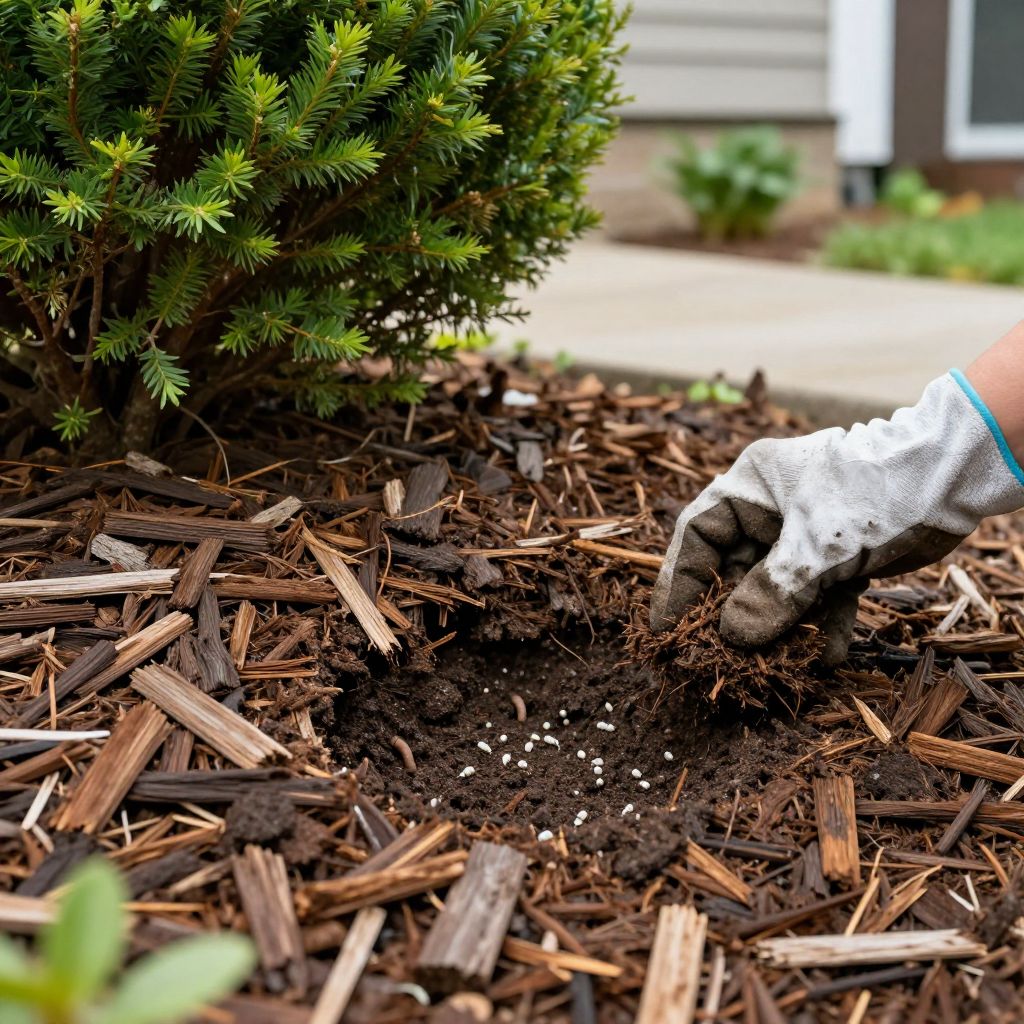
Does mulch attract termites? It can, but mulch itself is not the real problem. Termites are drawn to moisture, shelter, and nearby wood, so thick, damp mulch placed against a foundation can create conditions they like. Used correctly, mulch is still a valuable garden material that supports soil health and plant growth.
The key is learning how to mulch in a way that protects your landscape without inviting pest problems. With the right material, depth, and placement, you can keep beds healthy and reduce the chance of termite activity near your home.
Does mulch attract termites?
Mulch does not magically create termites, but it can provide the moist, sheltered environment termites prefer. The risk is highest when mulch is piled deeply, kept constantly wet, or pushed against wood siding, posts, or foundation edges. Proper spacing, drainage, and regular inspection greatly reduce that risk.
Why termites may show up near mulch
Termites feed on cellulose, which is found in wood and other plant material. Many mulches come from bark, wood chips, or shredded branches, so they can be part of a termite-friendly environment if conditions stay damp and undisturbed.
What termites are really looking for
- Moisture from irrigation, rain splash, or poor drainage
- Cover that keeps them hidden from light and predators
- Wood contact near siding, framing, fence posts, or tree roots
- Quiet, undisturbed areas where colonies can expand
That means the problem is usually not mulch alone. It is the combination of mulch, excess moisture, and nearby structural wood.
Which mulches are more likely to cause concern?
Any organic mulch can be part of a termite-friendly setting if it stays wet enough, but some materials are more likely to raise concern because they resemble food or hold moisture well. The material matters less than how you use it.
Common mulch types
- Wood chips and bark mulch — popular and effective, but should be kept away from structures
- Shredded bark — can mat together and hold moisture if applied too thickly
- Compost — excellent for soil, but often too rich and moisture-retentive for direct contact with foundations
- Pine straw — lighter and airier, though still best kept out of direct contact with wood surfaces
- Inorganic mulch such as gravel or stone — does not feed termites, but can still trap heat or moisture if drainage is poor
If you already live in an area with termite pressure, the safest approach is not to avoid mulch entirely. Instead, manage depth, distance, and moisture carefully.
How to mulch without attracting termites
A well-mulched bed can be safe and attractive when you follow a few basic rules. The goal is to keep mulch where plants need it, not where your house does.
Best practices for outdoor beds
- Keep mulch 6 to 12 inches away from foundations, siding, and wooden trim.
- Use a shallow layer, usually 2 to 3 inches deep. More than that can hold too much moisture and reduce airflow.
- Do not bury tree trunks, shrub stems, or fence posts in mulch.
- Leave visible inspection space so you can spot mud tubes, wood damage, or damp areas.
- Water plants at the root zone instead of soaking the entire bed and mulch surface.
- Refresh mulch only when needed, and break up compacted layers so they do not become a wet mat.
For beds near the house, many gardeners use a narrow buffer zone of bare soil, gravel, or low groundcover close to the wall so the mulch does not touch the structure.
Drainage matters as much as mulch depth
Poor drainage is a bigger termite invitation than mulch alone. If water pools near your foundation, downspouts dump in one spot, or irrigation oversprays the bed, termites are more likely to investigate.
- Extend downspouts away from the house.
- Fix low spots where water collects.
- Check that beds slope gently away from structures.
- Avoid heavy mulch in areas that stay soggy after rain.
Signs mulch may be creating a termite-friendly area
Mulch problems often show up gradually. If you catch them early, you can adjust the bed before termites become a bigger issue.
Watch for these warning signs
- Mulch that stays wet for days after rain
- A sour, swampy smell from decomposing layers
- Wood touching soil or mulch near the house
- Mud tubes on foundation walls, piers, or nearby masonry
- Soft, hollow, or damaged wood around decks, steps, or trim
- Swarming winged insects near the home, especially in warm seasons
If you see signs of termite activity, do not simply rake the mulch back and hope for the best. Check the area carefully and consider professional pest inspection if the signs are near your home’s structure.
Should you stop using mulch if you have termites nearby?
Not necessarily. Mulch is still useful for weed control, moisture retention, and soil improvement. The better solution is to use it strategically and keep it from creating the damp, hidden conditions termites prefer.
When mulch is still a good choice
- Flower beds away from the house
- Vegetable gardens where mulch helps reduce evaporation
- Tree rings that are not piled against the trunk
- Landscape beds with good drainage and routine maintenance
When to reconsider mulch placement
- Right against foundations or wooden steps
- In beds that stay wet and shaded for long periods
- Where old mulch has already compacted into a thick layer
- Near known termite damage or active infestation
In high-risk areas, you may choose a non-wood mulch near the house and reserve organic mulch for farther-out planting beds.
Garden care tips that reduce termite risk
Good landscape maintenance does more than keep beds tidy. It removes the conditions termites use to move in unnoticed.
Simple seasonal maintenance
- Inspect mulch after heavy rain or irrigation changes.
- Rake compacted mulch so air can move through it.
- Remove fallen branches, stumps, and buried wood scraps.
- Trim plants so they do not trap moisture against walls.
- Check for leaks from hoses, spigots, and drip lines.
- Replace decayed landscape timbers if they are soft or in contact with soil.
In humid climates, you may need to be more cautious with mulch depth and watering. In dry climates, mulch is still helpful, but avoid overwatering just to keep the bed looking evenly moist.
Common mulch mistakes to avoid
Most termite concerns come from a few avoidable habits. Fixing these can make a big difference in both plant health and pest prevention.
- “Volcano mulching” around trees and shrubs, which traps moisture and can rot bark
- Applying mulch too deeply, especially in shaded beds
- Letting mulch touch siding, posts, or door thresholds
- Ignoring drainage problems under the bed
- Using fresh mulch to cover old, decomposed layers without checking for pests
- Leaving buried cardboard, lumber, or root pieces under the mulch
If you are building a new bed, start with clean soil and remove construction debris. Hidden wood scraps can attract termites more reliably than mulch itself.
What to do if you suspect termites in a mulched area
If you think termites may be active, move carefully and avoid disturbing the area too much until you know what you are dealing with. You want to confirm the problem, not spread it.
- Look for mud tubes, damaged wood, or swarming insects near the bed and foundation.
- Check whether mulch is touching the house or piled too deeply.
- Reduce excess moisture by fixing leaks and improving drainage.
- Pull mulch back from the structure to create a visible inspection strip.
- Contact a pest professional if you find signs of structural termite activity.
Do not rely on mulch removal alone as a termite treatment. If termites are already in the structure, the infestation needs proper identification and control.
The bottom line for gardeners
So, does mulch attract termites? It can contribute to the conditions termites like, but it is not the sole cause. The real risk comes from deep, wet mulch placed too close to wood and foundations. Use mulch thoughtfully, keep it shallow, and maintain good drainage to protect both your plants and your home.
If you want to go further, consider reading more about healthy bed maintenance, soil moisture management, and safe landscape edging before your next mulching project.