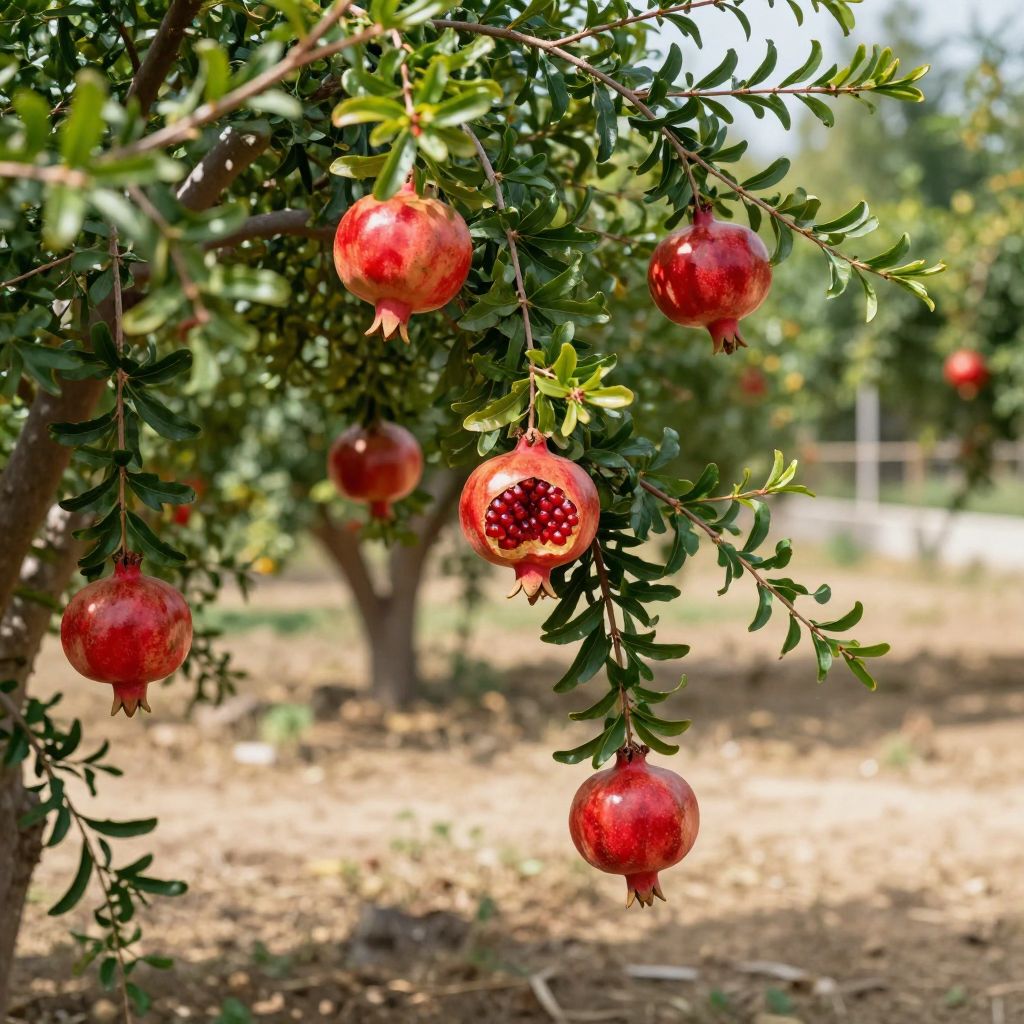
Are pomegranates in season? Usually, yes—but the exact window depends on where you live and whether you’re buying fruit or harvesting from your own tree. In many warm climates, pomegranates ripen from late summer into fall, and some hold on the tree into early winter if weather stays mild.
If you grow pomegranates at home, the “season” is really about fruit maturity, not just the calendar. A healthy tree, plenty of sun, and dry conditions near harvest all affect when the fruit is ready and how good it tastes.
Are pomegranates in season?
Pomegranates are typically in season from late summer through fall, with harvest timing varying by climate, cultivar, and local weather. In warm, dry regions, fruit often ripens between August and November. Look for deep color, a slightly squared shape, and a metallic sound when tapped to judge readiness.
When pomegranates ripen
Pomegranate trees (Punica granatum) are deciduous in many climates and set fruit during the warm months. The fruit usually needs a long, hot growing season to mature properly, so timing can shift by several weeks from one garden to another.
What affects harvest season?
- Climate: Hotter summers often bring earlier ripening.
- Variety: Some cultivars mature earlier than others.
- Tree age: Young trees may flower but produce less reliable fruit.
- Sun exposure: More sun usually means better color and sweetness.
- Watering pattern: Heavy late-season watering can delay ripening or reduce flavor.
If you are shopping for fruit, pomegranates are often most available in markets during autumn. If you are growing them, your local harvest may begin earlier or later depending on whether your area has a long, hot summer or a shorter warm season.
How to tell if pomegranates are ready to pick
Don’t rely on color alone. Some pomegranates turn red before they are fully ripe, while others stay more pink, yellow, or bronze depending on the variety. Use several signs together for the best harvest timing.
Ripeness checklist
- Fruit has developed full size for the variety.
- The skin looks firm and slightly matte, not glossy.
- The shape may become a little angular or flattened at the sides.
- The fruit makes a more metallic sound when tapped.
- The stem begins to dry and the fruit separates more easily.
Important: Pomegranates do not continue to ripen much after picking, so harvest only when they are truly mature.
Common harvest mistake
One of the biggest mistakes is picking too early because the skin looks colorful. An immature pomegranate may be sour, pale, and less juicy. If you are unsure, leave a few fruits on the tree and check them again in a week.
Growing conditions that help pomegranates ripen on time
Good fruiting starts with the right site. Pomegranates perform best in full sun, well-drained soil, and a warm location protected from harsh, cold winds. In cooler climates, they may grow well as ornamental shrubs but produce less dependable harvests.
Sunlight
Give pomegranates at least 6 to 8 hours of direct sun daily. More sun generally improves flowering, fruit set, and sugar development.
Soil and drainage
Pomegranates tolerate a range of soils, but they dislike waterlogged roots. Loamy soil is ideal, though they can grow in sandy or clay-based soil if drainage is improved.
- Work in compost to improve structure and moisture balance.
- Avoid planting where water pools after rain.
- Raised beds can help in heavy soil.
Watering
Young trees need regular moisture while they establish, but mature trees are fairly drought-tolerant. Even so, fruit quality is better with consistent watering during flowering and early fruit development.
As harvest approaches, avoid sudden swings from very dry soil to heavy watering. That pattern can contribute to fruit splitting, especially after dry spells followed by rain or irrigation.
Planting and care basics for home gardeners
If you want reliable fruit, plant pomegranates where they can stay for years. They can be grown as small trees or large shrubs, and they respond well to thoughtful pruning and steady care.
Planting tips
- Choose a sunny, open site with room for air circulation.
- Set the plant at the same depth it was growing in the nursery pot.
- Water deeply after planting to settle the soil.
- Mulch lightly, keeping mulch a few inches away from the trunk.
Pruning
Prune in late winter or very early spring in most climates, before strong new growth begins. Remove dead, crossing, or crowded stems, and keep the center open enough for light and airflow.
Because fruit forms on new growth in many cases, pruning too aggressively can reduce the next season’s crop. Aim for shape and structure, not a hard cutback every year.
Feeding
Moderate feeding is usually enough. Too much nitrogen can push leafy growth at the expense of flowers and fruit. Compost and a balanced soil approach are often better than heavy feeding, especially in fertile garden beds.
Why pomegranates may not be in season in your garden yet
If your tree flowers but the fruit never seems ready, the issue is often environmental rather than a lack of effort. Pomegranates need heat, sun, and patience to finish properly.
Common reasons for poor ripening
- Not enough heat: Cool summers can slow or prevent full ripening.
- Too much shade: Fruit may stay small and less sweet.
- Overwatering: Excess moisture can reduce flavor and increase splitting.
- Heavy pruning at the wrong time: This can remove fruiting wood.
- Young tree: A newly planted tree may need a few seasons before producing well.
If your climate is marginal, try growing pomegranates against a south- or west-facing wall, in the warmest part of the garden. That extra reflected heat can help fruit mature more reliably.
Pests and diseases that can affect the crop
Pomegranates are relatively tough, but they are not problem-free. Watch for issues that can weaken the tree or damage fruit before harvest.
Common pests
- Aphids: Can cluster on soft new growth and distort leaves.
- Scale insects: May appear as small bumps on stems.
- Mealybugs: Often hide in sheltered areas and weaken plants.
- Fruit borers or other local pests: May damage ripening fruit in some regions.
Common diseases
- Fruit splitting: Often linked to uneven watering or sudden rain.
- Fungal leaf spots: More likely where airflow is poor.
- Root problems: Usually tied to poorly drained soil.
Good sanitation helps a lot. Remove fallen fruit, thin crowded growth, and keep the area around the tree clean so pests and disease have fewer places to build up.
Harvesting and storing pomegranates
Once pomegranates are ready, harvest them carefully with clean pruners or garden snips. Cut the stem rather than pulling the fruit, which can damage the branch or the fruit itself.
Harvest steps
- Check fruit for maturity signs on several branches.
- Use clean, sharp pruners to cut the stem.
- Handle fruit gently to avoid cracking the skin.
- Sort out any damaged fruit for immediate use.
Store sound fruit in a cool, dry place with good airflow. Exact storage life depends on temperature and humidity, but cooler conditions generally help fruit keep longer than warm indoor storage.
Can you grow pomegranates outside the main season?
In cooler regions, pomegranates may still grow, but they may not ripen fully outdoors every year. If you garden in a short-season climate, choose the warmest microclimate you have and focus on early-ripening types if they are available locally.
Container growing can also help in borderline climates, because pots can be moved to a warmer, brighter location. Just remember that container plants dry out faster and need closer monitoring than in-ground trees.
Tools and maintenance that make the job easier
You do not need a lot of specialized equipment to grow pomegranates well. A few basic tools make pruning, watering, and harvest cleaner and easier.
- Bypass pruners for trimming stems and harvesting fruit
- Gloves for handling branches and thorny growth
- Mulch to conserve moisture and suppress weeds
- Soaker hose or drip irrigation for even watering
- Garden fork or spade for improving planting areas
Conclusion
So, are pomegranates in season? In most warm climates, yes—from late summer into fall, with the best harvest timing based on the fruit’s maturity, not the calendar alone. If you grow them, give your tree full sun, well-drained soil, and steady care, then check ripeness signs before picking. For more on fruiting shrubs and trees, explore related gardening guides on pruning and seasonal care.