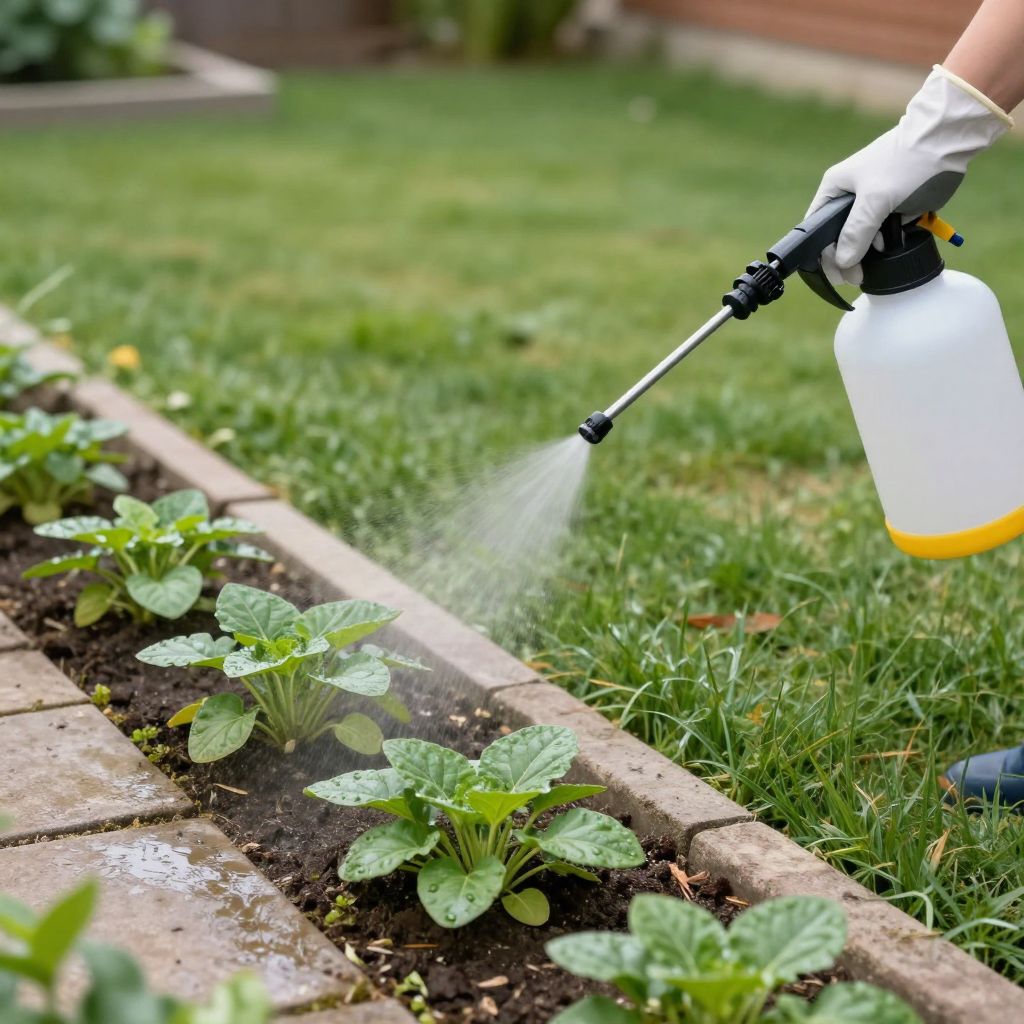
Wondering when is the best time to spray weed killer? Timing matters as much as the product itself, because weeds respond differently in spring, summer, and fall. Spray at the wrong time and you may waste product, miss the weed’s active growth stage, or damage nearby plants.
The best time depends on the weed type, weather, and what you’re trying to control. In general, spray when weeds are actively growing, temperatures are mild, and rain is not expected for several hours so the herbicide can be absorbed properly.
When is the best time to spray weed killer?
The best time to spray weed killer is usually on a calm, dry day when weeds are actively growing and temperatures are moderate, often in spring or early fall. For most products, aim for a period without rain for at least several hours, and avoid spraying during heat stress, drought, or windy conditions.
Why timing matters so much
Weed killers work best when the plant is moving water and nutrients through its leaves and stems. That active growth helps the product reach the parts of the weed that need to be controlled.
If weeds are stressed by heat, cold, drought, or mowing, they may not absorb the spray well. That can lead to poor results and, in some cases, repeated applications that are less effective and more likely to drift onto desirable plants.
Spray when weeds are growing, not struggling
- Good timing: green, actively growing weeds
- Poor timing: wilted, drought-stressed, frost-damaged, or recently mowed weeds
- Best conditions: mild temperatures, little wind, and dry foliage
Seasonal timing: spring, summer, and fall
There is no single perfect date, because local climate changes everything. Still, seasonal patterns can help you choose the right window.
Spring
Spring is often one of the best times to spray broadleaf weeds and young annual weeds because they are actively growing and easier to control. Early spring can also be a good time to treat perennial weeds before they become well established.
Wait until the weeds have enough leaf surface to absorb the spray. Tiny seedlings can be treated, but very small weeds may be harder to target accurately.
Summer
Summer can work well if weeds are still actively growing, but hot weather makes spraying trickier. High temperatures can increase the risk of drift, evaporation, and plant stress.
If you spray in summer, choose a cooler part of the day and avoid applications during heat waves. Many gardeners find early morning or late afternoon more practical than midday.
Fall
Fall is often an excellent time to spray perennial weeds because plants are storing energy in their roots. That can improve control for systemic weed killers that move through the plant.
Fall spraying is especially useful for tough perennial weeds in lawns, driveways, and landscape beds, as long as the weeds are still green and growing before frost slows them down.
Best weather conditions for spraying weed killer
Weather has a major effect on how well weed killer works. Even the right product can underperform if conditions are poor.
- Wind: spray only when wind is light to reduce drift onto flowers, shrubs, vegetables, or turf you want to keep
- Rain: check the label for rainfast time; many products need several dry hours after application
- Temperature: moderate temperatures are usually safer and more effective than extreme heat or cold
- Moisture: weeds should be dry on the surface unless the product label says otherwise
Do not spray right before a storm, during gusty conditions, or when dew is so heavy that the product may run off the leaves.
Morning or afternoon?
Many gardeners spray in the morning after dew has dried or in the late afternoon when temperatures are lower. The best choice depends on your local weather.
What matters most is dry foliage, low wind, and enough time before rain or irrigation.
How to match the spray to the weed type
Different weeds need different approaches. Knowing whether you are dealing with annual weeds, perennial weeds, grasses, or broadleaf weeds helps you choose the right timing and product.
Annual weeds
Annual weeds are usually easiest to control when young. Spray them before they flower and set seed, especially in spring and early summer.
Perennial weeds
Perennial weeds often regrow from roots, rhizomes, or crowns. For these, timing is especially important because a single spray may not solve the problem if the plant is dormant or stressed.
Late summer through fall is often a strong window for perennial weed control, provided the plant is still actively moving nutrients.
Grassy weeds and broadleaf weeds
Some weed killers are selective and target either grassy weeds or broadleaf weeds. Others are non-selective and can injure or kill most green plants they touch.
Always read the label so you know whether the product is safe for lawns, beds, paths, or around ornamentals.
How to spray weed killer correctly
Good timing helps, but application technique matters too. A careful spray is often more effective than a heavier one.
- Identify the weed and confirm the product is labeled for that use.
- Check the weather forecast for wind and rain.
- Make sure the weed is actively growing and not stressed.
- Apply only to the target plant or area.
- Keep children, pets, and desirable plants away until the product has dried or as directed on the label.
For spot treatments, aim for even coverage on the leaves without soaking the ground. Overspraying does not improve results and can increase the chance of damage.
Common mistakes to avoid
Many weed-control failures come from simple timing or handling errors. Avoiding these can save time and protect your garden.
- Spraying on a windy day: drift can damage nearby plants
- Spraying drought-stressed weeds: uptake is often poor
- Cutting or mowing too soon before spraying: less leaf area means less absorption
- Spraying right before rain: the product may wash off
- Using the wrong product for the weed type: selective and non-selective herbicides are not interchangeable
- Applying too late in the season: frost can slow growth and reduce effectiveness
When not to spray weed killer
There are times when it is better to wait. Spraying during the wrong conditions can reduce control and increase the chance of harm to nearby plants.
- During high heat or drought stress
- When weeds are dormant or frost-damaged
- When rain is expected before the product has time to work
- When wind is strong enough to move spray off target
- When desirable plants are too close to protect safely
If weeds are growing in a crowded bed, consider hand-pulling, mulching, edging, or using a shielded applicator instead of spraying broadly.
How to improve results after spraying
After application, give the product time to work. Many weed killers need days, not hours, to show visible effects.
Avoid mowing, cutting, or disturbing the treated weeds too soon unless the label says it is safe. For perennial weeds, follow-up treatment may be needed if regrowth appears.
Support long-term weed control
- Mulch bare soil to block new weed germination
- Keep lawn grass dense and healthy so weeds have less room to establish
- Repair thin areas in turf or beds where weeds keep returning
- Remove weeds before they flower and seed
Special note for lawns, beds, and hardscapes
The best time to spray weed killer can also depend on where the weeds are growing. A lawn, ornamental bed, gravel path, and patio crack all need different handling.
In lawns
Use only products labeled for the turfgrass you have. Many lawn weeds are easiest to treat when the grass is actively growing and not heat-stressed.
In garden beds
Be extra careful around perennials, shrubs, and annual flowers. Non-selective weed killers can injure anything green they touch, so spot spraying or shielded application is often safer.
On driveways and paths
Weeds growing in cracks or gravel often respond well to spot treatment because there is less risk to desirable plants. Still, avoid spraying on windy days and keep runoff away from nearby soil and roots.
A simple rule of thumb
If you want the shortest answer to when is the best time to spray weed killer, use this: spray when weeds are actively growing, the weather is calm and dry, and the product label’s rain-free window can be met. For many gardens, that means spring or fall is better than extreme summer or dormant winter conditions.
If you want to improve your results even more, pair good timing with the right product for the weed type and the right application method for the site. For more practical garden maintenance tips, you may also find related reading on mulching to prevent weeds and how to identify common lawn weeds.