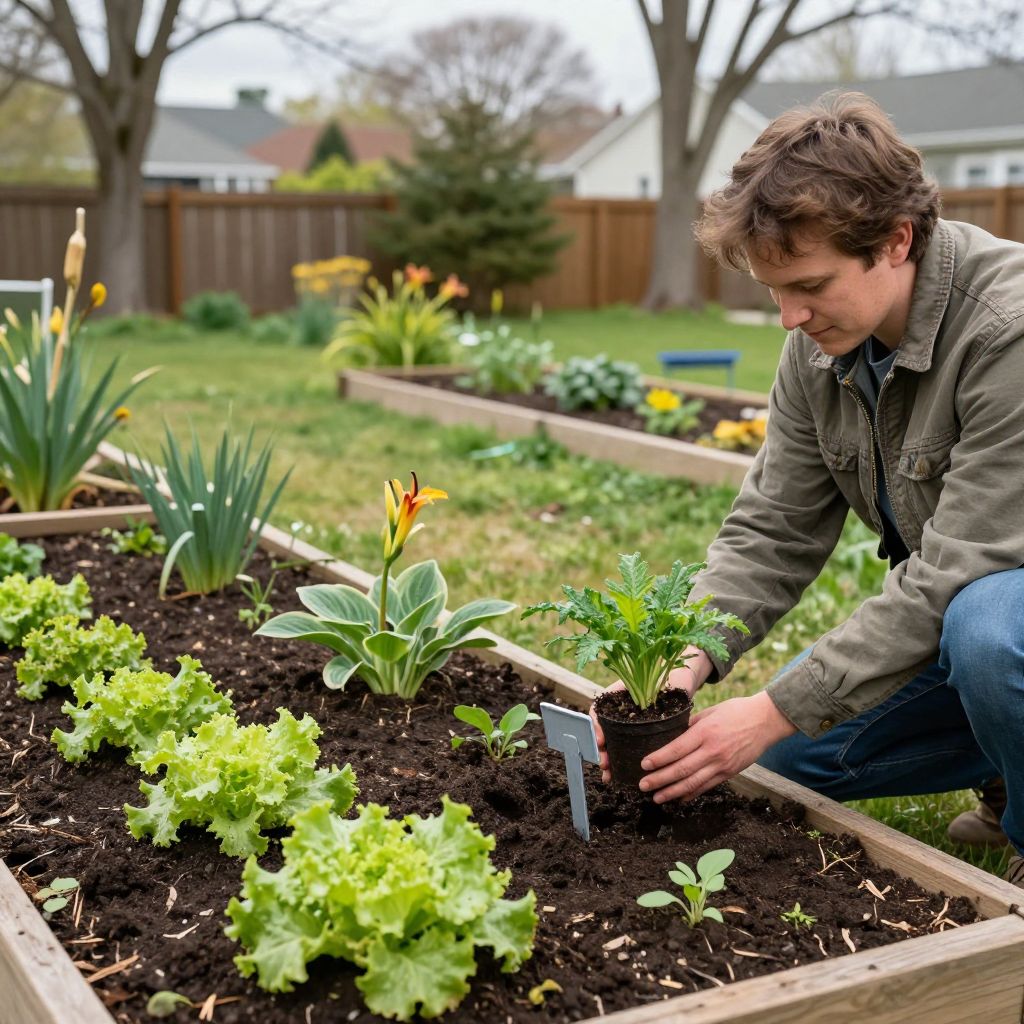
Wondering what planting zone is Ohio? The short answer is that Ohio spans several USDA hardiness zones, roughly from zone 5b in the colder north and east to zone 6b in the warmer south and southwest, with small local variations. That means the best plants for your yard depend on exactly where you live, plus your soil, sun, and drainage.
Knowing your zone helps you choose trees, shrubs, perennials, and bulbs that can survive winter and return reliably in spring. It also helps you time planting and protect tender plants from late frosts, winter wind, and freeze-thaw damage.
What planting zone is Ohio?
Ohio is mostly in USDA hardiness zones 5b to 6b. Northern and higher-elevation areas are generally colder, while southern and urban heat-island areas are a bit warmer. Your exact yard may differ by a half zone or more, so use the map as a starting point, then factor in microclimates and site conditions.
Why Ohio’s zone can vary from yard to yard
Hardiness zones are based on average winter minimum temperatures, not summer heat, rainfall, or soil quality. That means two gardens in the same county can perform differently if one is sheltered and one is exposed to wind.
Common microclimates in Ohio
- Urban areas often stay slightly warmer than surrounding suburbs or rural land.
- South-facing walls can create a warmer pocket for less hardy plants.
- Low spots can collect cold air and frost, even in a generally warmer zone.
- Lake-effect and open windy sites may feel harsher than the map suggests.
If you garden in a sheltered courtyard, you may be able to grow plants that are borderline for your official zone. If your yard is exposed, choose plants rated one half-zone hardier than your area when possible.
How to use Ohio’s planting zone when choosing plants
Use the zone rating as a winter survival guide, then match the plant to your light, soil, and moisture conditions. A plant that is hardy in Ohio may still struggle if your site is too wet, too dry, or too shady.
What to look for on plant tags
- USDA zone range to confirm winter hardiness.
- Sun needs such as full sun, part sun, or shade.
- Moisture preference for well-drained, average, or moist soil.
- Mature size so the plant fits the space long term.
For example, a perennial labeled for zones 4–8 should generally do well in most of Ohio, but it still needs the right soil and light. A plant rated for zone 7 may survive in the warmest parts of southern Ohio only if the site is protected.
Best planting times in Ohio
Ohio gardeners usually have two main planting windows: spring after the soil warms and early fall while roots can still establish. Exact timing depends on your region, weather, and the plant type.
General seasonal guidance
- Spring: Good for starting annuals, vegetables, and many perennials once frost risk drops.
- Summer: Best for established plants only, unless you can water consistently.
- Fall: Excellent for trees, shrubs, bulbs, and many perennials because cooler air reduces stress.
- Winter: Avoid planting unless the ground is workable and the plant is specifically suited to dormant planting.
In Ohio, spring frosts can still happen after warm spells, so do not rush tender plants outside too early. For fall planting, give roots enough time to settle before the ground freezes.
Soil and drainage in Ohio gardens
Ohio soils vary widely. Some gardens have heavy clay that holds water, while others have loam or sandy soil that drains quickly. The zone tells you winter cold, but soil texture and drainage often decide whether a plant thrives.
Improve soil before planting
- Dig a small test hole and check how fast water drains.
- Mix in compost to improve structure and organic matter.
- Break up compacted soil, especially in new beds.
- Avoid overworking wet clay, which can create clods and compaction.
If water sits in a hole for hours, choose plants that tolerate wet feet or build a raised bed. If soil dries out too fast, compost and mulch can help it hold moisture longer.
Drainage problems to watch for
- Yellowing leaves on plants that prefer well-drained soil
- Root rot in perennials, shrubs, or bulbs
- Mossy, soggy patches that stay wet after rain
- Plants that decline even when you water carefully
What to plant in Ohio by zone
Once you know your zone, you can narrow plant choices. Ohio’s climate supports a wide range of ornamentals, edibles, and landscape plants, but the best selections are those matched to your exact site conditions.
Perennials and shrubs
Many classic Ohio landscape plants are hardy in zones 5 and 6. Look for perennials and shrubs that fit your sun exposure and soil moisture rather than choosing by hardiness alone.
- Sun perennials for borders and pollinators
- Shade perennials for under trees or on north sides of buildings
- Deciduous shrubs for hedges, foundation plantings, and habitat
- Native plants when you want lower-maintenance, climate-adapted options
Vegetables and annuals
Ohio’s growing season is long enough for a wide range of vegetables, but frost dates vary by location. Cool-season crops like lettuce, spinach, peas, and radishes can be planted earlier than heat-loving crops such as tomatoes, peppers, and basil.
Annual flowers are not limited by hardiness zone in the same way perennials are, but they still need to be planted after frost danger passes.
Bulbs and spring bloomers
Many spring bulbs perform well in Ohio because they need winter cold to bloom properly. Plant them in fall so roots can form before winter, and choose a site with good drainage to prevent rot.
Planting tips for Ohio gardeners
Successful planting in Ohio is less about following a calendar and more about reading your weather, soil, and plant type. A few practical habits can greatly improve survival and growth.
Step-by-step planting basics
- Choose a plant rated for your zone or one half-zone colder.
- Pick the right site for sun, shade, and drainage.
- Loosen soil and add compost if needed.
- Set the plant at the same depth it grew in the pot or nursery row.
- Water deeply after planting to settle the roots.
- Mulch around the plant, keeping mulch away from stems and trunks.
Do not bury the crown or trunk flare. Planting too deep is a common cause of decline in perennials, shrubs, and young trees.
Mulch and watering
A 2- to 3-inch layer of mulch helps moderate soil temperature, reduce weeds, and conserve moisture. Keep mulch a few inches away from stems and trunks to avoid rot and pest problems.
Water newly planted material more carefully than established plants. The goal is evenly moist soil, not constant saturation.
Common Ohio gardening problems and fixes
Even in the right zone, plants can struggle if the site is wrong or the weather turns extreme. Knowing the most common issues helps you respond before small problems become losses.
Late frosts
Ohio springs can be unpredictable. If frost is forecast, cover tender transplants with frost cloth, buckets, or lightweight fabric overnight, then uncover them in the morning.
Winter dieback
Plants near the edge of their hardiness range may die back to the ground or lose branches in winter. Choose hardier varieties, plant in a protected location, and avoid late-season fertilizing that pushes tender growth.
Wet feet and root rot
Clay soil and poor drainage are common trouble spots. Improve drainage, use raised beds, or choose moisture-tolerant plants for low areas.
Heat and drought stress
Hot, dry spells can stress even hardy plants. Water deeply during prolonged dry weather and mulch to slow evaporation. Newly planted trees and shrubs are especially vulnerable in their first year.
How to choose the right plants for your Ohio yard
The best plant is one that matches your zone, your soil, and your light. Start with a short list of plants that are hardy in your Ohio region, then narrow that list based on site conditions.
Quick selection checklist
- Is it hardy in your Ohio zone?
- Does it fit your sun or shade conditions?
- Can your soil drain well enough for it?
- Will it fit the mature height and width?
- Can you provide the needed water during establishment?
If you are unsure, choose reliable plants that are hardy a bit beyond your zone and well suited to your site. That approach usually gives better long-term results than trying to stretch the limits with borderline plants.
Pruning, maintenance, and seasonal care
Maintenance matters because Ohio weather can swing from wet to frozen to hot and dry. Light, timely care helps plants recover from winter and grow strongly through the season.
Seasonal care reminders
- Remove winter-damaged stems in spring after you can see what survived.
- Refresh mulch in spring or early summer if it has broken down.
- Deadhead spent flowers on many perennials and annuals to keep plants tidy.
- Prune shrubs according to bloom time, not just whenever you have time.
For flowering shrubs, pruning at the wrong time can remove next year’s buds. If you are unsure, identify whether the plant blooms on old wood or new wood before cutting.
When to get more local guidance
Because Ohio has regional differences in frost dates, snowfall, wind exposure, and soil type, local extension resources and nearby nurseries can be very helpful. They often know which plants perform best in your county or neighborhood.
If you want to go deeper, look for local guidance on soil testing, native plants, and seasonal planting calendars. You can also compare your yard’s conditions with broader zone information in a regional planting guide such as Ohio State University Extension for practical, Ohio-specific advice.
Now that you know what planting zone Ohio is, check your exact USDA zone, assess your soil and drainage, and choose plants that match your site. A good plant in the right place will always outperform a marginal plant forced into the wrong conditions.