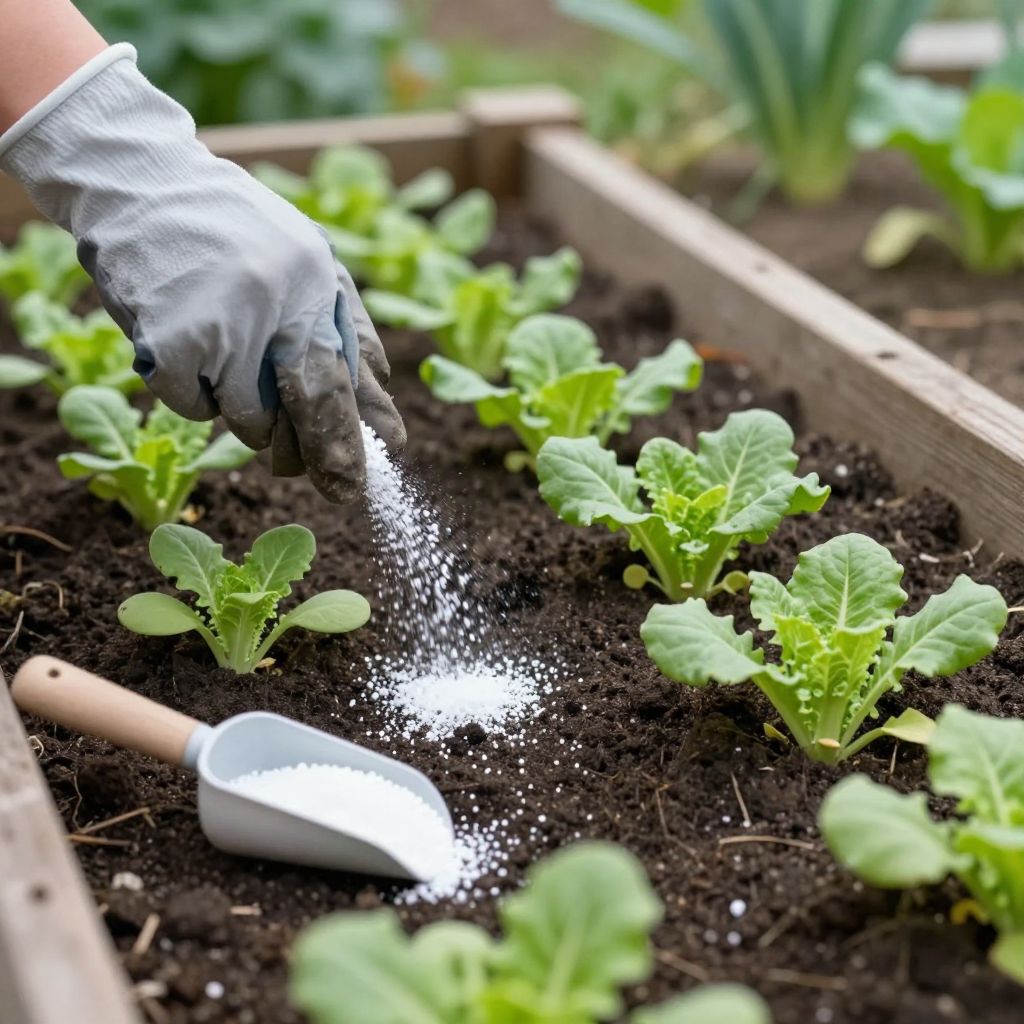
What is urea fertilizer, and should you use it in your garden? Urea is a concentrated nitrogen fertilizer that can help leafy plants grow vigorously when used correctly. It is useful, but it is also easy to overapply, so understanding how it works matters.
If you garden vegetables, lawns, shrubs, or container plants, urea can be a practical tool. The key is knowing when it helps, when it does not, and how to avoid burning plants or wasting nutrients.
What is urea fertilizer?
Urea fertilizer is a synthetic, high-nitrogen fertilizer made from urea, a compound that quickly supplies nitrogen to plants after soil microbes convert it into ammonium and then nitrate. It is typically sold as small white prills or granules and is best used when plants need strong leafy growth, not when they need flowers, fruit, or root development.
What urea looks like and how to identify it
In the garden center, urea usually appears as small, round, white or off-white granules. The bag may list a fertilizer analysis of 46-0-0, which means it contains 46% nitrogen and no phosphorus or potassium.
Common identification clues
- High nitrogen content: often labeled 46-0-0.
- Granular or prilled form: looks like tiny white beads.
- Fast-acting nitrogen source: useful for correcting nitrogen deficiency.
- No visible organic matter: unlike compost or manure, it is a manufactured fertilizer.
Do not confuse urea fertilizer with mixed lawn fertilizers or slow-release products. Always read the label, because some products contain coatings, stabilizers, or other nutrients that change how they behave in soil.
How urea works in soil
Urea itself is not the final form plants use. Soil microbes break it down into ammonium, and then other microbes convert it to nitrate, which many plants absorb readily. This means urea works best in active soil with some moisture and moderate temperatures.
What affects performance
- Soil moisture: dry soil slows conversion and increases loss to the air.
- Temperature: warm soil speeds microbial activity.
- Soil contact: fertilizer sitting on the surface is more likely to be wasted.
- pH and conditions: alkaline conditions can increase nitrogen loss.
Because urea is so concentrated, a little goes a long way. That is helpful for efficiency, but it also means mistakes show up quickly as fertilizer burn, overly lush growth, or nutrient runoff.
When to use urea in the garden
Use urea when a plant needs nitrogen to support leafy growth and your soil is otherwise lacking. It is commonly used for lawns, corn, brassicas, leafy greens, and some ornamental foliage plants. It is less useful for flowering and fruiting plants if your soil already has enough nitrogen.
Good uses
- Lawns showing pale color and slow growth from nitrogen deficiency
- Vegetables that need strong leaf production, such as lettuce or kale
- Heavy feeders growing in nutrient-poor soil
- Situations where a small amount of fertilizer is needed in a compact form
When to avoid it
- Before or during flowering if excess leaf growth is a problem
- On drought-stressed plants
- On seedlings or newly transplanted plants unless a label specifically supports it
- When a soil test shows nitrogen is already adequate
If your plant is yellowing, do not assume it always needs urea. Yellow leaves can also result from poor drainage, root damage, compacted soil, cold weather, or other nutrient problems.
How to apply urea fertilizer safely
The safest approach is to follow the product label and base your application on a soil test whenever possible. If you are unsure, start conservatively, because urea acts quickly and excess nitrogen is hard to undo.
Step-by-step application guide
- Check the label. Confirm the product is plain urea or a urea-based fertilizer and note any special instructions.
- Water first if soil is dry. Moist soil helps reduce root stress and improves nutrient movement.
- Apply evenly. Scatter granules uniformly rather than dumping them in one spot.
- Keep fertilizer off leaves and stems. Direct contact can scorch tender tissue.
- Water it in lightly. This helps move nitrogen into the root zone and reduces surface loss.
- Recheck plant response. Watch for greener growth over the following days or weeks, depending on conditions.
Important safety tips
- Do not apply right before heavy rain, or nutrients may wash away.
- Do not overapply to containers, where salts build up faster.
- Keep fertilizer away from seeds unless the product is labeled for that use.
- Store it dry and sealed, because moisture can cause clumping.
For lawns and beds, even distribution matters more than a heavy dose. Uneven spreading can create dark green streaks in one area and burned patches in another.
Urea fertilizer for lawns
Lawns often respond quickly to nitrogen, so urea is a common lawn fertilizer ingredient. It can improve color and growth, but too much nitrogen can cause rapid top growth that needs more mowing and may increase disease pressure in some lawns.
Best practices for turf
- Apply during active growth, not during drought or dormancy.
- Water in after application unless rainfall is imminent and moderate.
- Use a spreader for even coverage.
- Avoid fertilizing stressed turf, especially during heat waves.
If your lawn is thin because of shade, compaction, or poor drainage, fertilizer alone will not fix it. Address the underlying problem first, or the grass may stay weak despite added nitrogen.
Urea fertilizer for vegetables and ornamentals
Leafy crops and foliage plants can benefit from urea because nitrogen supports chlorophyll and vegetative growth. Still, many garden plants do not need much nitrogen once they are established, especially if the soil is already rich in compost or manure.
Vegetables that may respond well
- Lettuce
- Spinach
- Kale
- Brassicas such as cabbage and broccoli
- Corn, in soils that are low in nitrogen
Plants that often need caution
- Tomatoes and peppers, if nitrogen is excessive
- Beans and peas, which fix their own nitrogen
- Flowering shrubs, where too much nitrogen can reduce blooms
- Woodland and native plants adapted to lean soils
For flowering and fruiting plants, too much nitrogen can push leafy growth at the expense of blossoms and fruit. If your goal is flowers or harvest quality, balance matters more than maximum green growth.
Common mistakes with urea fertilizer
The biggest problem with urea is not the product itself, but how it is used. Because it is concentrated, small errors can create visible plant stress.
Mistakes to avoid
- Applying too much: this can burn roots and leaves.
- Leaving it on dry soil: nitrogen can be lost before plants use it.
- Using it on stressed plants: drought, heat, or root damage increases risk.
- Ignoring soil tests: you may be adding nitrogen the soil does not need.
- Expecting it to fix all yellowing: some yellowing is not a nitrogen issue.
Signs you may have overapplied
- Leaf tips or edges turn brown and crispy
- Plants look suddenly wilted despite moist soil
- Very dark green, soft growth appears quickly
- Seedlings or roots seem damaged after feeding
If overapplication is mild, deep watering may help move excess fertilizer away from the root zone. If damage is severe, remove visible granules if possible and avoid adding more fertilizer until the plant recovers.
Soil, compost, and drainage considerations
Urea works best as part of a broader soil-care plan. Healthy soil with good structure, steady moisture, and active biology uses nitrogen more efficiently than compacted or waterlogged soil.
How soil conditions change the result
- Well-drained soil: supports root health and nutrient uptake.
- Compacted soil: limits roots and reduces fertilizer efficiency.
- Very sandy soil: may lose nitrogen faster through leaching.
- Heavy clay soil: may hold water too long and stress roots.
Compost can improve soil structure and nutrient retention, but it does not replace all fertilizer needs. In rich garden beds, compost plus a soil test may show that urea is unnecessary or only needed in small amounts.
Indoor containers versus outdoor beds
Container plants need extra caution because salts build up more quickly in pots than in garden soil. Outdoor beds have more buffering capacity, but they can still suffer from runoff or uneven application.
Container gardening tips
- Use a diluted or carefully measured approach.
- Make sure the pot has drainage holes.
- Flush the container occasionally with clean water if salt buildup is suspected.
- Do not fertilize dry potting mix.
Outdoor gardening tips
- Apply when the soil is lightly moist.
- Water in after spreading granules.
- Keep fertilizer away from waterways and hard surfaces where runoff can occur.
Can urea be combined with other fertilizers?
Yes, but only when you understand what each product supplies. Urea adds nitrogen only, so it is often paired with phosphorus and potassium in balanced fertilizers or used alongside compost and other soil amendments.
Do not stack multiple high-nitrogen products unless you have a clear reason. More nitrogen is not always better, and excess can reduce root growth, delay flowering, and make plants more vulnerable to pests and disease.
Troubleshooting plant problems after using urea
If a plant looks worse after fertilizing, pause and assess the situation before adding anything else. The symptoms may come from fertilizer burn, poor watering, or an unrelated issue.
What to check first
- Was the soil dry when you applied it?
- Did granules touch leaves or stems?
- Was the dose too heavy for a pot or small bed?
- Is the plant actually showing nitrogen deficiency, or something else?
- Has drainage been poor or inconsistent?
If you are uncertain, a soil test is the most reliable next step. It helps you decide whether the issue is truly nitrogen shortage or whether another amendment would be more appropriate.
Conclusion
Urea fertilizer is a powerful, concentrated nitrogen source that can be very effective when your plants truly need leafy growth. Use it carefully, apply it evenly, and always consider soil moisture, plant type, and local growing conditions before feeding.
If you want to keep learning, read more about how to read fertilizer labels and how to improve garden soil with compost before your next feeding.