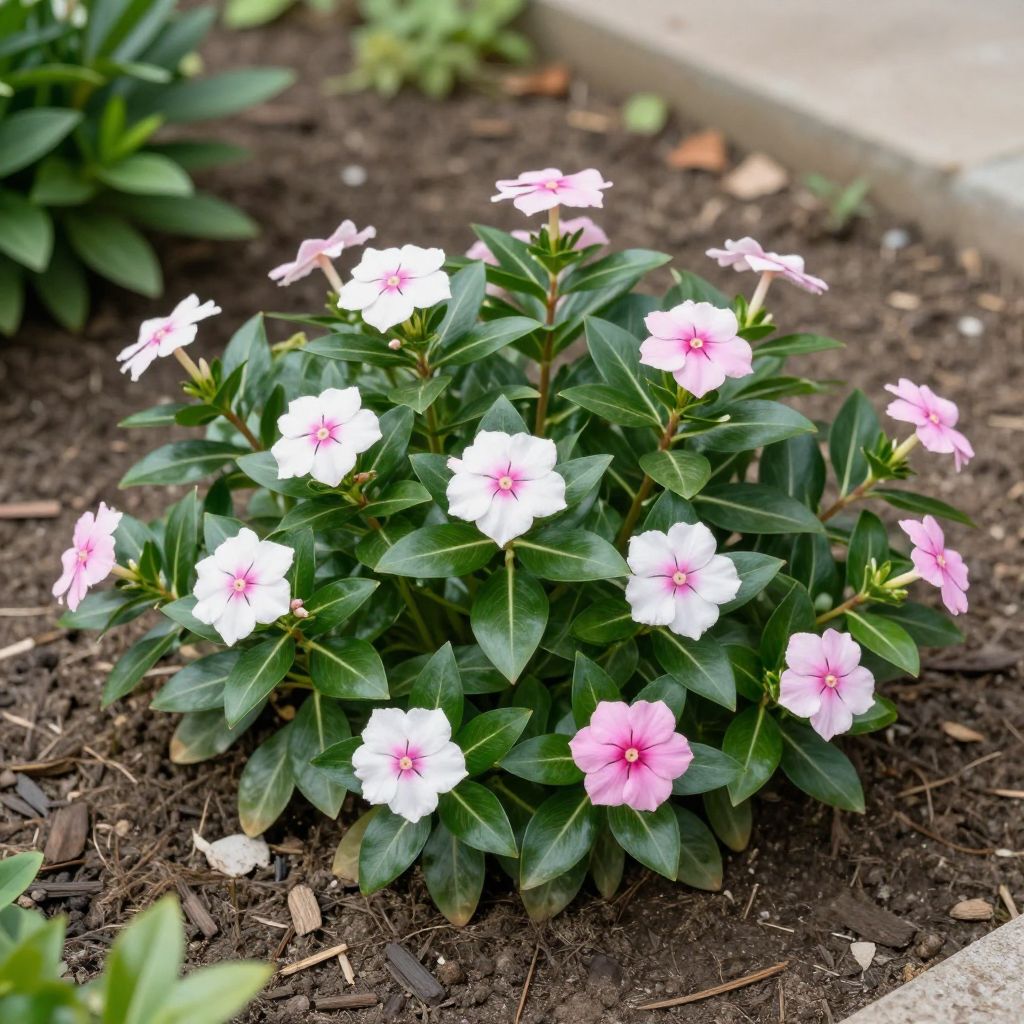
Are vincas perennials? It depends on which plant you mean, because “vinca” is used for two different garden plants. Some vincas are true perennials in the right climate, while others are grown as annuals in most gardens.
If you want to know whether your vinca will come back next year, the key is identifying the plant correctly and matching it to your USDA hardiness zone, soil, and winter conditions.
Are vincas perennials?
Yes, some vincas are perennials, but not all of them. Vinca minor and Vinca major are perennial groundcovers in many climates, while annual vinca, also called Madagascar periwinkle (Catharanthus roseus), is usually grown as a warm-season annual outdoors. The answer depends on the species and your winter temperatures.
Know which “vinca” you have
The most common source of confusion is that gardeners use “vinca” for two different plants. One is a hardy groundcover, and the other is a tender flowering bedding plant.
Hardy vinca: periwinkle groundcover
Vinca minor and Vinca major are evergreen or semi-evergreen groundcovers with trailing stems and small leaves. In suitable climates, they survive winter and return each year.
Annual vinca: Madagascar periwinkle
Catharanthus roseus is the bedding plant sold in flats for summer color. It loves heat and sun, but frost usually kills it, so it is treated as an annual in most regions.
How to tell if your vinca will come back
Start by checking the plant tag, nursery label, or flower form. If you still are not sure, look at the growth habit and how it behaves in cold weather.
- Small, spreading groundcover with glossy leaves and creeping stems: likely hardy vinca (Vinca minor or Vinca major).
- Upright bedding plant with bright pink, white, or red flowers and a mounded form: likely annual vinca (Catharanthus roseus).
- If frost causes quick blackening or collapse, it is probably the tender annual type.
- If it stays green through winter and spreads from stems, it is more likely a perennial groundcover.
Growing conditions for perennial vinca
Perennial vinca is fairly adaptable, but it performs best when you give it the right balance of light, moisture, and drainage. Good site selection matters more than fertilizer.
Sunlight
Hardy vinca grows in full sun to partial shade. In cooler climates, more sun usually encourages denser growth. In hotter regions, afternoon shade can help reduce stress and leaf scorch.
Soil
Well-drained soil is important. Vinca tolerates average garden soil, but it dislikes constantly wet ground, especially in winter. Loamy soil amended with compost is a good starting point.
Water
Water newly planted vinca regularly until established. After that, it is moderately drought-tolerant, but it still grows best with even moisture. Avoid soggy soil, which can lead to root problems.
Climate and hardiness
Hardy vinca is perennial only where winter cold does not damage it severely. Local microclimates matter too: sheltered beds, mulched roots, and good drainage can improve winter survival.
How to plant perennial vinca
Whether you are planting a new groundcover bed or filling a shady border, start with healthy plants and prepare the site well. Vinca spreads, so give it room and plan ahead.
- Choose a site with sun or partial shade and well-drained soil.
- Remove weeds and loosen the top 6 to 8 inches of soil.
- Mix in compost if the soil is poor or compacted, but do not overdo rich amendments.
- Plant at the same depth the plant was growing in its pot.
- Water thoroughly after planting to settle the soil.
- Mulch lightly to conserve moisture and reduce weeds, keeping mulch away from stems.
Avoid planting vinca in low spots that stay wet after rain. Poor drainage is one of the fastest ways to lose a perennial planting, especially in winter.
Care tips for healthy growth
Once established, perennial vinca is low-maintenance, but it still benefits from a little routine care. The goal is steady growth, not constant feeding or heavy watering.
Pruning and trimming
Trim back long, wandering stems if the plant becomes too leggy or starts to creep where you do not want it. Light pruning after flowering or in early spring can help shape the plant and encourage fuller growth.
Fertilizing
Vinca usually does not need heavy feeding. If your soil is poor, a light application of compost in spring is often enough. Too much nitrogen can push soft growth and reduce flowering.
Mulching
A thin layer of mulch helps protect roots, suppress weeds, and keep moisture more even. Keep mulch a few inches away from the crown to reduce rot risk.
How annual vinca differs in the garden
Annual vinca is grown for summer flowers, not winter survival. It can be a strong performer in heat, but it will not behave like a perennial in cold climates.
Best growing conditions for annual vinca
- Full sun for best flowering, though light shade is often tolerated in hot climates.
- Well-drained soil with moderate fertility.
- Even watering while plants are getting established.
- Good air circulation to help prevent disease.
Annual vinca often looks better when the soil is allowed to dry slightly between waterings. Overwatering can cause weak growth and disease problems.
Common problems and how to fix them
Most vinca problems come from too much moisture, poor site selection, or planting the wrong type for your climate. Catching issues early makes a big difference.
Yellowing leaves
Yellow leaves can signal overwatering, poor drainage, or nutrient stress. Check the soil first. If it feels wet for long periods, improve drainage before adding fertilizer.
Root rot
Root rot is a serious issue in wet soil. Plants may wilt even when the soil is moist, then decline rapidly. The best fix is prevention: plant in well-drained soil and avoid frequent shallow watering.
Leggy growth
Too much shade can make vinca stretch and flower less. Move annual vinca to a brighter spot next season, or trim back perennial vinca to encourage branching.
Pests
Vinca is usually not heavily bothered by pests, but aphids, spider mites, and occasional caterpillars can appear. Inspect new growth and undersides of leaves if plants look stressed.
Diseases
Fungal leaf spots and blights are more likely when plants are crowded or watered overhead. Space plants well and water at the base when possible.
Propagating vinca
If you want more plants, perennial vinca is easy to propagate from stem cuttings or by dividing established clumps where appropriate. Annual vinca is usually started from seed or purchased as transplants.
Stem cuttings for perennial vinca
- Take a healthy stem cutting with several nodes.
- Remove lower leaves.
- Place the cutting in moist potting mix or water until roots form.
- Transplant once roots are well developed.
For best results, take cuttings during active growth when stems are flexible and healthy.
Using vinca in the landscape
Perennial vinca works well as a groundcover under shrubs, on banks, and in areas where you want a low, spreading plant. It can help cover bare soil, but it should be managed carefully because it spreads.
Annual vinca is useful in containers, borders, and hot summer beds where you want long bloom time. It pairs well with other sun-loving annuals that enjoy similar drainage and heat.
What to do before winter
If you are growing hardy vinca, focus on keeping the plant healthy going into cold weather. Avoid late-season heavy fertilizing, since soft new growth can be more vulnerable to damage.
- Water deeply before the ground freezes if autumn is dry.
- Keep mulch light and airy rather than packed against stems.
- Remove diseased foliage to reduce overwintering problems.
- Do not assume annual vinca will return after frost.
Quick answer for gardeners
If you want a simple rule, remember this: hardy vinca is perennial in the right climate, but bedding vinca is usually annual. Check the botanical name, then match the plant to your local winter conditions and soil drainage.
If you want to keep learning, you may also find it helpful to read about groundcover plants for shade and sun and container plant care basics.