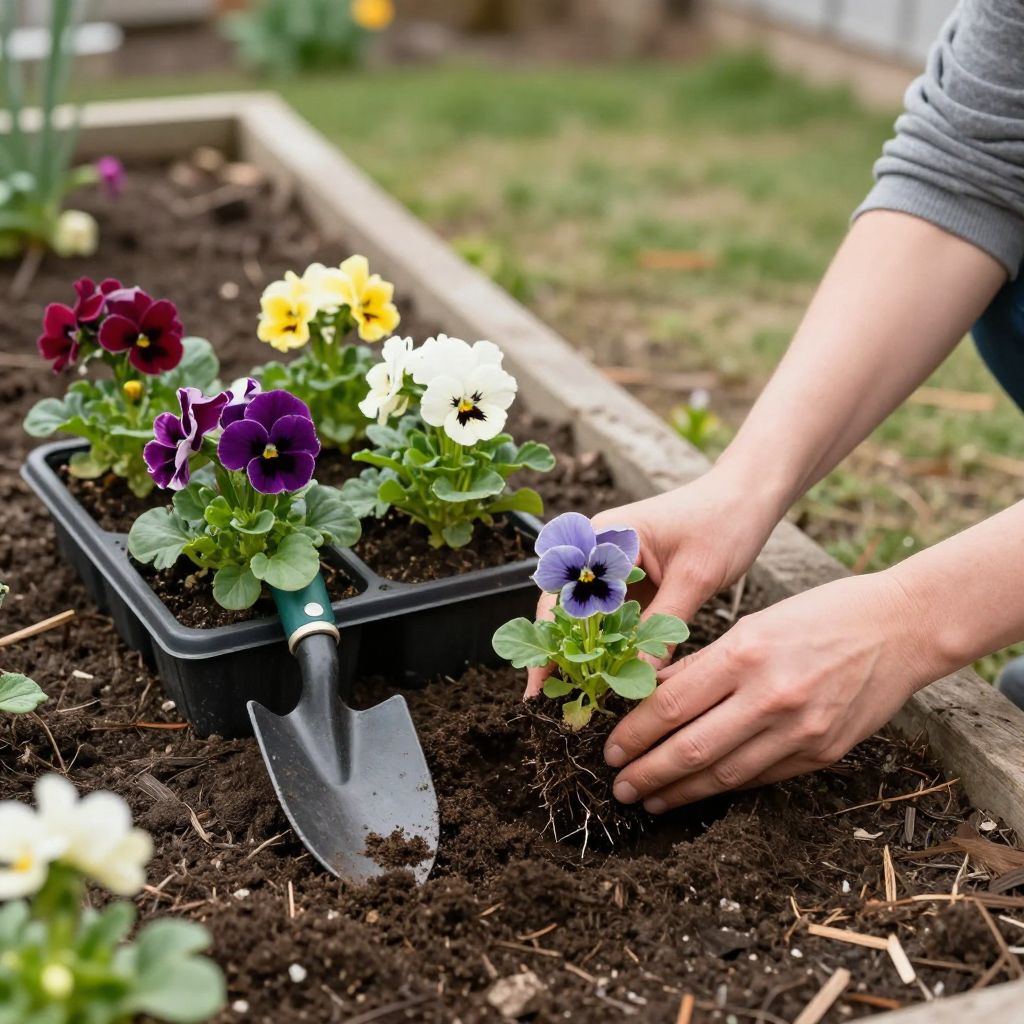
When is the best time to plant flowers? The short answer is: it depends on the flower, your local climate, and whether you’re planting seeds, bedding plants, bulbs, or perennials. In general, plant when temperatures and soil conditions match the needs of the flower you’ve chosen, not just when the calendar says spring has arrived.
For most gardeners, the safest timing is after the danger of hard frost has passed in spring, or in early fall for cool-season flowers and many perennials. The right window gives roots time to settle in before heat, drought, or freezing weather arrives.
When Is The Best Time To Plant Flowers?
The best time to plant flowers is when the weather is mild, the soil is workable, and the plant can establish roots without stress. In many areas, that means spring after frost for tender annuals, and early fall for hardy perennials, bulbs, and cool-season flowers. Always adjust timing to your local frost dates and climate.
How timing changes by flower type
Not all flowers want the same planting window. Some prefer cool soil and cool air, while others need warm soil to grow well.
Annual flowers
Annuals such as marigolds, zinnias, petunias, and impatiens are usually planted in spring after frost danger has passed. Warm-season annuals need consistently warm nights and soil to avoid stalling or rotting.
Cool-season annuals, such as pansies and violas, often do better in early spring or fall, depending on your climate. They can handle chilly weather better than heat.
Perennial flowers
Many perennials establish best in early fall because warm soil encourages root growth while cooler air reduces stress. Spring planting also works well, especially in colder regions where fall arrives quickly.
If you plant perennials in summer, water carefully and expect slower establishment. Heat and dry soil can make new plants struggle.
Flower bulbs
Spring-flowering bulbs such as tulips, daffodils, and crocus are typically planted in fall, before the ground freezes. They need a cold period to bloom properly.
Summer-flowering bulbs and tubers, such as dahlias and gladiolus, are usually planted in spring after frost. They are sensitive to cold soil and cold snaps.
Direct-sown flowers
Some flowers are best sown directly into the garden once the soil has warmed enough for germination. Others germinate better in cool soil and can be sown earlier.
Check the seed packet for soil temperature guidance, spacing, and whether the variety prefers direct sowing or transplanting.
Spring vs. fall: which season is better?
Both seasons can be excellent, but they serve different goals. Spring is best for tender flowers that cannot tolerate frost, while fall is often best for hardy plants that need time to root in before winter.
Plant in spring when you want:
- Tender annuals that dislike cold weather
- Flowers that need warm soil to germinate
- A full season of bloom from summer annuals
- To avoid winter damage in very cold climates
Plant in fall when you want:
- Better root establishment with less heat stress
- Spring-blooming bulbs
- Hardy perennials that can settle in before winter
- Cooler conditions for transplanting
In hot climates, fall planting is often especially valuable because summer heat can be too intense for new flowers. In colder climates, spring planting may be safer for tender plants, while fall is reserved for hardy bulbs and perennials.
How to choose the right planting time for your location
Your local frost dates matter more than a generic calendar. A flower that can be planted in early April in one region may need to wait until May or June in another.
Use these local clues
- Last spring frost date: Helps you know when tender flowers can go outside.
- First fall frost date: Tells you how much time perennials and annuals have to establish.
- Soil temperature: Cold, wet soil slows roots and can cause rot.
- Daytime heat: High heat increases transplant shock and watering needs.
If you do not know your frost dates, check a local extension service, a regional gardening guide, or a trusted weather source for your area. Then compare those dates with the needs of the flower you want to grow.
Best conditions for planting flowers
Timing is only part of the job. Flowers establish best when the planting site is prepared and the weather is cooperative.
Soil
Most flowers prefer loose, well-drained soil that holds some moisture but does not stay soggy. Heavy clay can suffocate roots if it stays wet, while very sandy soil may dry too quickly.
Work in compost to improve soil structure if needed. A 2- to 3-inch layer of compost mixed into the top 6 to 8 inches of soil is a common, practical starting point for many garden beds.
Drainage
Good drainage is essential. If water puddles after rain or irrigation, roots may rot before the plant gets established.
For containers, always use pots with drainage holes and a quality potting mix rather than garden soil.
Sunlight
Match the flower to the site. Sun-loving flowers usually need at least 6 hours of direct sun, while shade plants need protection from strong afternoon light.
Planting at the right season will not fix a poor light match, so choose the site first whenever possible.
How to plant flowers successfully
A good planting process helps flowers settle in quickly, whether you are planting seeds, transplants, or bulbs.
- Prepare the bed by removing weeds and loosening the soil.
- Mix in compost if the soil is poor or compacted.
- Water the planting area lightly before planting if the soil is dry.
- Set plants at the correct depth. Most transplants should sit at the same depth they were growing in their pots.
- Firm the soil gently around the roots to remove air pockets.
- Water thoroughly after planting.
- Add mulch around, but not touching, stems to conserve moisture and reduce weeds.
For bulbs, plant at the depth recommended for that type, usually deeper than many beginners expect. A common rule is to plant bulbs about two to three times as deep as the bulb is tall, but always check the specific variety.
Common mistakes to avoid
Many flower planting problems come from rushing the season or planting under stressful conditions.
- Planting too early: Frost can damage tender growth and cold soil can slow rooting.
- Planting too late: New flowers may not have enough time to establish before heat or cold arrives.
- Ignoring soil moisture: Waterlogged or bone-dry soil both make establishment harder.
- Overcrowding: Poor spacing reduces airflow and increases disease risk.
- Skipping hardening off: Indoor-grown seedlings need gradual exposure to outdoor conditions before transplanting.
Watering and care after planting
New flowers need steady moisture while roots are forming, but they should not sit in soggy soil. Water deeply after planting, then check the soil regularly during the first few weeks.
A better rule than a fixed schedule is to water when the top inch or two of soil begins to dry, especially in warm weather. Containers dry out faster than in-ground beds and usually need closer attention.
Mulch helps
A 2- to 3-inch layer of organic mulch can help hold moisture, moderate soil temperature, and reduce weeds. Keep mulch a little away from stems and crowns to prevent rot.
Pruning, deadheading, and maintenance
Once flowers are growing, light maintenance can extend bloom and keep plants healthy.
- Deadhead spent blooms on many annuals and perennials to encourage more flowers.
- Pinch back young annuals if they become leggy and you want bushier growth.
- Remove damaged leaves to improve appearance and reduce disease spread.
- Watch for crowding as plants mature and thin or divide them if needed.
Not every flower should be pruned the same way, so check the needs of the specific plant before cutting heavily.
Pests and diseases that affect newly planted flowers
Freshly planted flowers can be more vulnerable because roots are still settling in. Catching problems early makes a big difference.
Common issues
- Slugs and snails: Often chew young leaves in damp conditions.
- Aphids: Cluster on tender new growth and may distort leaves.
- Powdery mildew: More likely when airflow is poor and humidity is high.
- Root rot: Usually caused by poor drainage or overwatering.
To reduce problems, space plants properly, water at the base when possible, and keep the bed free of debris. Healthy, well-timed planting is one of the best defenses against pests and disease.
What if you missed the ideal planting window?
Missing the perfect week does not mean you have to skip flowers altogether. You may still be able to plant successfully if conditions are reasonable.
- If spring is late, choose faster-establishing annuals or container plants.
- If summer is hot, wait for cooler weather or plant in the evening and shade new transplants for a few days.
- If fall is short, focus on hardy perennials and bulbs that can handle the season.
- If the soil is too wet or frozen, wait until it is workable rather than forcing the job.
Patience often leads to better results than planting into poor conditions just to stay on schedule.
Final planting tip
The best time to plant flowers is the time that matches the plant’s needs, your climate, and your soil conditions. If you want the strongest start, choose the right season, prepare the bed well, and water consistently while roots establish.
For more practical help, you may also want to read about garden soil basics and hardening off seedlings before transplanting.