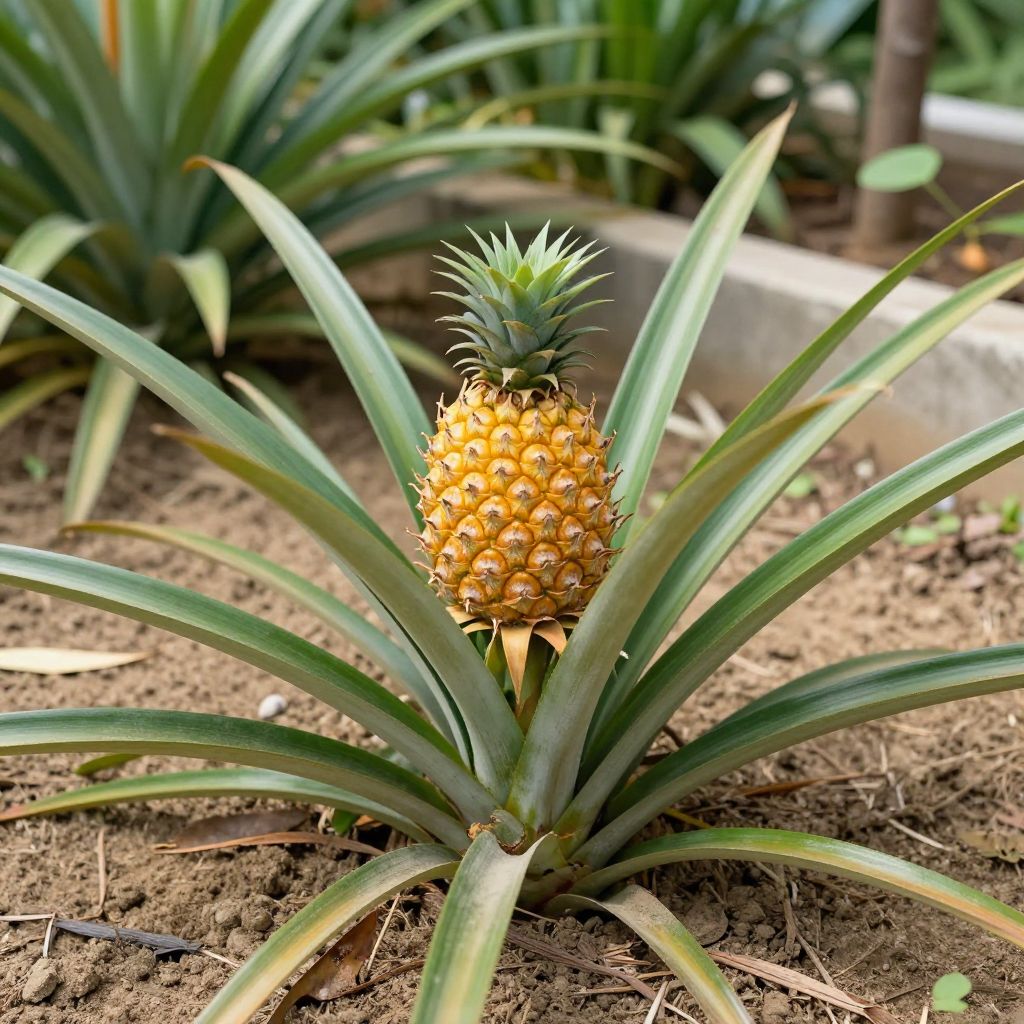
When are pineapples in season? If you grow them yourself, the short answer is that pineapples are usually ready to harvest in warm weather once the fruit has fully colored and smells sweet at the base. In many climates, the exact season depends less on the calendar and more on plant age, heat, and light.
For home gardeners, the best “season” is the ripening window on your own plant. Pineapples are tropical bromeliads that need patience, but with the right conditions you can learn when fruit is mature, how to harvest it cleanly, and how to encourage the next crop or offset.
When are pineapples in season?
Pineapples are typically harvested in warm months, but the exact season varies by climate and planting time. In tropical and subtropical areas, fruit may ripen year-round with peak harvests often in late spring through summer. For home growers, a pineapple is in season when it reaches full color, smells fragrant, and gives slightly at the base.
Understanding pineapple season in the garden
Pineapple plants (Ananas comosus) don’t follow a strict “one season only” pattern like many temperate fruits. Instead, fruiting depends on temperature, sun, and plant maturity.
In warm regions, a healthy plant can flower and set fruit at different times of year, so harvest season may be spread out. In cooler climates, indoor or container-grown plants usually ripen more predictably during the warmest, brightest part of the year.
What affects ripening time?
- Plant age: Pineapples usually need a mature, established plant before flowering.
- Temperature: Warm conditions speed growth; cold slows it down.
- Light: Full sun supports better flowering and fruit development.
- Water and drainage: Stress from soggy soil can delay or damage fruiting.
- Variety and growing method: Container plants and offsets may mature at different rates.
How to tell a pineapple is ready to harvest
Don’t rely on size alone. A pineapple can look large before it is fully ripe. The best time to pick is when the fruit has developed good color, a sweet fragrance, and a slight softness at the base.
Signs of ripeness
- The lower portion of the fruit turns from green to yellow or golden.
- The fruit gives off a sweet pineapple scent near the base.
- The eyes look flatter and more rounded, not sharp and green.
- The fruit feels firm but not rock-hard.
- The crown leaves may look healthy and fully developed.
Important: Pineapples do not become much sweeter after harvest. They can soften a little, but they won’t truly ripen like bananas or peaches, so timing matters.
Common mistake: picking too early
Many gardeners harvest as soon as the fruit looks full-sized. That often leads to a tart, underdeveloped pineapple. If you are unsure, wait for more color and fragrance rather than guessing by size alone.
Growing conditions that influence pineapple season
If you want a reliable harvest window, focus on the plant’s growing conditions all year. Pineapples need warmth, sun, and excellent drainage to move from vegetative growth into flowering and fruiting.
Sunlight
Pineapples grow best in full sun, or at least 6 to 8 hours of direct light daily. In very hot climates, a little afternoon protection can help prevent leaf scorch, especially for young plants.
Soil and drainage
Use a loose, fast-draining mix. Pineapples dislike heavy, waterlogged soil, which can lead to root rot and slow growth.
- In the ground, improve clay soil with coarse organic matter and raised planting beds if needed.
- In containers, choose a pot with drainage holes and a gritty, airy mix.
- Avoid compacted soil that stays wet after rain or watering.
Watering
Water thoroughly, then let the top layer of soil dry slightly before watering again. Pineapples are drought-tolerant once established, but they grow best with steady moisture and no standing water around the roots.
Overwatering is one of the most common reasons pineapple plants fail to fruit well. If leaves yellow and the soil stays wet, reduce watering and improve drainage.
Fertilizer and growth
Balanced nutrition helps the plant build enough energy to flower and fruit. Use compost or a general-purpose fertilizer appropriate for fruiting tropical plants, but avoid overfeeding with nitrogen alone, which can produce lots of leaves and delay fruit.
Seasonal care for pineapple plants
Because pineapples are slow-growing, the best care changes with the season and whether you grow them indoors or outdoors.
In warm outdoor climates
- Plant in a sunny, well-drained spot after the danger of cold weather has passed.
- Mulch lightly to conserve moisture, but keep mulch away from the crown.
- Water during dry spells, especially while the plant is establishing.
- Watch for flower development as the plant matures.
- Harvest when the fruit shows color and fragrance.
In cooler climates or containers
- Grow pineapple in a pot that can be moved to the brightest warm location.
- Keep the plant in strong light, such as a sunny window or greenhouse.
- Protect it from cold drafts and temperatures that drop too low for active growth.
- Rotate the pot occasionally so the plant grows evenly.
- Bring it indoors before cool nights if you grow it outside for summer.
How to encourage flowering and fruiting
Many gardeners ask when pineapples are in season because they want to know when fruit will appear. A pineapple plant must first reach maturity before it can flower, and that can take time. Healthy leaves, strong roots, and good light are the foundation.
Some gardeners use natural ripening cues or plant stress to encourage flowering, but the safest approach is to keep the plant vigorous rather than forcing it. A stressed plant may flower poorly or produce a small fruit.
What helps a pineapple flower naturally
- Consistent warmth
- Bright light
- Well-drained soil
- Moderate feeding during active growth
- Healthy offset management so the plant is not overcrowded
Harvesting pineapples without damaging the plant
Use clean, sharp pruners or a knife to cut the fruit from the stalk, leaving a short section of stem attached. Handle the crown carefully if you want to propagate it later.
Harvest steps
- Check for color, fragrance, and slight softness.
- Hold the fruit securely near the base.
- Cut the stem cleanly with a sharp tool.
- Place the fruit in a shaded spot if you are not using it immediately.
- Inspect the plant for offsets or pups after harvest.
If the fruit is still mostly green but you expect cool weather soon, it is usually better to wait a little longer if the plant is protected. Cold can slow ripening and affect flavor.
After harvest: what to do with the plant
A pineapple plant does not die after fruiting. It often produces offsets, called pups, around the base or along the stem. These can be used to grow new plants.
Managing pups and offsets
- Let pups grow until they are large enough to handle safely.
- Separate them with a clean knife when they have a few roots of their own, if possible.
- Pot them up in a free-draining mix.
- Keep them warm and bright while they establish.
This is one reason pineapple season in the garden is more than a single harvest. A mature plant can support the next generation of plants if you manage the offsets well.
Common problems that delay pineapple season
If your pineapple is slow to fruit, the issue is often environmental rather than seasonal. Check the basics before assuming the plant is failing.
Too little light
Low light is a major reason pineapple plants stay leafy and never flower. Move container plants to a brighter location or a sunnier spot outdoors if temperatures allow.
Poor drainage
Soggy soil can stunt roots and cause rot. If the plant sits in wet conditions, repot it or improve the bed so water moves away quickly.
Cold stress
Pineapples prefer warmth. Cold nights can slow growth and delay flowering, especially in marginal climates or unheated spaces.
Pests and disease
Watch for mealybugs, scale, and root problems. Sticky residue, distorted growth, or yellowing leaves can signal trouble. Remove pests early and avoid overwatering, which makes disease more likely.
Practical tips for better fruit timing
- Choose the sunniest site you have.
- Use a loose, well-draining growing medium.
- Keep watering steady but never excessive.
- Protect plants from cold snaps.
- Feed lightly and regularly rather than overdoing nitrogen.
- Be patient; pineapples are slow, but healthy plants are more likely to fruit on schedule.
Conclusion
When are pineapples in season? In the garden, they are in season when the fruit is mature, fragrant, and showing good color, usually during warm months in tropical and subtropical conditions. Focus on sun, drainage, and patience, and check your plant often as it nears maturity so you can harvest at the right time.
For more practical fruit-growing help, you may also want to read about growing tropical fruit in containers and how to improve garden drainage for fruit plants.