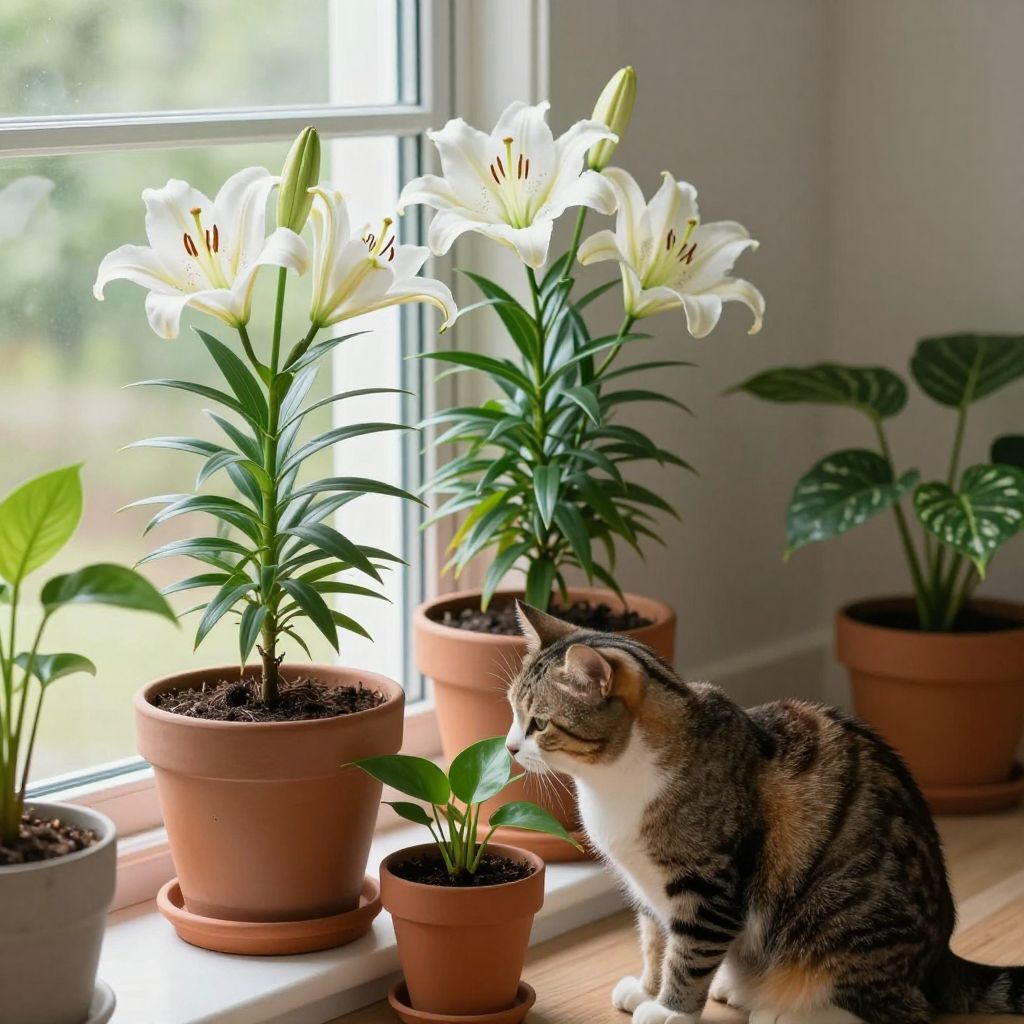
If you’re wondering what plants are bad for cats, the short answer is: many common houseplants and garden ornamentals can be harmful if chewed or eaten. The risk ranges from mild mouth irritation to serious poisoning, so it’s worth checking every plant before bringing it home or planting it near a curious cat.
The safest approach is to choose cat-friendly plants, place risky plants out of reach only if they are truly inaccessible, and know the warning signs of exposure. Good garden planning can protect your cat without making your home or yard feel bare.
What plants are bad for cats?
Many plants are toxic to cats, especially lilies, sago palm, azaleas, oleander, tulips, daffodils, and many common houseplants such as pothos and philodendron. Even small nibbles can cause vomiting, drooling, or more serious illness, so it’s best to identify plants before buying, planting, or bringing them indoors.
Common toxic plants to avoid
Some plants are especially dangerous because cats may chew leaves, dig in pots, or brush against pollen and then groom it off their fur. If you garden with cats, these are the plants to treat with extra caution.
Highly dangerous plants
- Lilies (Lilium and Hemerocallis types): extremely dangerous to cats; even small exposures can be severe.
- Sago palm (Cycas revoluta): all parts are poisonous, especially the seeds.
- Oleander (Nerium oleander): toxic leaves, flowers, and stems.
- Azalea and rhododendron (Rhododendron spp.): can cause vomiting, weakness, and heart problems.
- Autumn crocus (Colchicum autumnale): highly toxic and dangerous even in small amounts.
Common garden and houseplants that can upset cats
- Tulips and daffodils (Tulipa, Narcissus): bulbs are especially toxic.
- Pothos (Epipremnum aureum): causes mouth irritation and vomiting.
- Philodendron (Philodendron spp.): irritating to the mouth and digestive tract.
- Peace lily (Spathiphyllum spp.): not a true lily, but still irritating and unsafe to chew.
- English ivy (Hedera helix): can cause stomach upset and skin irritation.
- Dieffenbachia and caladium: contain crystals that irritate the mouth and throat.
- Chrysanthemums and marigolds: may cause mild to moderate digestive upset.
How to choose cat-safe plants for your garden
If you want a cat-friendly planting plan, start by choosing plants with a lower toxicity risk and then match them to your light, soil, and climate. No plant is completely “cat-proof,” but some are much better choices than others.
Better options for many homes and gardens
- Spider plant (Chlorophytum comosum)
- Areca palm (Dypsis lutescens)
- Boston fern (Nephrolepis exaltata)
- Calathea and prayer plant types
- Rosemary, basil, and many other culinary herbs, if grown in suitable conditions
- Maranta and some other tropical foliage plants often sold as pet-friendly options
Always verify a plant’s safety before buying. Common names can be misleading, and some “safe” plants still cause stomach upset if overeaten.
Planting a cat-friendly garden
Good planting design matters as much as plant choice. Cats like loose soil, shaded hiding spots, and soft leaves, so your layout can either discourage or invite them to investigate.
Use placement to reduce risk
- Keep toxic plants out of the plan if your cat roams freely outdoors.
- Group safe plants together so you can monitor them more easily.
- Use raised beds or containers for plants you want to protect from digging.
- Place fragile pots on stable stands rather than low shelves or ledges cats can jump onto.
- Leave pathways so your cat has a preferred route and is less likely to trample beds.
Soil and drainage considerations
For container plants, use a well-draining potting mix and pots with drainage holes. Waterlogged soil can attract curious cats and also weakens plants, making them more likely to be nibbled or damaged.
In the ground, improve heavy clay with compost only if it suits the plant you’re growing. Avoid adding fresh manure or unknown compost where cats may dig, since strong odors can attract them and some amendments may be unsafe if not fully broken down.
Indoor growing tips when you have cats
Indoor plants are often the biggest concern because cats can reach them year-round. A few simple habits can lower the risk without turning your home into a fortress.
Make indoor plants less tempting
- Place plants on high, stable shelves that are not easy launch points.
- Use hanging baskets only if they truly hang out of reach.
- Remove fallen leaves quickly, since cats may bat or chew them.
- Rotate plants occasionally so you can inspect stems, soil, and new growth.
- Provide cat grass or a safe chewing alternative if your cat likes to nibble greenery.
Do not rely on “just one bite” being harmless. Some plants, especially lilies, can be dangerous after very small exposures.
Outdoor gardening with cats around
If your cat spends time outdoors, the garden itself becomes part of the safety plan. Cats may eat plants, rub against pollen, or bring toxic debris home on their fur.
Practical ways to reduce outdoor exposure
- Remove lilies and sago palms from any area your cat can access.
- Fence off new beds until plants are established.
- Use mulch carefully; avoid cocoa mulch, which can be toxic if eaten.
- Choose sturdy, non-toxic borders such as low shrubs or decorative edging to define off-limits areas.
- Check imported nursery plants before planting them near pet areas.
Freshly turned soil is especially attractive to cats. If you’ve just planted, cover exposed soil with larger stones, plant covers, or temporary netting until roots establish.
What to do if your cat eats a plant
If you think your cat has chewed or swallowed a harmful plant, act quickly. Fast action matters more than trying home remedies.
Step-by-step response
- Remove the plant material from your cat’s mouth if you can do so safely.
- Keep the plant sample or take a clear photo for identification.
- Call your veterinarian or an emergency animal poison line right away.
- Watch for symptoms such as drooling, vomiting, lethargy, tremors, trouble breathing, or loss of appetite.
- Do not induce vomiting unless a veterinarian specifically tells you to.
If the plant may be a lily, treat it as an emergency. Even if your cat seems normal at first, prompt veterinary advice is important.
Common mistakes gardeners make
Most plant-related cat problems happen because a plant was assumed to be safe, or because a risky plant was placed where a cat could still reach it. A few habits can prevent that.
- Buying plants by appearance alone without checking the botanical name.
- Assuming a plant is safe because it is sold indoors or in a pet store.
- Leaving bulbs, cut flowers, or pruned trimmings where cats can investigate them.
- Using toxic mulch or compost additions in accessible beds.
- Relying on scent deterrents alone instead of removing the hazard.
How to maintain a safer garden over time
Cat-safe gardening is not a one-time job. Plants grow, sheds and patios get rearranged, and new purchases sneak in with the best intentions. Regular checks keep the space safer.
Seasonal maintenance checklist
- Inspect new spring bulbs before planting.
- Remove fallen flowers and leaves after storms or pruning.
- Check indoor plants when you repot or divide them.
- Label questionable plants so everyone in the household knows to keep cats away.
- Replace damaged pots, broken stakes, or unstable supports that could topple onto a cat.
If you garden seasonally, remember that cut flowers brought indoors can be just as risky as potted plants. Keep bouquets with unknown species away from cats until you’ve identified them.
Conclusion
When you ask what plants are bad for cats, the safest answer is to verify every plant before it enters your home or garden. Remove the most dangerous species, choose safer alternatives, and design your planting areas so your cat has fewer chances to chew, dig, or brush against toxic foliage. If you want to keep going, look for more guidance on pet-safe houseplants and container gardening before your next purchase.