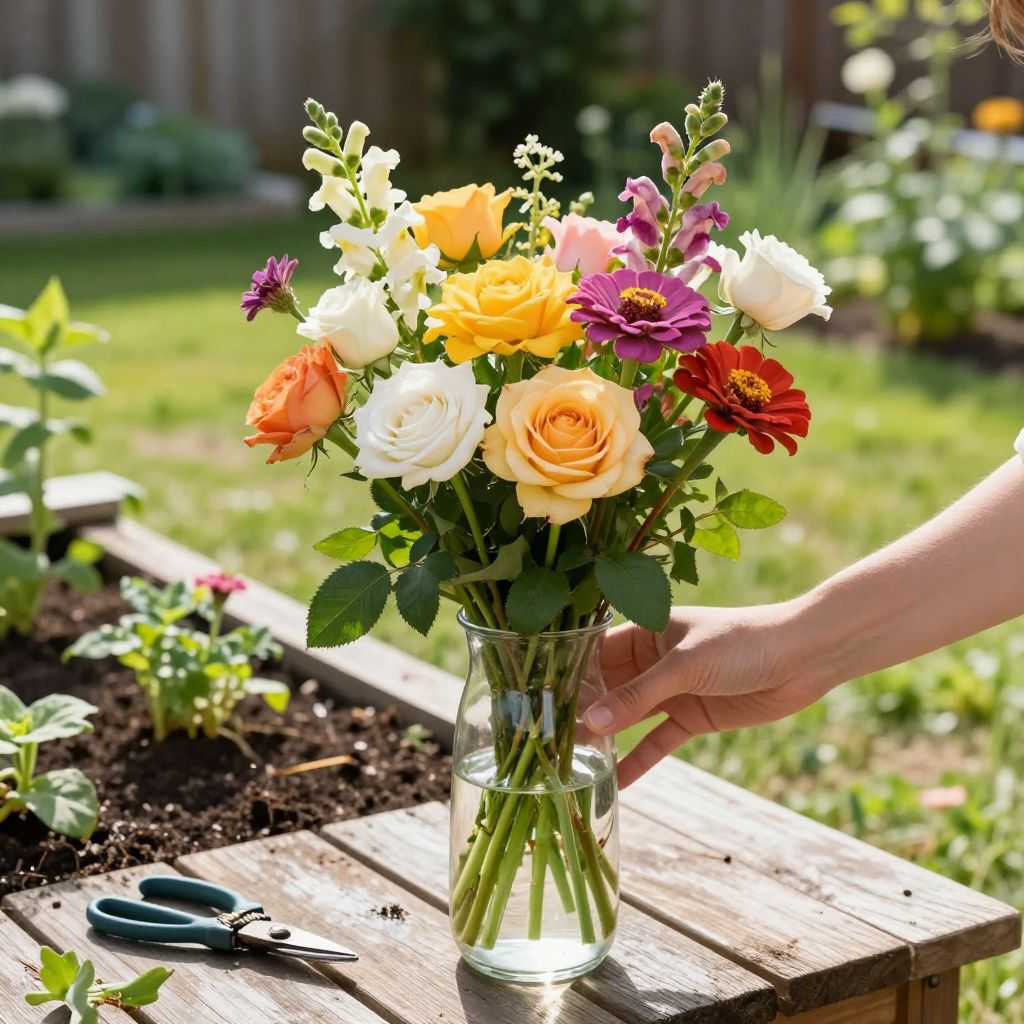
Do cut flowers need sunlight? It depends on whether you mean flowers still growing in the garden or stems already cut for a vase. Living plants need the right amount of sun to produce strong stems and blooms, while cut flowers no longer use sunlight for growth and instead need cool conditions, clean water, and good care to stay fresh.
If you want longer-lasting bouquets, the key is to understand the difference between growing flowers and harvested cut flowers. Once you know how each stage works, you can grow better stems, harvest at the right time, and keep arrangements looking fresh for as long as possible.
Do cut flowers need sunlight?
Cut flowers do not need sunlight once they are harvested, because they are no longer growing. In fact, direct sun usually shortens vase life by warming the water and speeding up wilting. Keep cut flowers in a cool spot with indirect light, fresh water, and good airflow for best results.
What sunlight does for flowers before they are cut
Sunlight matters a great deal while flowers are still rooted in the soil. Plants use light for photosynthesis, which fuels stem growth, leaf development, bud formation, and bloom quality.
If a flowering plant gets too little light, it may produce weak stems, fewer blooms, and smaller flowers. Too much harsh sun can also stress some species, especially in hot climates, causing scorched leaves, faded petals, or quick drying of buds.
Match light to the plant
Different cut flowers have different light needs. Some prefer full sun, while others bloom best with partial shade, especially in warm regions.
- Full sun flowers often include zinnias, sunflowers, cosmos, and many dahlias in cooler areas.
- Partial shade flowers may include astilbe, some hydrangeas, and shade-tolerant annuals grown for cutting.
- Cool-season flowers often perform better with morning sun and afternoon shade in hot summers.
Always check the needs of the specific plant rather than assuming all cut flowers want the same exposure.
How to grow cut flowers for strong stems and long vase life
Healthy cut flowers start with healthy plants. Good sunlight, soil, and spacing help produce sturdy stems that hold up better after harvest.
Choose the right site
Pick a planting spot that matches the flower’s light preference and your local climate. In very hot regions, a site with morning sun and some afternoon protection can help flowers last longer on the plant and in the vase.
Prepare the soil well
Most cut flowers do best in soil that drains well and contains enough organic matter to support steady growth. Work in compost before planting to improve texture and moisture retention.
- Avoid heavy, waterlogged soil that can weaken roots.
- Use raised beds if your ground stays wet after rain.
- Do not overdo rich amendments for every flower; some plants make more leafy growth than blooms in overly fertile soil.
Water consistently
Uneven watering can reduce flower quality. Dry spells may cause stunted growth, while soggy soil can lead to root problems and poor stems.
Water deeply when the top few inches of soil begin to dry, adjusting for rainfall, temperature, soil type, and plant maturity. Newly planted flowers usually need closer attention than established ones.
Feed lightly, if needed
Many cut flowers benefit from balanced nutrition, but too much nitrogen can give you lots of leaves and fewer flowers. Use compost and, if needed, a fertilizer suited to flowering plants according to label directions and local soil conditions.
What happens after flowers are cut?
Once cut, flowers are separated from their roots, so they can no longer take up water and minerals the way a living plant does. Sunlight no longer helps them grow, and in most cases it speeds up decline by warming the petals and vase water.
That is why a bouquet usually lasts longer in a cool room away from windows, vents, and direct afternoon sun. Bright light is fine for enjoying the arrangement, but direct sun is not helpful for cut stems.
Best placement for a vase
- Keep arrangements away from direct sun.
- Place them in a cool indoor area if possible.
- Skip spots near heaters, stoves, or drafty windows.
- Keep them away from ripening fruit, which can shorten vase life for many flowers.
How to harvest cut flowers for the longest vase life
Harvesting at the right stage matters as much as sunlight. Pick flowers too early and they may not open well; pick them too late and they may fade quickly.
Harvest in the cool part of the day
Cut stems in the early morning or late evening when plants are well hydrated and temperatures are lower. This helps reduce stress and improves post-harvest freshness.
Use clean, sharp tools
Use pruners, snips, or a sharp knife that makes a clean cut. Dirty tools can spread disease, and crushed stems take up water poorly.
Cut at the right stage
The ideal stage depends on the flower type, but many cut flowers last longer if harvested when buds are just starting to open. Some flowers, such as sunflowers, are often cut when petals are beginning to unfurl, while others are best when more fully open.
If you are unsure, test a few stems and see how they perform in the vase. Your own garden and climate will tell you more than a generic rule.
Simple care tips for cut flowers indoors
Good vase care can make a noticeable difference. The goal is to reduce stress and keep the stems taking up water efficiently.
- Trim the stems before placing them in water.
- Remove any leaves that would sit below the waterline.
- Use a clean vase with fresh water.
- Change the water regularly, especially if it becomes cloudy.
- Re-cut stems every few days if the flowers are still declining.
Removing submerged foliage is important because decaying leaves encourage bacteria, which blocks water uptake and shortens vase life.
Cool air helps more than sunlight
Indoor cut flowers usually last longer in a cool room than in a sunny windowsill. If you want a brighter display, use the room’s ambient light rather than direct sun.
Common mistakes that shorten vase life
Many bouquet problems are caused by heat, bacteria, or poor hydration rather than a lack of sunlight. Avoid these common mistakes:
- Leaving flowers in direct sun after cutting.
- Using a dirty vase or dull cutting tools.
- Allowing leaves to rot in the water.
- Placing arrangements near heat sources.
- Harvesting flowers during the hottest part of the day.
If flowers wilt quickly, check the stem ends for blockage, recut them, refresh the water, and move the vase to a cooler place.
Do different cut flowers behave differently?
Yes. Some flowers are naturally more durable than others, and some are more sensitive to heat and light. Thick-stemmed blooms may hold up longer, while delicate petals can fade fast in warm conditions.
Examples of practical differences
- Sun-loving garden flowers like zinnias and sunflowers need strong light while growing, but not after cutting.
- Cool-season blooms often last longer in mild weather and may struggle in intense summer sun.
- Delicate flowers usually benefit from earlier harvesting and cooler indoor display.
Because performance varies, keep notes on what grows well in your garden and which flowers last longest in your home. That is one of the best ways to improve future bouquets.
Outdoor cut flower beds: balancing sun, heat, and season
If you are growing flowers specifically for cutting, sunlight should be matched to the season. In spring and fall, full sun may be ideal for many species. In hot midsummer conditions, some plants may need afternoon shade to prevent stress and shorten bloom life on the plant.
Mulch can help moderate soil temperature and conserve moisture, especially in beds that dry out quickly. Just keep mulch a little away from stems to reduce rot and pest problems.
When poor sunlight is the real problem
If your cut flowers are weak before harvest, the issue may be insufficient light rather than vase care. Signs include long floppy stems, sparse blooms, and plants leaning toward the brightest area.
To improve growth, move containers to a sunnier location, thin nearby plants that cast too much shade, or choose varieties better suited to your site. For indoor growing, place flowering plants in the brightest appropriate window for their needs, but remember that cut stems themselves should still be kept out of direct sun after cutting.
Conclusion: the simple rule to remember
Do cut flowers need sunlight? No, not after they are cut. They last longer in cool, indirect light with clean water and good vase care. If you are growing the flowers before harvest, give them the right amount of sun for the species and your climate, then cut them at the best stage for freshness.
For more practical flower-growing advice, you may also find it helpful to read about how to harvest flowers for arrangements and basic container care for blooming plants.