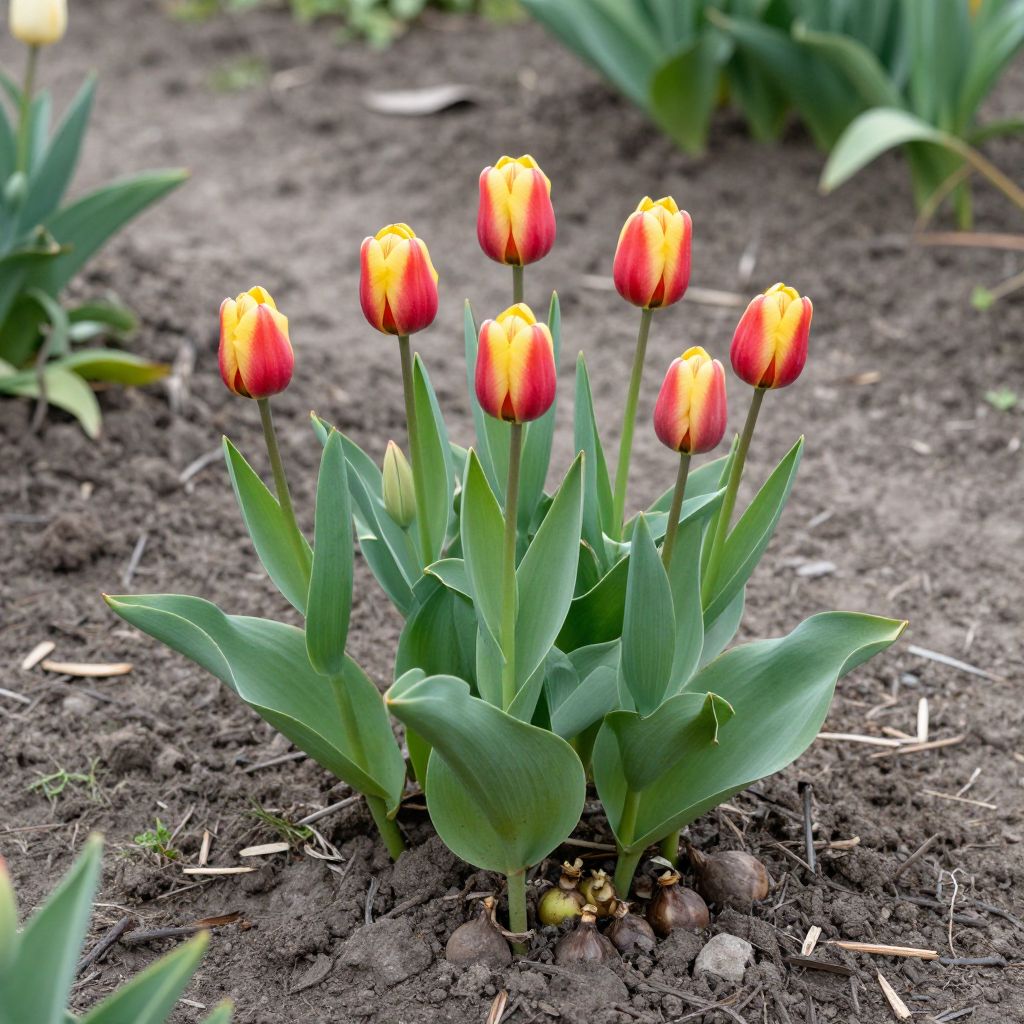
Do tulips multiply? Yes, but not always quickly. Tulips can spread by producing offsets, which are small daughter bulbs that form around the parent bulb, and some species tulips naturalize more readily than large-flowered hybrid tulips. In the right soil and climate, you can gradually build a bigger clump over several seasons.
The key is understanding that tulips are usually slow multipliers in home gardens. If you want more blooms year after year, you need the right variety, good drainage, and care that lets the bulbs recharge after flowering.
Do tulips multiply?
Tulips do multiply, mainly by forming offsets from the original bulb. However, many modern garden tulips bloom best for one to three seasons and then decline unless conditions are ideal. Species tulips and some Darwin hybrids tend to return and multiply more reliably than short-lived, highly bred types.
How tulips multiply in the garden
Tulips reproduce vegetatively underground. After flowering, the parent bulb stores energy from its leaves and may produce one or more small bulbs beside it. Those offsets need time to mature before they can bloom on their own.
What affects multiplication?
- Bulb type: Species tulips usually naturalize better than many showy hybrids.
- Soil drainage: Wet soil often causes rot before bulbs can divide well.
- Summer conditions: Warm, dry dormancy helps bulbs stay healthy.
- Leaf retention: Leaves must stay on the plant long enough to rebuild the bulb.
- Planting depth and spacing: Crowding can limit bulb size and flower quality.
Why some tulips multiply while others fade
Not all tulips behave the same way. Many large-flowered tulips are treated as seasonal display plants because they may bloom strongly the first year, then produce smaller flowers or fewer stems later. If you want a tulip bed that increases over time, choose varieties known for perennial performance and give them conditions close to their preferred habitat.
Types that usually naturalize better
- Species tulips
- Greigii tulips
- Kaufmanniana tulips
- Some Darwin hybrids in suitable conditions
These types are often shorter, earlier, and more dependable for long-term clumps than very tall, heavily petaled garden tulips.
Best growing conditions for tulip multiplication
If you want tulips to multiply, focus on the bulb’s health after bloom. Tulips need full sun or light shade, sharply drained soil, and a period of summer dryness. Heavy clay or constantly damp beds are the main reasons bulbs rot instead of dividing.
Soil and drainage
Tulips prefer loose, fertile soil that drains well. If your soil stays wet after rain, improve it before planting.
- Work in compost to improve structure, not to make the soil soggy.
- In clay soil, plant in raised beds or mounds if drainage is poor.
- Avoid low spots where water collects in spring or winter.
Sunlight
Give tulips at least half a day of sun, and preferably full sun in cooler climates. More light helps the leaves make enough food to support bulb division.
Watering
Water newly planted bulbs once after planting if the soil is dry, then let rain do most of the work. During active growth, keep the soil evenly moist but never waterlogged. Once foliage yellows, reduce water so the bulbs can rest.
How to plant tulips so they come back and multiply
Proper planting makes a big difference in whether tulips return. Plant healthy, firm bulbs in fall in most climates, or at the local planting time for your region if winters are unusual. The goal is to root them before cold weather and protect them from rot.
- Choose plump bulbs with no soft spots or mold.
- Select a sunny, well-drained site.
- Plant bulbs pointy end up at a depth about 2 to 3 times the bulb’s height.
- Space them so bulbs are not touching, usually several inches apart.
- Cover with soil and water lightly if the soil is dry.
In containers, use a free-draining potting mix and pots with drainage holes. Bulbs in pots dry out and warm up faster than those in the ground, so container-grown tulips often need more attention and may not multiply as well unless you manage them carefully.
Care after flowering: the most important step
The period after bloom is when next year’s bulbs are made. If you cut the foliage too early, the bulb loses the energy it needs to divide and flower again. Let the leaves do their job until they naturally yellow and collapse.
What to do after the flowers fade
- Deadhead the spent flower so the plant does not waste energy on seed formation.
- Leave the green leaves in place.
- Keep the bed lightly watered if spring is dry.
- Remove only the foliage once it turns yellow or brown.
You can feed tulips lightly after bloom with compost or a balanced bulb fertilizer if your soil is poor, but avoid overfeeding with high nitrogen. Too much nitrogen can encourage weak leaves and reduce flowering.
Should you lift tulip bulbs?
In some gardens, yes. If your soil is heavy, summers are wet, or your tulips decline after blooming, lifting and storing bulbs can help. In dry, well-drained beds, leaving them in place may work better for naturalizing types.
When lifting helps
- The bed stays wet in summer.
- Bulbs are overcrowded and flowering has dropped.
- You grow a type that performs better with seasonal replanting.
- You want to sort out offsets and replant only the strongest bulbs.
Lift bulbs after the foliage has yellowed. Dry them in a cool, airy place, then store them in a breathable container until replanting time. Discard any soft or diseased bulbs.
How long before tulips make new bulbs?
Tulips usually need more than one season to form offsets large enough to bloom. A small offset may take a few years before it becomes a flowering bulb. That means multiplication is gradual, not instant, and the speed depends on variety, weather, and care.
If you see fewer flowers after a few years, it does not always mean the bulbs failed. Sometimes the clump is still building strength underground, especially if the foliage was left intact and the site drains well.
Common problems that stop tulips from multiplying
Most tulip failures come from stress rather than a lack of ability to divide. If your bulbs are not multiplying, check the growing conditions first.
1. Poor drainage
Rot is the fastest way to lose bulbs. If the soil stays wet, the bulb may never recover enough to form offsets.
2. Cutting foliage too soon
Leaves are the bulb’s solar panels. Removing them early weakens the bulb and reduces future flowering.
3. Planting in deep shade
Too little light leads to weak growth and smaller bulbs.
4. Overcrowding
Bulbs packed too tightly compete for space and nutrients. Divide and replant clumps when flowering declines.
5. Pests and disease
Squirrels, voles, and deer may dig or browse bulbs and shoots. Fungal problems such as bulb rot and tulip fire can also reduce plant vigor, especially in damp conditions.
How to encourage more tulips over time
If your goal is a larger tulip display each spring, think long term. Healthy bulbs in the right place are more likely to multiply than bulbs planted and forgotten in poor soil.
- Choose naturalizing types when possible.
- Plant in well-drained soil with plenty of light.
- Deadhead after bloom, but keep the leaves.
- Let the foliage die back naturally.
- Avoid summer watering unless the soil is extremely dry and the bulbs are in active growth nearby.
- Replant or replace declining clumps every few years if needed.
Tulips in containers versus in the ground
In the ground, tulips usually have a better chance to multiply because temperatures and moisture are more stable. In containers, bulbs can still bloom beautifully, but they are more exposed to heat, drying, and rot.
If you grow tulips in pots, use a large container, excellent drainage, and a cool location during dormancy. Consider planting them out into the garden after flowering if you want them to have a better chance of returning.
What to expect realistically
For most gardeners, tulips are not aggressive spreaders. A healthy clump may slowly increase over time, but it will not fill a bed the way some perennial bulbs do. Think of tulip multiplication as a gradual bonus, not a guarantee.
The best results come from matching the tulip type to your site, then protecting the foliage and drainage that bulbs need to rebuild themselves each year.
Conclusion
So, do tulips multiply? Yes, but usually slowly, and only when the bulbs stay healthy after flowering. If you want more tulips next year, plant them in well-drained soil, give them sun, and let the foliage die back naturally. For more long-term success, choose naturalizing types and improve the bed before replanting.
If you’d like to keep building a stronger spring bulb display, you may also want to read about how to plant bulbs for better bloom and tulip growing care tips.