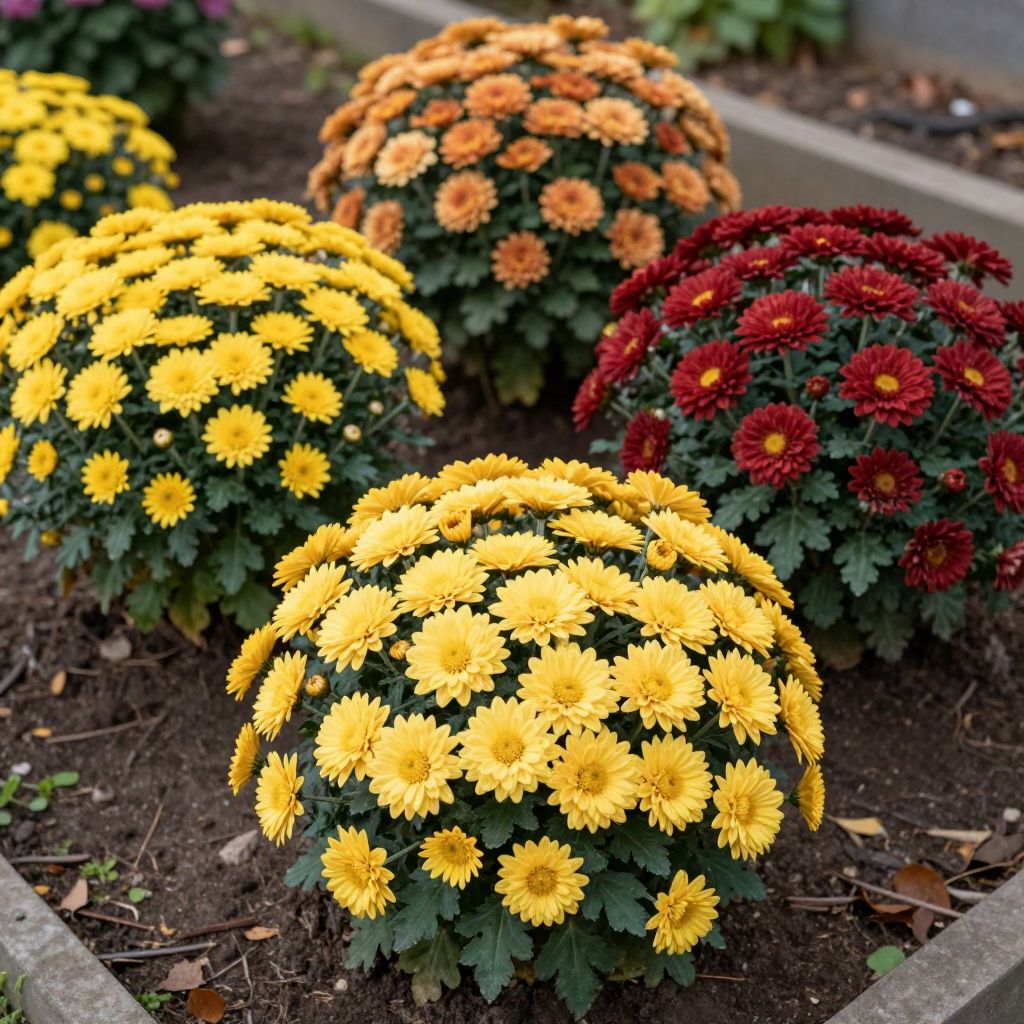
When do mums bloom? For most garden mums, the answer is late summer through fall, with peak flowering often landing from September into October depending on your climate, day length, and variety. Some early types start opening in late summer, while others hold buds until cooler nights arrive.
If you want mums to bloom on time and stay colorful, the key is understanding how they grow, when they set buds, and what can delay flowering. A few simple care choices can make the difference between a full autumn display and a plant that stays leafy but never flowers.
When do mums bloom?
Garden mums, or Chrysanthemum spp., usually bloom in late summer to fall as days shorten and nights cool. Exact timing depends on the cultivar, your local climate, and whether the plant is grown in the ground or in a pot. In many regions, flowering begins in late August or September and can continue until frost.
What affects mum bloom time?
Mums are short-day plants, which means they form flower buds when nights become long enough. That is why they naturally bloom as autumn approaches. Temperature, sun exposure, and plant maturity also affect whether buds form early, late, or not at all.
1. Day length
As summer shifts into fall, longer nights trigger bud formation. If mums are exposed to artificial light at night from porch lights, streetlights, or bright indoor lighting, blooming can be delayed.
2. Temperature
Cooler nights encourage flowering, while prolonged heat can slow it down. Very warm weather may keep plants in leafy growth instead of bud development.
3. Variety
Different mums bloom at different times. Some are bred for early fall color, while others flower later and last longer into the season.
4. Plant age and pinching
Young plants and heavily pinched plants often bloom later because they spend more time branching before setting buds. That is useful if you want a fuller plant, but it can delay flowers.
How to tell when your mums are about to bloom
Before mums flower, you will usually see tight green buds forming at the tips of stems. The plant may look rounder and denser as buds develop. Once buds begin to show color, flowering is close.
- Leafy growth only: The plant is still in vegetative growth.
- Small rounded buds: Bud formation has started.
- Buds with color showing: Blooming is near, often within days to a couple of weeks.
- Open flowers: Peak display has begun.
How to grow mums for reliable blooming
If you want mums to bloom well, give them strong sun, fertile soil, and steady moisture without waterlogging. Healthy plants are much more likely to set buds on time and produce a full display.
Sunlight
Plant mums where they receive at least 6 hours of direct sun daily. More sun usually means sturdier stems and better flowering. In very hot climates, a little afternoon shade can reduce stress, but too much shade often leads to weak growth and fewer blooms.
Soil and drainage
Mums prefer well-drained soil enriched with compost. Heavy, soggy soil can cause root problems and reduce flowering. If your soil stays wet after rain, raise the planting area or mix in organic matter to improve drainage.
Watering
Keep soil evenly moist, especially while buds are forming. Letting mums dry out repeatedly can cause buds to stall or drop. At the same time, avoid constantly wet soil, which can invite root rot.
- Water at the base of the plant rather than overhead when possible.
- Check container mums more often, since pots dry out faster than garden beds.
- Mulch lightly around outdoor plants to help hold moisture and moderate soil temperature.
Feeding
Use compost or a balanced fertilizer early in the season if your soil is poor, but avoid overfeeding with nitrogen once buds begin to form. Too much nitrogen can encourage leafy growth at the expense of flowers.
Planting mums at the right time
The best planting time depends on your goal. If you are buying mums for fall color, you can plant them in late summer or early fall, but they may be better treated as seasonal display plants in colder areas. If you want long-term garden mums, plant them earlier in the growing season so roots can establish before bloom time.
For fall displays
Planting in late summer or early fall can work well if you want immediate color. Choose a plant with many unopened buds rather than one already in full bloom, so you get a longer show.
For perennial growth
If you want mums to return next year, plant them in spring or early summer where they have time to root in before fall. This gives them a better chance to survive winter and bloom again.
How to keep mums blooming longer
You can extend the flowering period by protecting plants from stress and removing spent blooms. While no mum blooms forever, good care can help the display last longer.
- Deadhead faded flowers to keep the plant looking tidy and encourage remaining buds to open.
- Water consistently so buds do not dry out.
- Keep plants in full sun for strong stems and better flower color.
- Protect potted mums from strong wind and heavy rain, which can flatten blooms.
- Move containers to a slightly sheltered spot if frost is forecast and you want to stretch the season.
Why mums sometimes do not bloom
If your mums stay green and never flower, the cause is usually one of a few common issues. The good news is that most are fixable once you identify the problem.
Too much light at night
Streetlights, porch lights, and indoor light can interrupt bud formation. If possible, move potted mums to a darker location at night or shield them from bright light sources.
Too much nitrogen
High-nitrogen fertilizer can produce lots of leaves and very few flowers. If the plant is lush but not budding, stop feeding heavily and wait for natural flowering conditions.
Pruning too late
Pinching mums in early summer helps create a fuller plant, but pruning after midseason can remove developing buds. Once buds are visible, avoid cutting the plant back.
Not enough sun
Shade can delay or reduce blooming. Move the plant to a brighter location if possible.
Heat stress
In hot weather, some mums pause bud development. Consistent watering and a cooler site can help, but flowering may still wait until temperatures ease.
Indoor vs. outdoor mums
Most mums sold in autumn are grown for seasonal color, not as long-term houseplants. They bloom best outdoors in bright light and cool conditions. Indoors, they often fade faster unless placed in a very bright, cool room.
Outdoor mums
Outdoor mums usually perform best in a sunny bed or large container. They are more likely to bloom fully and last longer when exposed to natural day length and cooler fall nights.
Indoor mums
If you bring a blooming mum indoors, place it near a bright window and keep it away from heaters. Warm, dry indoor air can shorten bloom life. Water when the top inch of soil feels dry, but do not let the pot sit in water.
Common pests and diseases that affect blooming
Healthy foliage supports better flowering, so it helps to watch for pest and disease problems that weaken the plant. Early action usually prevents serious damage.
- Aphids: Can distort new growth and weaken buds. Rinse off with water or use insecticidal soap if needed.
- Spider mites: More common in hot, dry conditions. Look for fine speckling and webbing on leaves.
- Powdery mildew: A white coating on leaves, often worse in crowded, humid plantings.
- Root rot: Caused by poor drainage or overwatering. Leaves may wilt even when soil is wet.
To reduce problems, space plants so air can move around them, avoid wetting foliage late in the day, and remove badly affected leaves when needed.
Simple seasonal care calendar for mums
Use the season as your guide rather than a fixed calendar date, since bloom timing changes with climate.
- Spring: Plant established mums or divide old clumps if your climate allows.
- Early summer: Pinch stems back if you want bushier plants and later, fuller bloom.
- Midsummer: Keep watering steady and stop major pruning once buds begin to form.
- Late summer to fall: Enjoy bloom time, deadhead spent flowers, and protect plants from stress.
- After flowering: In mild climates, leave foliage in place until it dies back naturally; in colder areas, mulch or protect as needed.
Best practices for potted mums
Container mums often bloom beautifully because they are sold at the right stage for fall color, but pots dry out quickly. Check them often and choose a container with drainage holes.
- Use a potting mix that drains well.
- Do not let the pot sit in a saucer of water.
- Rotate the pot occasionally so all sides get even sun.
- Deadhead regularly to keep the display neat.
Conclusion
So, when do mums bloom? Most bloom in late summer through fall, with the strongest flowering triggered by shorter days and cooler nights. If you give them sun, drainage, and steady moisture, you can usually enjoy a long, colorful display at the right time for your climate.
If you want to plan your fall garden more effectively, it also helps to read about how to care for chrysanthemums after bloom and best fall container plants for sunny spots.