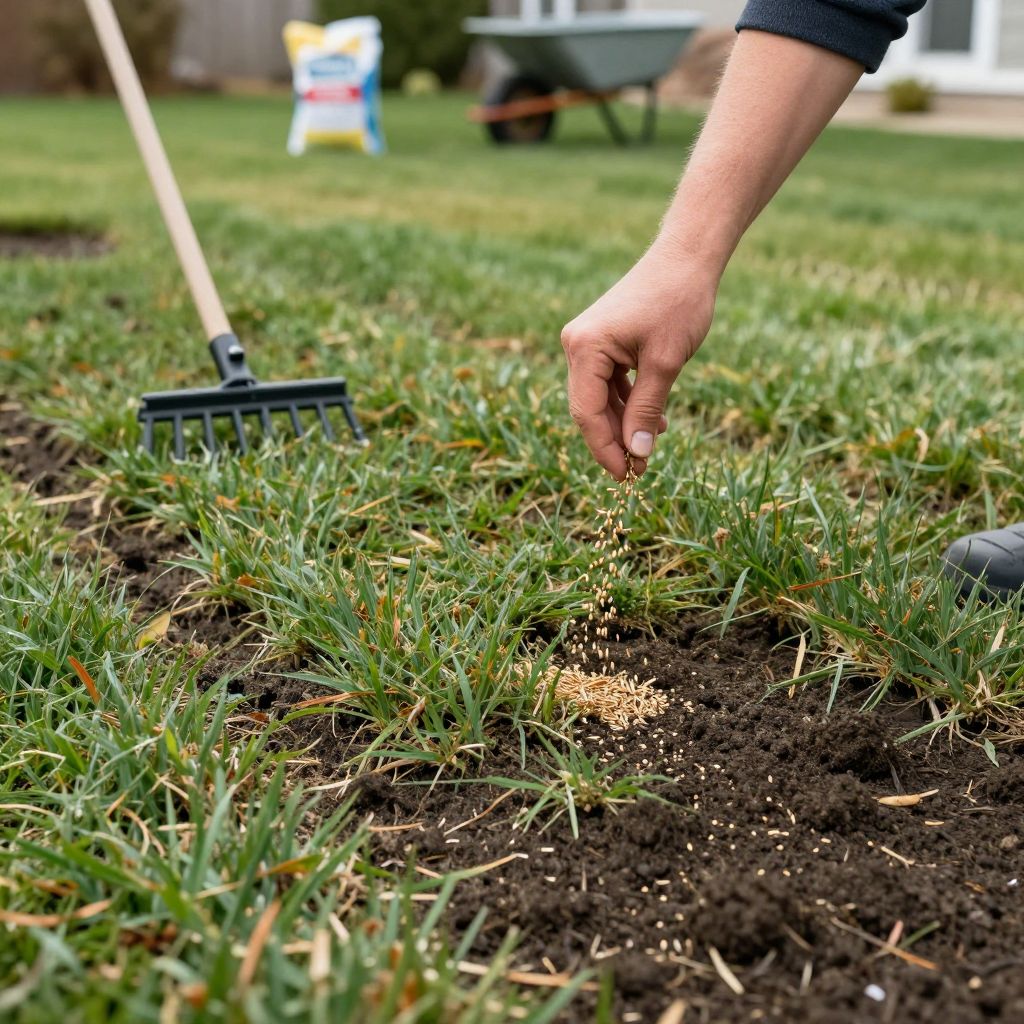
Wondering when to put grass seed down so it actually sprouts and fills in well? Timing matters more than many gardeners realize, because grass seed needs the right soil temperature, moisture, and light to germinate reliably.
The best time to seed depends on your climate and the type of lawn you want to establish, but in many areas early fall is ideal for cool-season grasses and late spring to early summer suits warm-season grasses. The goal is to match seed to active growing conditions, not just the calendar.
When to put grass seed down?
The best time to put grass seed down is when soil temperatures and weather support quick germination and steady growth. For cool-season grasses, seed in early fall or early spring; for warm-season grasses, seed in late spring through early summer after the soil has warmed. Avoid extreme heat, hard frost, and long dry spells.
Choose the right season for your grass type
Grass seed timing depends first on whether you are growing a cool-season or warm-season lawn. If you seed at the wrong time, the seed may germinate poorly, dry out, or struggle before it can establish roots.
Cool-season grasses
Cool-season grasses such as Kentucky bluegrass, perennial ryegrass, tall fescue, and fine fescues grow best in cooler weather. Their strongest seeding window is usually late summer to early fall, when soil is still warm but air temperatures are easing.
Fall seeding gives seedlings time to root before winter and usually means less weed pressure than spring. In many regions, this is the most dependable time to establish or overseed a lawn.
Early spring can work too, but seedlings may face heat stress and competition from summer weeds before they are fully established. If you seed in spring, do it as soon as the soil is workable and before hot weather arrives.
Warm-season grasses
Warm-season grasses such as Bermuda grass, zoysia, centipedegrass, and St. Augustine are best seeded or established when the soil is consistently warm. For seedable warm-season types, the usual window is late spring through early summer.
These grasses need heat to germinate and grow vigorously. If you seed too early, cool soil slows sprouting and can increase rot or washout risk.
Why soil temperature matters more than air temperature
Air may feel mild, but seed responds to soil conditions. A simple soil thermometer can help you avoid guessing, especially in spring and fall when temperatures swing quickly.
- Cool-season grass seed generally germinates best when soil is cool to moderate, not hot.
- Warm-season grass seed needs warm soil to sprout and establish quickly.
- Moist soil is essential, but soggy soil can cause seed to rot or wash away.
How to time seeding by season
If you are unsure when to put grass seed down in your area, use the season as a guide and then adjust for local weather. Your exact timing should reflect frost dates, rainfall patterns, and how long your lawn has before stressful weather returns.
Fall seeding
Fall is often the best time for cool-season lawns because soil is still warm from summer, weeds are slowing down, and cooler air reduces stress on new seedlings. Seed early enough that grass has several weeks of growth before the first hard frost.
Fall is also a good time to overseed thin lawns, repair bare patches, and improve turf density. If you wait too late, seedlings may not establish enough roots to survive winter well.
Spring seeding
Spring seeding can be successful, especially if you missed the fall window or need to repair winter damage. The key is to seed early enough that the grass can establish before summer heat and drought arrive.
Spring lawns often need more weed control attention because many weeds germinate at the same time as grass seed. Be careful with herbicides, since some products can prevent grass seed from sprouting.
Summer seeding
Summer is usually the hardest time to seed cool-season grasses because heat and dry weather increase failure risk. It can work only if you can water consistently and protect the seedbed from scorching conditions.
For warm-season grasses, summer may be the right time, especially in warmer climates. Even then, avoid seeding during extreme heat waves or when prolonged dry weather is expected.
Winter seeding
In most climates, winter is not a good time to put grass seed down outdoors. Cold soil slows or stops germination, and seed may sit idle, rot, or be eaten by birds and other wildlife.
There is one exception in some regions: dormant seeding, where seed is applied late in the season so it lies in place and germinates naturally when conditions improve in spring. This can work, but it is less predictable than active-season seeding.
How to prepare the lawn before seeding
Good seed-to-soil contact is just as important as timing. Even perfect timing will not help much if the seed lands on compacted soil, thick thatch, or a dusty surface that dries out too fast.
- Test and loosen the soil if the area is compacted. Lightly rake or aerate to open the surface.
- Remove debris such as sticks, stones, and thick dead grass.
- Level low spots so water does not pool and drown seed.
- Add a thin layer of compost if the soil is poor or very sandy. A light topdressing can improve moisture retention and seed contact.
- Rake seed in lightly so it is covered by a very thin layer of soil or compost.
- Mulch lightly with clean straw or a seed-starting mulch if wind or birds are a problem.
For bare patches, roughen the soil surface before seeding. Seed that sits on smooth, hard ground often dries out or washes away.
How to water grass seed the right way
New grass seed needs consistent moisture, but not flooding. The top layer of soil should stay evenly damp until germination begins, then gradually transition to deeper, less frequent watering as seedlings grow.
Before germination
Water gently enough that you do not move the seed. Light misting or a fine spray is usually better than a strong stream. If the surface dries out even once during germination, sprouting can become uneven.
After germination
Once seedlings appear, keep the soil moist but not saturated. As roots grow, you can water less often and a little deeper to encourage stronger root systems.
Do not let new seedlings dry out in hot, windy weather. Young grass has shallow roots and can fail quickly if moisture disappears for even a short period.
Common mistakes when seeding grass
Many lawn failures come from timing mistakes rather than bad seed. Avoiding a few common problems can make a big difference in how well your lawn fills in.
- Seeding too early in cold soil, which slows germination.
- Seeding too late in the season, leaving seedlings vulnerable to heat or frost.
- Using the wrong grass type for your climate.
- Skipping soil preparation, especially on compacted ground.
- Watering inconsistently, which leads to patchy germination.
- Applying weed control too soon after seeding.
- Covering seed too deeply, which can prevent emergence.
How to tell if your timing is right
You do not need a perfect calendar date to seed successfully. Watch your local conditions and look for signs that the lawn is ready.
- The soil is workable and not waterlogged.
- Temperatures are in the grass’s preferred range.
- Rain is expected lightly and steadily, not in a washout.
- You can water regularly for the next few weeks if needed.
- There is enough time before extreme summer heat or winter cold.
If you are overseeding an existing lawn, mow slightly lower than usual before seeding, but do not scalp the turf. A shorter canopy helps seed reach the soil, while still leaving enough grass to protect the area.
Troubleshooting poor germination
If your grass seed is not sprouting, timing is one of the first things to check. Even good seed can fail if the soil is too cold, too hot, too dry, or too wet.
Seed is not sprouting
Possible causes include old seed, poor soil contact, shallow watering, or temperatures outside the ideal range. Check the seed label for germination expectations and make sure the seed was stored properly before use.
Seedlings are thin or patchy
Patchy results often mean the seedbed dried unevenly or the seed was spread too lightly in some areas. Lightly overseed thin spots and keep the surface evenly moist until new grass fills in.
Birds or runoff are removing seed
Use a light mulch cover, press the seed into the soil with a roller or the back of a rake, and water gently. On slopes, consider erosion-control blankets or a tackifier designed for seed stabilization.
Weeds are taking over
Weeds can outcompete young grass, especially in spring. Hand-pull small weeds carefully, and avoid herbicides unless the product label specifically says it is safe for newly seeded lawns.
Tools that make seeding easier
A few basic tools can improve results and make the job less frustrating. You do not need specialized equipment, but the right tools help you seed more evenly and care for it properly.
- Broadcast or drop spreader for even seed distribution
- Garden rake for loosening soil and covering seed lightly
- Soil thermometer for better seasonal timing
- Hose nozzle or sprinkler with a gentle spray pattern
- Compost or topsoil for improving poor spots
Final advice for better lawn establishment
If you are still asking when to put grass seed down, the safest answer is to seed when your grass type is actively ready to grow and when you can keep the soil evenly moist. For most cool-season lawns, that means fall; for many warm-season lawns, that means late spring to early summer.
Before you seed, check your local weather, prepare the soil, and plan for steady watering. If you want to keep improving your lawn, you may also find it helpful to read more about lawn renovation, overseeding, and soil preparation before your next seeding project.