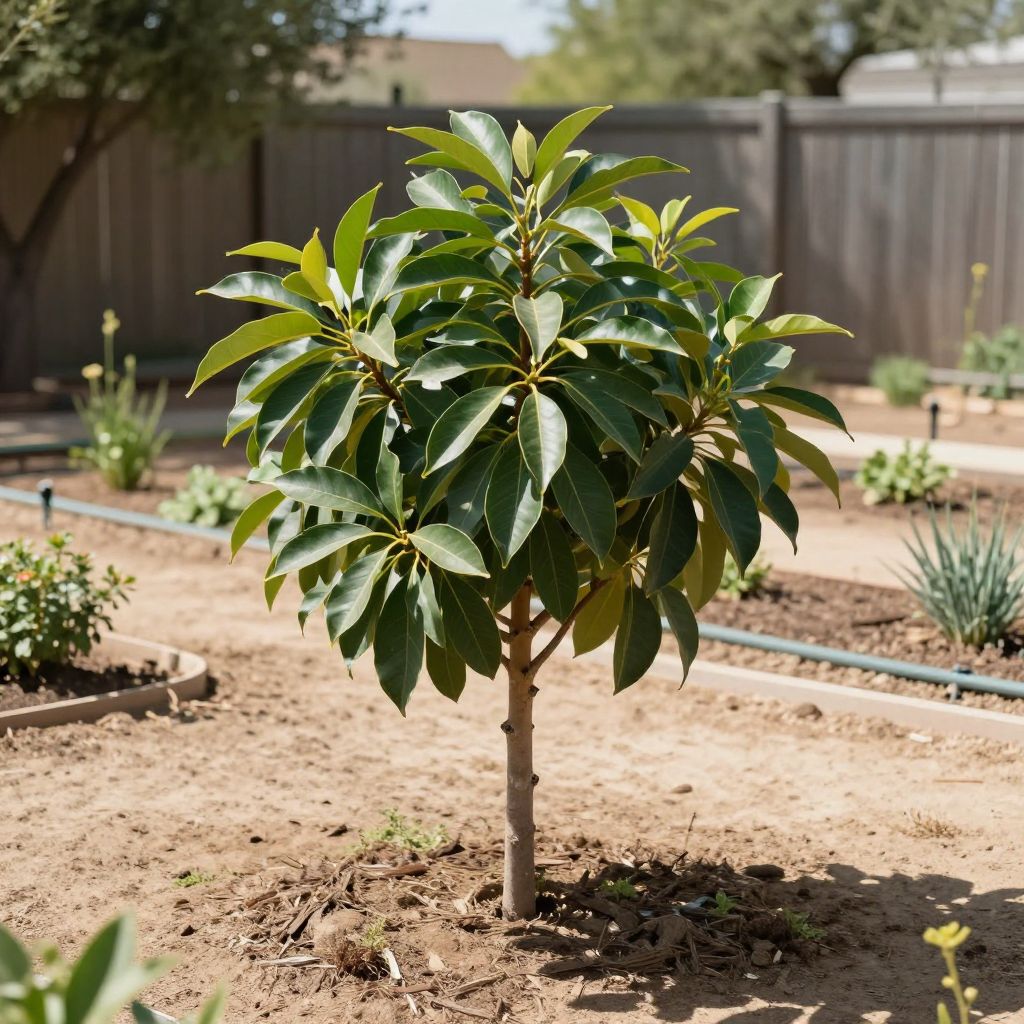
Can avocado tree grow in Texas? Yes, in some parts of Texas it can, but success depends on where you live, how cold your winters get, and whether you choose the right type of avocado. In the warmest Texas microclimates, avocados can be grown outdoors with care.
For most Texas gardeners, the bigger challenge is winter cold, not summer heat. If you want a productive tree, you need excellent drainage, wind protection, and a plan for freeze events.
Can avocado tree grow in Texas?
Yes, an avocado tree can grow in Texas, especially in South Texas and other frost-light areas, but it is not a carefree landscape tree statewide. Avocados are sensitive to freezing temperatures, so your chances improve greatly if you have a protected site, well-drained soil, and a variety suited to your local climate.
Where avocado trees do best in Texas
Texas is a big state, and avocado success varies a lot by region. The warmest coastal and southern areas are the most promising for outdoor planting, while central and northern Texas usually require container growing or a highly protected microclimate.
Best conditions to look for
- Long, warm growing season
- Low risk of hard freezes
- Protection from north winds
- Fast-draining soil or raised beds
- Space away from cold pockets and low spots
If your yard regularly sees freezing temperatures, especially hard freezes, an avocado tree may survive only with significant protection or may be better grown in a large container that can be moved.
Microclimates matter
In Texas, a sheltered south-facing wall, courtyard, or spot near a structure can make a real difference. These areas often stay a few degrees warmer than open ground and can reduce cold damage.
Just avoid planting where cold air settles, such as the bottom of a slope or a low drainage area. Avocados dislike both cold and wet feet.
Choosing the right avocado type for Texas
Not every avocado is equally suited to Texas. Mexican-type avocados are generally the most cold-tolerant, while many popular grocery-store avocados are more tender and better suited to very mild climates or containers.
What to ask for at the nursery
- A cold-hardy avocado type or cultivar
- A tree with a strong, healthy root system
- Grafted trees rather than seed-grown trees for faster fruiting
- Clear information on mature size and pollination type
Grafted trees are usually the better choice if you want fruit sooner and more predictable performance. Seed-grown avocados can take many years to fruit and may not resemble the parent fruit.
Soil, drainage, and planting site
Drainage is one of the most important factors for avocado trees in Texas. Avocados are highly prone to root problems in heavy clay or waterlogged soil, which is common in many parts of the state.
Ideal soil conditions
- Loose, well-aerated soil
- Good drainage after rain
- Moderately acidic to near-neutral pH is generally preferred
- Organic matter mixed into the top layer, not buried deeply around the roots
If your soil is heavy clay, consider planting on a raised mound or berm. A mound helps keep the root zone above standing water and improves oxygen around the roots.
How to plant
- Choose a site with full sun and wind protection.
- Dig a hole only as deep as the root ball and wider than the container.
- Set the tree so the top of the root ball is slightly above grade.
- Backfill with native soil unless your soil is extremely poor; avoid creating a “pot” of amended soil that traps water.
- Water thoroughly to settle the soil.
- Mulch the surface, keeping mulch a few inches away from the trunk.
Do not plant avocado too deep. Burying the trunk flare can encourage rot and slow establishment.
Watering avocado trees in Texas
Young avocado trees need consistent moisture, but they should never sit in soggy soil. In Texas heat, newly planted trees may need closer attention, especially during windy weather and dry spells.
Watering guidelines that actually help
- Water deeply, then let the upper soil begin to dry before watering again.
- Check soil moisture with your finger or a small trowel before watering.
- Water more often during establishment, heat waves, and drought.
- Water less often in cool, cloudy, or rainy periods.
For container-grown avocados, drainage holes are essential. Pots dry out faster than ground soil, so container plants usually need more frequent monitoring.
Common watering mistakes
- Frequent shallow watering that keeps roots near the surface
- Leaving the tree in a saucer of standing water
- Letting newly planted trees dry out completely
- Overwatering heavy clay soil without checking drainage
Sunlight, heat, and wind protection
Avocados need plenty of sun to grow well and set fruit, but young trees can suffer from intense Texas sun and hot, drying winds. A little protection during establishment can prevent leaf scorch and stress.
Best exposure
Full sun is usually best for mature trees, but newly planted trees may benefit from temporary afternoon shade during extreme heat. If your site is very exposed, use windbreaks or shade cloth during the first summer.
Wind can dry leaves and snap tender branches. A protected site helps the tree build strength without constant stress.
Fertilizing and mulching
Avocados are not heavy feeders in the way many gardeners expect. Overfertilizing can cause weak growth, leaf burn, or excess salt buildup, especially in hot climates and container plantings.
What helps most
- A 2- to 4-inch layer of organic mulch
- Slow, steady growth rather than forced growth
- Occasional soil testing if growth is weak or leaves are pale
- Balanced nutrition based on local soil conditions
Keep mulch several inches away from the trunk to prevent rot. Mulch helps moderate soil temperature, conserve moisture, and reduce weed competition.
Pruning avocado trees
Pruning avocado trees in Texas is mostly about shaping, size control, and removing damaged wood. Heavy pruning is usually unnecessary and can expose bark to sunburn or encourage excessive leafy regrowth.
Simple pruning goals
- Remove dead, broken, or diseased branches
- Open the canopy slightly for light and air movement
- Keep the tree at a manageable height
- Prevent branches from rubbing or crowding each other
Prune lightly rather than cutting back hard. If freeze damage occurs, wait until new growth shows what is truly dead before removing wood.
Cold protection and freeze care
Freeze protection is the key issue for avocado trees in Texas. Even a short cold snap can damage leaves, stems, or the entire tree depending on the temperature, duration, and tree age.
How to protect a tree before cold weather
- Water the soil well before a freeze, if the soil is dry.
- Apply mulch to help buffer root temperatures.
- Wrap young trunks with breathable material if needed.
- Cover the tree with frost cloth or a blanket that reaches the ground during cold nights.
- Remove covers during the day so the tree can breathe and receive light.
For container trees, move them to a protected spot such as a garage, porch, or sheltered patio when temperatures threaten freezing.
What freeze damage looks like
- Blackened or wilted leaves
- Soft, darkened stems
- Delayed bud break in spring
- Branch dieback after a cold event
Do not rush to prune immediately after a freeze. Wait until warm weather returns and you can clearly see which wood is alive.
Pests and diseases to watch for
Avocados in Texas can face common insect and disease problems, especially when trees are stressed by heat, cold, or poor drainage. Healthy, well-sited trees are much less likely to have serious issues.
Common problems
- Root rot from poor drainage or overwatering
- Scale insects on stems and leaves
- Mites during hot, dry weather
- Sunburn on young trunks or exposed limbs
- Leaf scorch from salt buildup or drought stress
Root rot is one of the most serious problems because it often starts below ground. If a tree declines despite regular watering, check drainage first before assuming it needs more water.
Prevention tips
- Plant in well-drained soil or on a mound
- Avoid overwatering
- Keep mulch from touching the trunk
- Inspect leaves and stems regularly
- Reduce stress with wind and freeze protection
Growing avocado in a container in Texas
Container growing is often the safest option for gardeners in colder parts of Texas. It gives you control over drainage, soil mix, and winter protection, though it also means more frequent watering and eventual repotting.
Container basics
- Use a large pot with drainage holes
- Choose a light, well-draining potting mix
- Place the container where it gets strong light
- Move it indoors or to shelter during freezes
Repot before the tree becomes rootbound. If roots circle tightly or water runs straight through without soaking in, it may be time for a larger container.
Can you grow avocado from seed in Texas?
You can grow an avocado from seed, but it is usually a long-term experiment rather than the best path to fruit. Seed-grown trees are variable, slow to mature, and often less predictable than grafted trees.
If your goal is a houseplant or a fun project, seed starting can be enjoyable. If your goal is fruit, buy a grafted tree that is better suited to Texas conditions.
Harvesting expectations
Even in a favorable Texas location, avocado fruiting can be inconsistent from year to year. Weather, tree age, pollination, and winter damage all affect crop size.
What to expect
- Young trees may take years before producing fruit
- Cold damage can reduce flowering and fruit set
- Some trees bear lightly one year and more heavily another
- Fruit often ripens off the tree after harvest
Be patient. A healthy tree that survives Texas weather is already a success, and fruiting may improve as the tree matures and settles into its site.
Best practices for Texas gardeners
If you want the best chance of success, focus on the basics: the right site, the right tree, and careful winter protection. Those three factors matter more than any single fertilizer or watering trick.
- Choose a warm, sheltered location
- Plant in well-drained soil or a raised mound
- Use a grafted tree suited to your climate
- Water deeply but avoid soggy soil
- Protect the tree from freezes and wind
- Mulch, but keep mulch off the trunk
If you are still deciding whether avocado is right for your yard, start by observing your winter lows, drainage, and exposure. For more fruit-tree planning ideas, you may also want to read related gardening guides on site selection, pruning, and container growing.