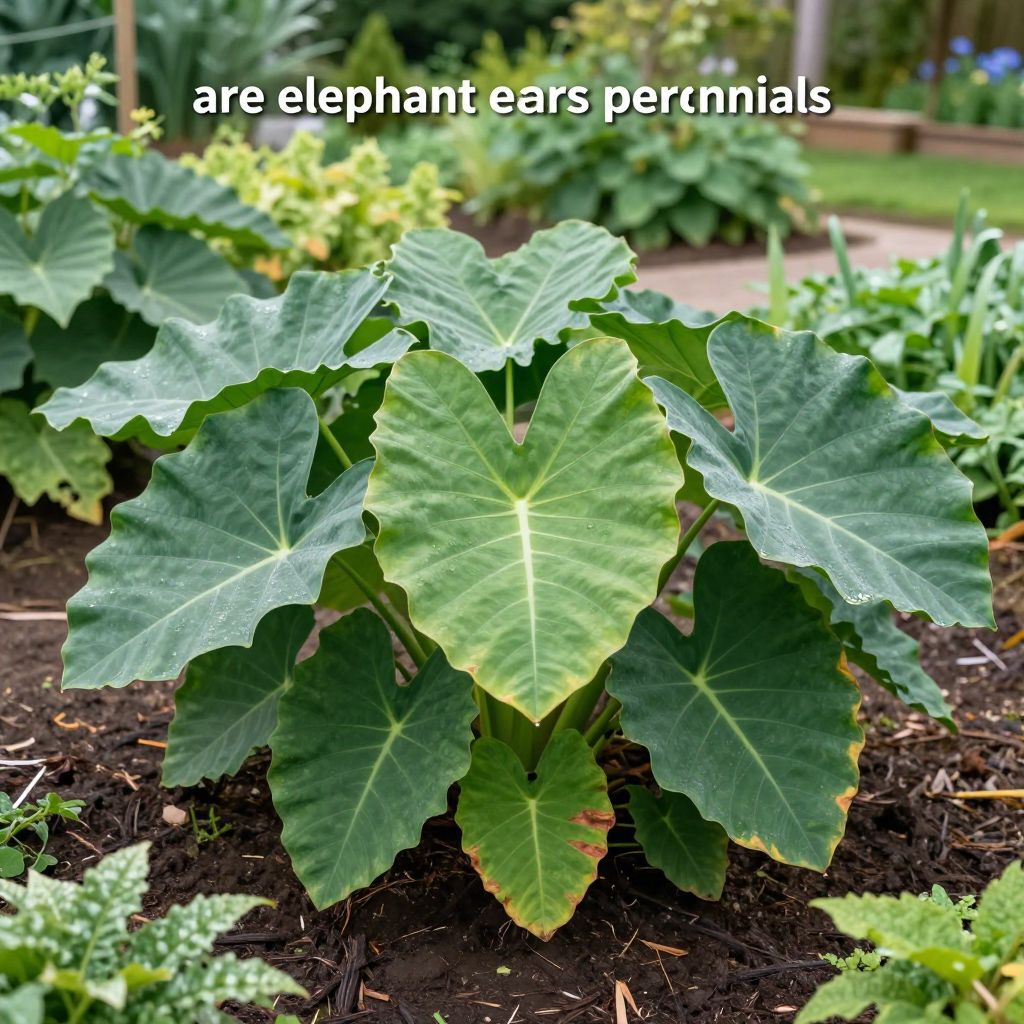
Are elephant ears perennials? In many climates, yes—but it depends on which plant you’re growing and how cold your winters get. “Elephant ears” is a common name for several tropical-looking plants, most often Colocasia, Alocasia, and sometimes Xanthosoma, and their perennial behavior changes with temperature.
If you want these bold, oversized leaves to return year after year, the key is matching the plant to your climate and giving it the right winter care. Here’s how to tell whether elephant ears will come back, and how to grow them well.
Are elephant ears perennials?
Yes, elephant ears can be perennials, but only where winter temperatures stay warm enough for the plant or its tuberous roots to survive. In frost-free or mild-winter areas, they often return from year to year outdoors. In colder regions, many gardeners treat them as tender perennials or annuals and lift the bulbs, corms, or tubers before frost.
What kind of elephant ear do you have?
Before you decide how to overwinter it, identify the plant as best you can. The care and hardiness of elephant ears vary by genus.
Common types
- Colocasia — Often called taro or elephant ear; likes consistently moist soil and can be grown in boggy spots or containers.
- Alocasia — Usually prefers brighter light and more evenly warm conditions; many types are grown as houseplants or patio plants.
- Xanthosoma — Less common in home gardens, but also grown for large leaves and tropical impact.
When gardeners ask, “Are elephant ears perennials?” they usually mean the large-leaved landscape plants sold in spring. Those are often Colocasia types, which may survive year-round in warm climates and die back in cold ones.
How climate affects whether elephant ears come back
The biggest factor is frost. Elephant ears are tender plants, and even a light freeze can damage foliage. In warm climates, the roots or tubers may survive in the ground and resprout in spring. In cold climates, the top growth dies back and the underground parts usually need protection.
General winter behavior
- Warm, frost-free areas: Often perennial outdoors.
- Mild winter areas: May die back and return from roots if protected.
- Cold winter areas: Usually grown as annuals or lifted for winter storage.
If you are unsure about your local conditions, use your average first frost date and winter lows as your guide. Elephant ears are much more likely to survive where the ground does not freeze hard for long periods.
Best growing conditions for healthy elephant ears
Whether you want them to overwinter outdoors or just grow well for one season, the right site matters. Elephant ears grow best when they have rich soil, steady moisture, and enough light to fuel those big leaves.
Sunlight
Most elephant ears do best in bright light with some afternoon protection, especially in hot climates. Some tolerate full sun if the soil stays moist, while others prefer partial shade. Too little light can lead to smaller leaves and weak growth.
Soil
Use fertile, moisture-retentive soil that still drains reasonably well. A planting mix enriched with compost helps hold water and nutrients without becoming compacted. In containers, choose a quality potting mix and avoid heavy garden soil that can suffocate roots.
Water
Elephant ears like consistent moisture. Dry soil can cause drooping, slow growth, or leaf scorch, especially in heat. At the same time, stagnant water around the roots can lead to rot, so drainage still matters.
Temperature
These are warm-season plants. They grow best when nights are mild and the soil has warmed up. Cold soil slows growth, and frost can kill foliage quickly.
How to plant elephant ears for strong growth
Plant elephant ears after your local frost risk has passed and the soil is workable. If you are starting from tubers or corms, planting too early in cold, wet soil can cause rot before growth begins.
- Choose a site with rich soil and the right light level for your climate.
- Work in compost to improve fertility and moisture retention.
- Plant the tuber or corm at the depth recommended for that type, usually a few inches below the surface.
- Water thoroughly after planting.
- Keep the soil evenly moist as new growth appears.
Avoid soggy, cold soil at planting time. That is one of the most common reasons elephant ears fail to sprout or rot before they establish.
Should you grow elephant ears in the ground or in containers?
Both work well, and your climate may decide for you. In colder regions, containers make it easier to move plants indoors or store tubers for winter. In warmer climates, in-ground planting can create a dramatic tropical effect with less daily maintenance.
Container growing advantages
- Easy to move before frost.
- Easier to control moisture and soil quality.
- Good for patios, decks, and small spaces.
In-ground growing advantages
- Plants can grow larger with more root space.
- Soil stays cooler and moister longer.
- Better for landscape borders and focal points.
If your summers are hot and dry, containers may need more frequent watering than garden beds. If your soil drains poorly, raised beds or large pots can help prevent root problems.
How to overwinter elephant ears
If your winters are too cold for elephant ears to survive outdoors, you can still keep them from year to year. The method depends on whether the plant is in a pot or in the ground.
Overwintering potted elephant ears
- Before frost, cut back damaged foliage if needed.
- Move the pot to a bright, frost-free indoor space or cool protected area.
- Reduce watering, but do not let the root ball dry out completely if the plant is still active.
- Watch for pests before bringing it indoors.
Storing tubers or corms
- After frost blackens the foliage, dig up the tubers gently.
- Brush off excess soil and let them dry briefly in a sheltered spot.
- Store in a cool, dry place with air circulation.
- Check them occasionally and remove any that soften or rot.
In colder climates, this is often the most reliable way to keep elephant ears perennial. Storage conditions matter: too damp encourages rot, while too warm can cause shriveling or early sprouting.
Pruning and seasonal maintenance
Elephant ears do not need complicated pruning, but they do benefit from simple cleanup. Remove yellow, damaged, or collapsing leaves to keep the plant tidy and reduce disease pressure.
- Trim dead foliage at the base with clean pruners.
- Remove spent leaves after storms or heat stress.
- Clear fallen debris around the plant to improve airflow.
During the active growing season, regular cleanup helps direct energy into healthy new leaves. If the plant is declining in late season, that may be normal dormancy rather than a problem.
Common problems and how to fix them
Most elephant ear problems come from water, temperature, or pests. Catching the issue early usually makes recovery much easier.
Yellowing leaves
Yellowing can mean overwatering, poor drainage, low light, or natural aging of older leaves. Check the soil first. If it stays wet for long periods, reduce watering and improve drainage.
Drooping leaves
Drooping often means the plant is thirsty, especially in heat. Water deeply and mulch around in-ground plants to help the soil hold moisture. If the soil is already wet, drooping may point to root stress instead.
Leaf scorch
Brown, crispy edges can happen in hot sun, dry wind, or inconsistent watering. Move potted plants to a slightly shadier spot and keep moisture more even.
Rot
Soft stems, foul-smelling soil, or collapsing growth may indicate rot from excess moisture and poor drainage. Remove affected parts and adjust the growing conditions. In severe cases, save only healthy tubers or corms.
Pests
- Aphids — Cluster on tender growth and can be washed off or treated with insecticidal soap if needed.
- Spider mites — More common in hot, dry conditions or indoors.
- Slugs and snails — May chew holes in leaves, especially in damp gardens.
Inspect the undersides of leaves and new growth regularly. Early pest control is easier than trying to repair badly damaged foliage later.
How to divide and propagate elephant ears
One reason elephant ears are often treated as perennials is that they can be propagated from offsets or divided dormant tubers. This is a practical way to refresh older plants and make more plants for your garden.
When to divide
Divide in spring when new growth is starting, or during dormancy if you are lifting tubers for winter storage. Choose healthy sections with visible growth points.
Basic division steps
- Lift the plant carefully or remove the tubers from storage.
- Separate healthy sections with a clean, sharp tool.
- Let cut surfaces dry briefly if needed.
- Replant in warm, prepared soil or potting mix.
Do not divide weak, rotting, or severely shriveled material. Healthy divisions establish much more reliably than damaged ones.
Are elephant ears perennials indoors?
They can be, if you provide enough light, warmth, and humidity. Indoors, elephant ears usually grow more slowly than outdoors and may be more prone to spider mites and leaf drop if the air is dry.
Place them near a bright window with filtered light, keep them away from cold drafts, and water when the top layer of soil begins to dry slightly. Indoors, the plant may not look as dramatic as it does outside, but it can still live for many seasons.
Conclusion: decide whether to treat them as true perennials
So, are elephant ears perennials? In warm climates, yes. In colder regions, they are often tender perennials that need winter protection or storage to return next year. The best next step is to identify your plant, check your local frost risk, and choose the right overwintering method before cold weather arrives.
If you want to compare elephant ears with other tropical foliage plants, you may also enjoy reading about companion planting ideas for bold foliage and container gardening basics for patio plants.