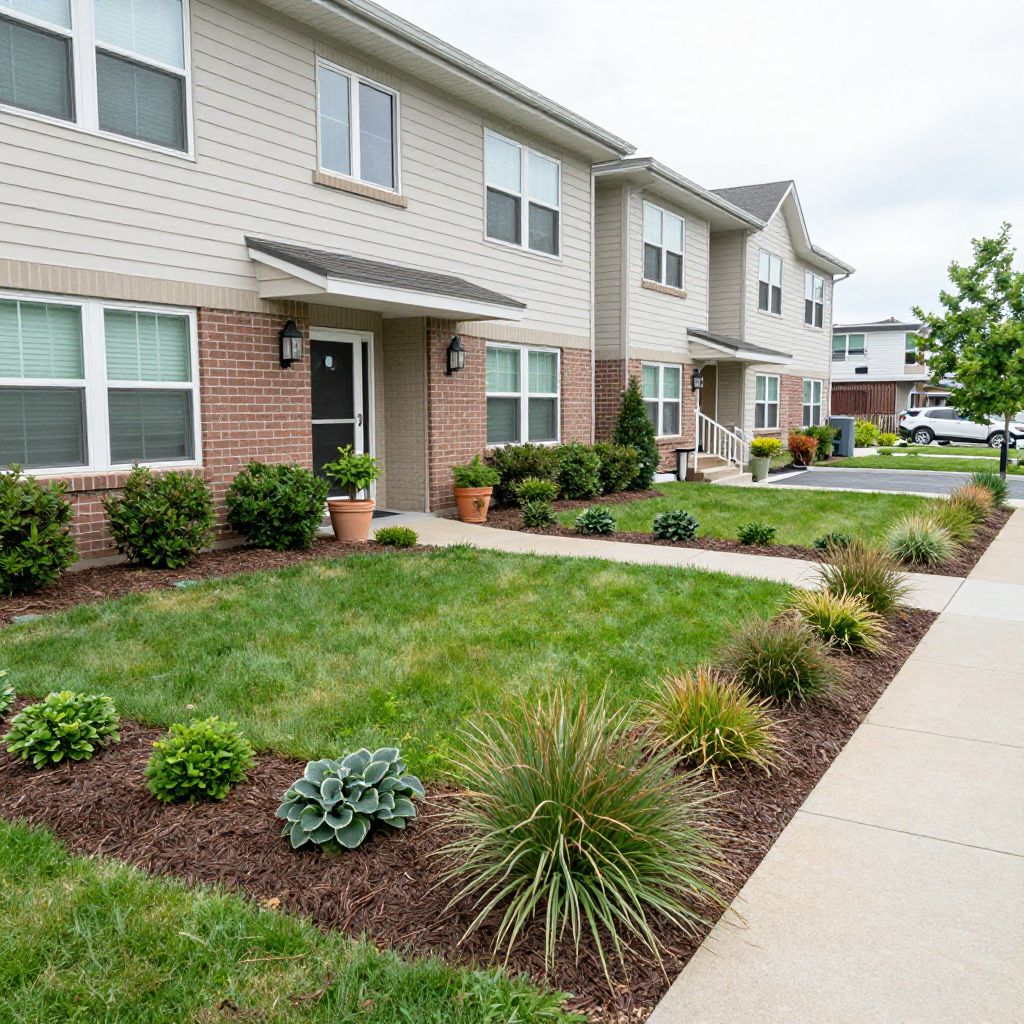
What is a garden style apartment, and does it change how you garden? If you’re trying to identify one or make the most of the outdoor space, the answer matters because these homes usually come with ground-level access, shared landscaping, and limited private planting areas.
With the right plant choices and a few smart maintenance habits, a garden style apartment can support attractive container gardens, small beds, and easy-care greenery without creating drainage, pest, or neighbor issues.
What is a garden style apartment?
A garden style apartment is a low-rise apartment home, usually with exterior entrances and landscaped grounds rather than a high-rise tower layout. For gardeners, the key feature is often direct access to a patio, small yard, or common green space, which can offer more planting opportunities than a typical upper-floor apartment.
How to identify a garden style apartment
Garden style apartments are usually part of a low-rise complex with walkways, lawns, shrubs, and shared outdoor space. They may have one or two stories, exterior doors, and ground-level patios or small fenced areas that can support container gardening or light landscaping.
Common identifying features
- Ground-level or near-ground access instead of elevator access.
- Exterior entrances that open directly outside.
- Shared landscaping such as lawns, hedges, trees, and foundation plantings.
- Patios, balconies, or small private yards in some units.
- Lower building height than a typical tower apartment.
Why this matters for gardening
Garden style apartments usually get more natural light and easier access to soil-level outdoor areas than upper-floor units. That can make them better suited to herbs, flowers, compact vegetables, and ornamental containers, but it also means you need to think about runoff, shared spaces, and maintenance rules.
What can you grow in a garden style apartment?
You can grow many plants in a garden style apartment if you match the plant to the light, container size, and exposure. Herbs, annual flowers, compact vegetables, shade-tolerant foliage plants, and small shrubs in containers are all realistic choices when the space and climate allow.
Best plant types for small apartment gardens
- Herbs: basil, parsley, chives, thyme, mint in its own pot.
- Leafy greens: lettuce, spinach, arugula, kale in cooler seasons.
- Compact flowers: marigolds, petunias, begonias, impatiens, calendula.
- Container vegetables: bush beans, dwarf peppers, cherry tomatoes, radishes.
- Shade plants: ferns, hostas in larger containers, coleus, heuchera.
Choose plants based on the actual conditions of your apartment, not just the label. A sunny patio can support fruiting crops, while a shaded north-facing entry may be better for foliage plants and shade-tolerant flowers.
How to garden successfully in a garden style apartment
Start by observing your site for light, wind, drainage, and access to water. Then choose containers or beds that fit the space, use quality potting mix, and group plants by similar needs so you can water and maintain them efficiently.
Step 1: Check your light
Watch the space at different times of day. Full sun means about 6 or more hours of direct light, partial sun or part shade means around 3 to 6 hours, and shade means less than 3 hours of direct sun.
Light levels determine what will thrive. Tomatoes and peppers need stronger sun, while many herbs and leafy greens can handle less intense light.
Step 2: Confirm drainage
Drainage is one of the biggest issues in apartment gardening. Containers must have drainage holes, and patios or small yards should not trap water after rain.
- Use pots with open drainage holes.
- Raise containers slightly with pot feet or bricks.
- Do not let saucers stay full of water for long periods.
- If planting in a shared bed, avoid compacting the soil by stepping in it.
Step 3: Use the right soil
For containers, use a high-quality potting mix rather than garden soil. Potting mix drains better and stays lighter, which helps roots breathe and reduces compaction in pots.
If you have a small in-ground bed, improve it with compost before planting. A 2- to 3-inch layer worked into the top few inches of soil can improve structure and moisture retention in many home garden settings.
Step 4: Match container size to the plant
Small pots dry out quickly and can restrict root growth. Larger containers hold moisture longer and are more forgiving for beginners.
- Herbs: often do well in 6- to 10-inch pots, depending on the plant.
- Leafy greens: shallow but wider containers work well.
- Tomatoes and peppers: need larger pots for stable growth.
- Mixed planters: choose plants with similar water and light needs.
Watering and feeding in apartment gardens
Container plants usually need more frequent watering than in-ground plants because pots dry out faster, especially in sun and wind. Check moisture with your finger rather than following a fixed schedule, and water deeply when the top inch or two of mix feels dry.
Simple watering rules
- Water until it runs from the drainage holes.
- Empty saucers after watering if they collect excess water.
- Water early in the day when possible to reduce stress and evaporation.
- Increase frequency during hot, windy, or very sunny weather.
Feeding depends on the plant and container. Many container plants benefit from a balanced fertilizer or compost top-dressing during the growing season, but avoid overfeeding, which can cause weak growth and more pests.
Signs you may be over- or under-watering
- Too much water: yellowing leaves, soggy soil, fungus gnats, root rot.
- Too little water: wilting, crispy leaf edges, dry pulled-away soil, stunted growth.
Practical layout ideas for a garden style apartment
Keep the design simple and easy to maintain. In a small space, a few well-placed containers usually look better and perform better than a crowded collection of mismatched pots.
Good setup options
- Patio herb corner: a few pots near the door for easy harvesting.
- Vertical display: shelves, plant stands, or wall planters where allowed.
- Mixed container bed: one large planter with flowers and trailing plants.
- Privacy planting: taller container plants to soften views, if permitted.
Leave enough room for airflow and access. Crowded plants are harder to water, more prone to disease, and easier to damage when you move around them.
Common problems in garden style apartment gardening
Most problems come from limited space, reflected heat, shared maintenance, or inconsistent care. The good news is that these issues are manageable once you know what to look for.
Pests
Container plants can attract aphids, spider mites, whiteflies, slugs, and fungus gnats. Check leaf undersides and new growth regularly, especially in warm weather.
- Rinse small infestations off with a strong spray of water.
- Remove badly damaged leaves.
- Keep the area free of fallen leaves and debris.
- Avoid leaving standing water in trays.
Diseases
Poor airflow and wet foliage can encourage powdery mildew, leaf spots, and root problems. Water the soil, not the leaves, when possible, and space plants so air can move around them.
Heat and wind stress
Patios and ground-level corners can become hotter than expected, especially near walls or pavement. Containers may need more frequent watering, and some plants may need afternoon shade or wind protection.
Rule and neighbor issues
Before adding structures, check your lease or community rules. Some apartments restrict digging, railing planters, trellises, or items that change the exterior appearance.
Never assume you can plant directly into shared ground unless you have clear permission. Use containers when in doubt.
Maintenance tips that make apartment gardening easier
Small gardens stay attractive when you keep tasks simple and regular. A few minutes of attention each week is usually better than long, infrequent cleanup sessions.
- Remove dead flowers and yellow leaves.
- Rotate pots so plants grow evenly toward the light.
- Check drainage after heavy rain.
- Inspect for pests on the undersides of leaves.
- Refresh mulch or top-dress containers if the surface dries quickly.
If you want a low-maintenance setup, choose sturdy plants that tolerate some drying between waterings and avoid mixing high-care species with drought-tolerant ones in the same container.
When to repot, divide, or replace plants
Container plants eventually outgrow their pots or lose vigor. Repot when roots circle the container, water runs through too quickly, or growth slows despite good light and care.
Many perennials and herbs can be divided or refreshed, but some annuals are simply replaced each season. If a plant becomes leggy, diseased, or chronically rootbound, replacing it is often easier than trying to rescue it.
Conclusion
A garden style apartment gives you a practical chance to garden at ground level, but success depends on light, drainage, container choice, and regular care. Start with one or two easy plants, observe how your space behaves in sun and rain, and build from there.
If you want to expand your apartment garden, look for more guidance on container gardening basics and choosing the right potting mix to keep your plants healthy in a small space.