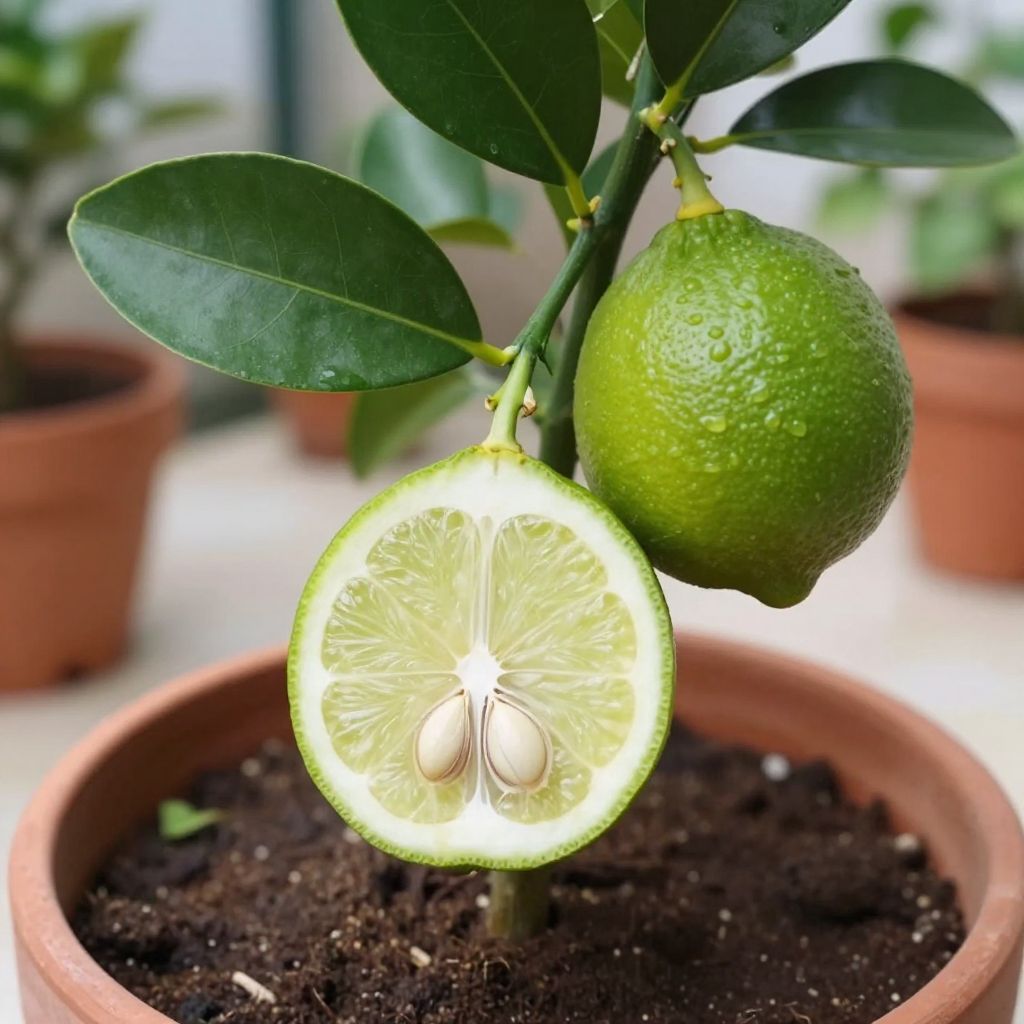
Do limes have seeds? Yes, many limes do, but not all of them. Some lime fruits contain several seeds, while others are nearly seedless depending on the variety, growing conditions, and whether the fruit was pollinated well. If you are growing a lime tree, seed presence can affect how you propagate it and what kind of fruit you can expect.
Understanding seediness is useful whether you want to grow a lime from seed, choose a better variety for the garden, or simply know what to expect at harvest. Lime trees are rewarding citrus plants, but they do best with the right light, soil, drainage, and care.
Do limes have seeds?
Many limes have seeds, but the number varies widely by type. Key limes are often seeded, while some Persian limes are usually seedless or nearly seedless. Seed count can also change with pollination, nearby citrus varieties, and fruit maturity, so one tree may produce fruit with different seed levels from season to season.
Why some limes have seeds and others do not
Seed formation in limes depends on how the flower was pollinated and which variety you are growing. Some citrus types naturally produce more seeds, while others are selected for fewer seeds or none at all.
Common reasons lime fruit has seeds
- Variety genetics: Some lime types naturally develop seeds.
- Cross-pollination: Bees or other pollinators can move pollen from another citrus tree, increasing seed formation.
- Fruit maturity: Fully developed fruit is more likely to contain mature seeds.
- Growing conditions: Stress can affect flower and fruit development, though it does not always reduce seeds.
Seeded vs. seedless limes
Seedless does not always mean completely seed-free. In citrus, “seedless” often means very few seeds under normal conditions. Even those fruits can sometimes develop a seed or two if they are pollinated by another compatible citrus nearby.
Can you grow a lime tree from seed?
Yes, you can grow a lime from seed, but the results are unpredictable. A seed-grown lime tree may not produce fruit identical to the parent plant, and it can take many years to flower. For reliable fruit quality, most gardeners use grafted lime trees instead of seedlings.
What to expect from seed-grown limes
- They may grow into healthy citrus trees.
- They may take a long time to bear fruit.
- The fruit may differ in flavor, size, or seediness from the original lime.
- They are best for experimentation, not guaranteed harvests.
How to start lime seeds indoors
- Remove seeds from a ripe lime and rinse off all pulp.
- Plant the seeds about 1/2 inch deep in a moist, well-draining seed-starting mix.
- Keep the container warm and bright, but out of harsh direct sun.
- Maintain even moisture without soaking the mix.
- Transplant seedlings once they have several true leaves and strong roots.
If you grow lime from seed indoors, use a pot with drainage holes and avoid heavy garden soil. Citrus seedlings dislike soggy roots, and poor drainage can quickly lead to rot.
Best growing conditions for healthy lime trees
Healthy lime trees are more likely to flower well and produce good fruit. Whether you grow them in a container or in the ground, focus on warmth, sunlight, drainage, and consistent care.
Sunlight
Limes need full sun for best growth and fruiting. Outdoors, aim for at least 6 to 8 hours of direct sun daily. Indoors, place the tree in the brightest window you have, usually south- or west-facing, or supplement with a strong grow light if natural light is limited.
Soil and drainage
Lime trees prefer loose, well-draining soil that holds some moisture but never stays waterlogged. A slightly acidic to neutral pH is generally suitable for citrus. If your soil is heavy clay, improve it with compost and plant in a raised bed or mound to help drainage.
Watering
Water deeply, then let the top layer of soil dry slightly before watering again. The goal is steady moisture, not constant wetness. Container-grown trees usually dry out faster than in-ground trees, especially in warm weather or windy spots.
Temperature and location
Limes are sensitive to cold. If you live in a climate with frost, grow them in pots so you can move them indoors or into a protected space when temperatures drop. Sudden cold snaps can damage flowers, leaves, and young fruit.
How to care for a lime tree for better fruit
Good lime tree care supports flowering, fruit set, and fruit quality. Most problems come from too little light, poor drainage, inconsistent watering, or nutrient imbalance.
Feeding
Use a citrus fertilizer if your tree shows signs of slow growth or pale leaves, but follow the product label and your local conditions. Citrus trees often need regular nutrition during active growth, especially in containers where nutrients wash out faster.
Pruning
Prune lightly to remove dead, damaged, or crossing branches and to keep the canopy open to light and air. Avoid heavy pruning unless the tree is overgrown or damaged. Overpruning can reduce flowering and delay fruiting.
Mulching
For in-ground trees, a layer of organic mulch helps conserve moisture and moderate soil temperature. Keep mulch a few inches away from the trunk to prevent rot and pest problems.
Common problems that affect lime fruit and seeds
Not every lime tree produces the same fruit every year. Weather, pollination, and tree health all influence whether fruit is seedy, sparse, misshapen, or dropped early.
Too many seeds
If your limes are seedier than expected, the most likely cause is pollination from another citrus nearby. This is normal and not a sign of poor plant health. If you want fewer seeds, choose a naturally low-seed variety and avoid planting highly compatible citrus too close together.
Few or no fruits
A healthy-looking lime tree that flowers but does not set fruit may need more sun, steadier watering, or better pollination conditions. Indoor trees may also need hand pollination with a small brush if pollinators are absent.
Fruit drop
Young limes often drop when the tree is stressed by drought, overwatering, temperature swings, or nutrient imbalance. Keep conditions as even as possible while the fruit is developing.
Pests and diseases
- Aphids and scale: These sap-feeding pests can weaken new growth.
- Spider mites: More common in hot, dry, indoor conditions.
- Leaf spots and root rot: Often linked to excess moisture or poor airflow.
Check the undersides of leaves regularly. Early detection makes control much easier, especially on potted lime trees brought indoors for winter.
Indoor vs. outdoor lime growing
The way you care for a lime tree depends on where it grows. Indoor trees need more attention to light and humidity, while outdoor trees need protection from cold and heavy rain.
Indoor lime trees
- Place near the brightest window available.
- Rotate the pot occasionally so growth stays even.
- Watch for dry indoor air and spider mites.
- Use a pot with drainage holes and a fast-draining mix.
Outdoor lime trees
- Choose a warm, sheltered site with full sun.
- Protect young trees from wind and frost.
- Improve heavy soil before planting.
- Monitor rainfall so roots do not stay saturated.
Harvesting limes at the right time
Limes are usually harvested when they are firm, glossy, and have reached the size and color typical for the variety you are growing. Some are picked green, while others may turn lighter as they mature. Taste and fragrance are often better indicators than color alone.
How to harvest without damaging the tree
- Use clean pruners or scissors rather than pulling fruit by hand.
- Cut the stem close to the fruit.
- Handle the fruit gently to avoid bruising.
- Leave any undersized fruit on the tree to continue developing.
If your fruit has more seeds than you expected, that does not mean it is unusable. Seed count is a normal characteristic of many lime varieties and often reflects pollination rather than a care mistake.
How to choose a lime tree if you want fewer seeds
If your goal is low-seed fruit, start by choosing the right type of lime tree. Read plant tags carefully and ask the nursery whether the tree is known for seedless or low-seed fruit. Grafted trees are usually the best choice for predictable harvests.
What to look for at the nursery
- A named variety rather than a generic “lime.”
- A healthy graft union and strong root system.
- Compact, green foliage with no obvious pest damage.
- Clear guidance on container size and light needs.
Conclusion
So, do limes have seeds? Often yes, but the amount depends on the variety and pollination. If you want reliable fruit, choose a grafted lime tree, give it full sun, well-draining soil, and steady care, and you will have the best chance of healthy, flavorful harvests. For more citrus-growing help, you may also want to read related gardening guides on container citrus care and how to prune fruit trees.