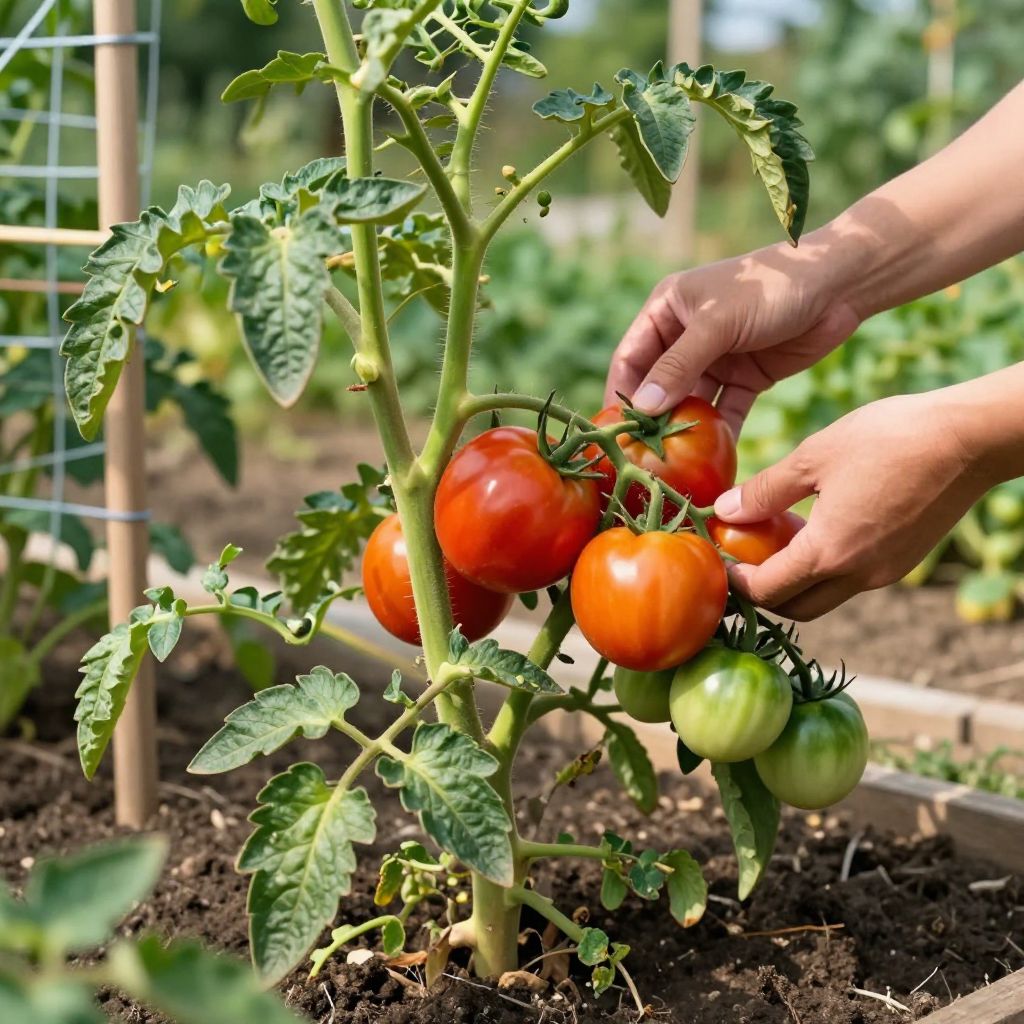
When is tomato season? The short answer is that it depends on your climate, but most gardeners harvest tomatoes from midsummer through early fall. Tomatoes need warm weather, long days, and time to mature, so the season begins after frost danger has passed and ends when nights cool and fruit stops ripening well.
If you want the best flavor, the real goal is not just “tomato season” but the right planting window for your area. With a little planning, you can stretch the harvest, avoid common problems, and pick fruit at peak ripeness instead of rushing it off the vine.
When is tomato season?
Tomato season usually runs from late spring planting into summer and early fall harvest, but the exact timing depends on local frost dates, daytime heat, and the variety you grow. In most regions, tomatoes are transplanted after the last frost and harvested about 60 to 100 days later, with peak picking in warm weather.
What determines tomato season in your garden?
Tomatoes are warm-season crops, so they do not perform well in cold soil or frost. The season is shaped by your local climate, the tomato type, and whether you start plants indoors or buy transplants.
Climate and frost dates
Tomato season starts when nighttime temperatures stay reliably mild and frost is no longer a threat. If you plant too early, cold soil can stunt growth and delay flowering.
As a general rule, wait until soil has warmed and the weather is settled. In cooler climates, that may mean late spring; in warmer regions, tomato season can begin much earlier and last longer.
Variety matters
Different tomatoes mature at different speeds. Early varieties may produce fruit in about 50 to 65 days from transplanting, while larger slicing tomatoes often take longer.
That means your “season” can be short and intense, or long and steady, depending on what you plant. If your growing season is brief, choose earlier types to get a reliable harvest before cool weather returns.
Indoor starts vs. direct sowing
Most gardeners start tomato seeds indoors 6 to 8 weeks before the last expected frost. This gives plants a head start so they are ready to set out once outdoor conditions improve.
Direct sowing outdoors is possible only in warm climates with a long growing season and consistently warm soil. In cooler areas, direct-sown tomatoes often lag behind transplants.
How to time tomato planting for your area
The best planting date is based on your local frost calendar, not a fixed date on the calendar. Check your average last spring frost and first fall frost, then count backward from the maturity days listed on the seed packet or plant tag.
- Find your average last frost date in spring.
- Start seeds indoors about 6 to 8 weeks before that date, if needed.
- Harden off seedlings for 7 to 10 days before moving them outside.
- Transplant only when nights are consistently mild and soil is warm.
- Count forward from planting to estimate first harvest.
Important: Tomatoes planted too early often sit in cold soil, grow slowly, and become more vulnerable to disease and stress.
Cool climates
In cooler regions, tomato season is often compressed into mid- to late summer. You may need to use transplants, row covers, or containers in warm, sheltered spots to help the crop mature before fall.
Warm climates
In hot regions, tomato season may start earlier and last longer, but extreme heat can reduce fruit set. When daytime temperatures stay very high, flowers may drop and harvests can slow.
In those areas, some gardeners plant in late winter or early spring, then again for a fall crop when temperatures ease.
Best growing conditions for tomato season
Tomatoes need full sun, fertile soil, and steady moisture to make the most of the season. Good growing conditions help fruit ripen faster and reduce stress-related problems.
Sunlight
Give tomatoes at least 6 to 8 hours of direct sun daily. More sun usually means better flowering and sweeter fruit, especially in shorter seasons.
Soil and drainage
Tomatoes grow best in loose, well-drained soil enriched with compost. Heavy, waterlogged soil can slow root growth and increase disease risk.
Before planting, work in several inches of compost if your soil is poor or compacted. Raised beds can help in wet areas because they warm up faster and drain more efficiently.
Watering
Consistent moisture is important during flowering and fruit development. Irregular watering can lead to blossom-end rot, cracked fruit, and uneven growth.
Water at the base of the plant rather than overhead when possible. Deep, less frequent watering is usually better than shallow sprinkling because it encourages stronger roots.
Mulch
A layer of organic mulch helps conserve moisture, moderate soil temperature, and reduce soil splash onto leaves. This can be especially helpful during the hottest part of tomato season.
Keep mulch a little away from the stem so the base of the plant stays dry and well-aerated.
How to extend tomato season
You can often stretch tomato season on both ends with a few simple techniques. The goal is to protect plants from cold early on and keep them productive as temperatures shift later in the year.
- Start early indoors so transplants are ready when outdoor conditions improve.
- Use season extenders such as cloches, row covers, or low tunnels in cool weather.
- Choose early-maturing varieties if your growing season is short.
- Plant in warm microclimates such as south-facing beds or sheltered walls.
- Protect from early fall chill with covers when nights begin to cool.
In very warm climates, a fall tomato crop can be just as valuable as a spring one, because fruit set often improves when intense summer heat eases.
How to tell when tomatoes are ready to harvest
Tomatoes are best picked when they have reached full color for the variety and feel slightly yielding, not hard. Harvest timing is a big part of tomato season because fruit flavor improves as it ripens on the vine.
Signs of ripeness
- Color is deep and even for the variety.
- Fruit gives slightly when gently squeezed.
- The skin looks glossy, not dull and green.
- The tomato detaches easily with a slight twist.
If frost or rain is coming, you can harvest tomatoes at the breaker stage, when they begin to show color, and let them finish indoors at room temperature.
Harvesting tips
Pick regularly during peak season to encourage more fruiting and reduce the chance of overripe tomatoes splitting or attracting pests. Use clean pruners or gently twist fruit from the vine to avoid damaging stems.
Common tomato season problems and fixes
Even in the right season, tomatoes can run into trouble. Most issues are easier to manage when you catch them early.
Flowers drop but fruit does not set
This often happens during temperature stress. Very hot days or cool nights can interfere with pollination and reduce fruit set.
Try to improve airflow, keep plants evenly watered, and wait for more moderate weather. In hot climates, afternoon shade can help during the hottest stretch of the season.
Leaves yellow or spot up
Yellowing or leaf spots may point to watering issues, nutrient imbalance, or disease. Avoid wetting foliage late in the day, and remove badly affected leaves if disease is spreading.
Good spacing, crop rotation, and clean garden tools also help reduce recurring disease problems from one season to the next.
Blossom-end rot
This common issue shows up as dark, sunken spots on the bottom of fruit. It is usually linked to inconsistent watering and poor calcium movement in the plant, not simply a lack of calcium in the soil.
Keep moisture steady, mulch the soil, and avoid letting plants dry out and then soak suddenly.
Pests
Tomato hornworms, aphids, whiteflies, and other pests can appear during the growing season. Check plants often, especially the undersides of leaves and new growth.
Hand-picking larger pests, washing off small infestations with water, and encouraging beneficial insects can help keep damage manageable.
Pruning, support, and maintenance during tomato season
Tomatoes need support and light maintenance to stay healthy through the season. Staking, caging, or trellising keeps fruit off the ground and improves air circulation.
- Install supports early, before plants become heavy.
- Tie stems loosely so they do not rub or snap.
- Remove only damaged or diseased lower leaves when needed.
- Keep weeds down so they do not compete for water and nutrients.
Pruning is optional for many home gardeners, but removing a few crowded lower leaves can improve airflow in humid weather. Avoid excessive pruning, which can expose fruit to sunscald and reduce the plant’s energy.
Can you grow tomatoes outside the main season?
Yes, but success depends on temperature control and light. In cool weather, tomatoes can be grown in protected spaces such as greenhouses, high tunnels, or warm patios with containers.
Indoors, tomatoes need strong light and enough root space to perform well. Without adequate sun or grow lights, plants often become leggy and unproductive.
Simple tomato season checklist
If you want a dependable harvest, focus on the basics that matter most during tomato season.
- Wait until frost danger has passed.
- Choose a variety suited to your climate and season length.
- Plant in full sun and well-drained soil.
- Water consistently at the base of the plant.
- Mulch to stabilize moisture and soil temperature.
- Support plants early with cages, stakes, or trellises.
- Watch for pests, disease, and ripening fruit.
Tomato season is really a window you create by matching the plant to your climate and timing. If you plan around frost dates, choose the right variety, and keep soil moisture steady, you will get a longer and more productive harvest.
For more practical seasonal growing advice, you may also want to read about how to start vegetable seeds indoors and the best ways to support tomato plants in the garden.