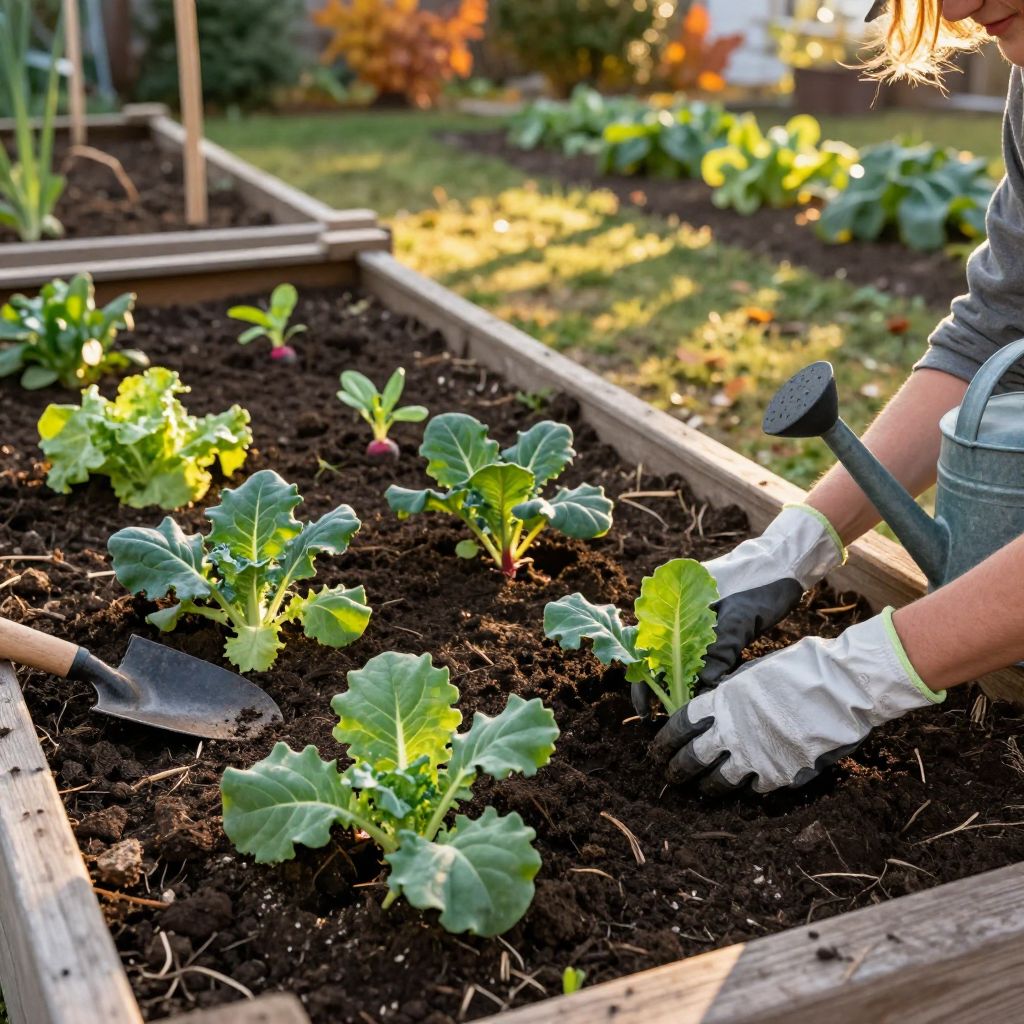
Wondering what to plant in the fall? Autumn is one of the best times to garden because cooler air, warm soil, and more reliable moisture help many plants establish quickly. Whether you want vegetables, bulbs, perennials, shrubs, or a better lawn, fall planting can give you a strong head start.
The key is choosing plants that can root in before hard frost and matching them to your local climate, soil, and light conditions. With a little planning, fall planting can mean less stress, fewer weeds, and healthier growth next spring.
What to plant in the fall?
In fall, plant cool-season vegetables, spring-blooming bulbs, hardy perennials, trees, shrubs, and many lawns or cover crops. The best choices depend on how much time remains before freezing weather, but fall planting usually works well because soil is still warm enough for roots to grow even as top growth slows down.
Best plants to put in the ground during fall
Cool-season vegetables
Many gardeners use fall to grow fast-maturing crops or overwinter hardy vegetables. These often taste sweeter after cool nights and light frosts.
- Leafy greens: spinach, lettuce, arugula, kale, and mâche
- Root crops: radishes, turnips, beets, carrots, and rutabagas
- Brassicas: broccoli, cauliflower, cabbage, and kohlrabi in mild climates or with protection
- Alliums: garlic and some overwintering onions
- Quick crops: baby lettuce, mustard greens, and Asian greens
For these crops, choose varieties with shorter days to maturity if your fall season is limited. In colder regions, use row cover, a cold frame, or a low tunnel to extend harvest.
Spring-flowering bulbs
Fall is the ideal time to plant many bulbs because they need a cold period to bloom well in spring. Common choices include tulips, daffodils, crocus, hyacinths, alliums, and grape hyacinth.
Plant bulbs in well-drained soil before the ground freezes, but not so early that they sprout too soon. A good rule is to plant them when nighttime temperatures are cooling and soil is workable, then water them in once after planting.
Perennials
Hardy perennials often settle in well during fall because they can focus on root growth instead of producing lots of leaves and flowers. Good options include peonies, daylilies, hostas, coneflowers, black-eyed Susans, sedum, and ornamental grasses.
In many climates, fall-planted perennials perform better than spring-planted ones because they face less heat stress. Just avoid planting tender, frost-sensitive perennials too late in the season.
Shrubs and trees
Fall is a strong planting window for many deciduous shrubs and trees, especially in regions with mild to moderate winters. Roots continue to grow while the top of the plant is dormant or slowing down.
Examples include viburnum, hydrangea, dogwood, serviceberry, maple, oak, and many native shrubs. Evergreen shrubs and trees can also be planted in fall, but they need extra attention to moisture because they lose water through their foliage all winter.
Lawns and cover crops
Cool-season lawns are often seeded in fall because temperatures are more favorable for germination and root establishment. You can also sow cover crops such as winter rye, crimson clover, or hairy vetch in vegetable beds to protect and improve soil.
If you are reseeding a lawn, fall is usually better than spring because weed pressure is lower and seedlings have time to mature before summer heat arrives.
How to choose the right fall planting time
The right planting date depends on your first frost, soil temperature, and the plant’s establishment time. A plant needs enough weeks before hard freeze to grow roots, even if top growth slows down.
- Find your average first frost date for your area.
- Count backward from that date based on the crop or plant type.
- Check whether the plant needs warm soil, cool soil, or a cold period to sprout.
- Adjust for your microclimate, such as a sheltered yard, windy site, or raised bed.
Do not rely on the calendar alone. A fall planting date that works in one region may be too late or too early in another. Local weather and soil conditions matter more than a fixed date.
Soil preparation for fall planting
Healthy soil gives fall plantings the best chance to root quickly. Before planting, loosen compacted soil and work in compost if needed, especially in beds that have been heavily used during summer.
What good fall planting soil looks like
- Loose enough for roots to spread easily
- Moist but not soggy
- Rich in organic matter
- Well drained, especially for bulbs and shrubs
If your soil is heavy clay, improve drainage with compost and by planting on a slight mound or raised bed. If your soil is sandy, compost helps it hold moisture longer through dry autumn spells.
Avoid adding too much fresh manure in fall, especially near bulbs or tender roots. Compost is usually a safer, more balanced choice for most home gardens.
How to plant in fall the right way
For vegetables
- Clear spent summer crops and weeds.
- Loosen the top 6 to 8 inches of soil.
- Mix in compost if the bed looks tired or compacted.
- Sow seeds at the correct depth for the crop.
- Water gently so seeds do not wash away.
- Mulch lightly once seedlings are established, if appropriate.
For transplants, set them at the same depth they were growing in their pots unless the plant benefits from deeper planting, such as tomatoes in warm climates. Keep the soil evenly moist until roots take hold.
For bulbs
- Choose a site with full sun to part sun, depending on the bulb.
- Dig the hole to the recommended depth, usually about 2 to 3 times the bulb’s height.
- Place the bulb pointy side up.
- Space bulbs so they have room to multiply.
- Backfill, water once, and mulch lightly if winters are harsh.
Bulbs rot easily in wet soil, so drainage is critical. If water sits in the planting area after rain, choose a different spot or improve the bed before planting.
For trees and shrubs
Dig a hole only as deep as the root ball and about 2 to 3 times as wide. Set the plant so the root flare sits at or slightly above soil level, then backfill with native soil unless your local extension guidance suggests otherwise.
Water deeply after planting to settle the soil, then mulch the root zone with 2 to 3 inches of organic mulch, keeping it a few inches away from the trunk or stems.
Watering and mulching after fall planting
Even in cool weather, new roots need consistent moisture. Fall rain helps, but it is not always enough, especially for newly planted trees, shrubs, and evergreens.
- Water deeply after planting to remove air pockets around roots.
- Check soil moisture regularly for the first several weeks.
- Water when the top few inches of soil begin to dry, not on a fixed schedule.
- Reduce watering if the soil stays wet for long periods.
Mulch helps moderate soil temperature, reduce weeds, and slow moisture loss. Keep mulch from touching stems, trunks, or bulb crowns to prevent rot and pest problems.
Common fall planting mistakes to avoid
Planting too late
If the ground freezes before roots establish, plants may heave, dry out, or fail to overwinter well. Late planting is especially risky for evergreens, tender perennials, and large shrubs.
Ignoring drainage
Many fall losses happen in soil that stays wet. Bulbs, garlic, and woody plants all suffer if roots sit in waterlogged ground.
Overfeeding at planting time
Heavy fertilizer can push weak top growth when the plant should be developing roots. Compost is often enough for fall planting, unless a soil test shows a specific need.
Forgetting winter protection
New plantings may need extra mulch, wind protection, or row cover in exposed sites. This is especially helpful for strawberries, leafy greens, and newly planted evergreens in cold climates.
Fall care by plant type
Vegetables
Harvest regularly so plants keep producing. Remove diseased leaves promptly, and use row cover to reduce insect damage and extend the harvest window.
Bulbs
Leave foliage alone in spring until it yellows naturally. That leaf growth feeds next year’s blooms, so do not cut it back early.
Perennials
Cut back only what is diseased or clearly dead if needed. Some perennials benefit from leaving stems and seed heads for winter structure and wildlife, while others are tidier if trimmed after frost.
Trees and shrubs
Water during dry spells until the ground freezes. Avoid heavy pruning at planting time unless you are removing broken or damaged branches.
Pests, diseases, and troubleshooting
Fall conditions can reduce some pest pressure, but not all of it. Slugs may still feed on leafy greens, and wet weather can encourage fungal disease on crowded plants.
- Yellowing seedlings: often from poor drainage, overwatering, or low light
- Slow growth: usually from cool soil, short days, or planting too late
- Rotting bulbs: often caused by soggy soil or planting too deep in heavy ground
- Wilting evergreens: can result from dry soil or wind exposure after planting
If a plant looks stressed, check the roots, soil moisture, and drainage before adding more fertilizer. Many fall problems are caused by water management rather than lack of nutrients.
Best tools for fall planting
You do not need a lot of equipment, but a few basics make fall planting easier and more accurate.
- Hand trowel or garden spade
- Rake for clearing beds and leveling soil
- Compost fork or digging fork
- Watering can or hose with a gentle nozzle
- Mulch such as shredded leaves, bark, or composted material
- Row cover or cold frame for extending the season
Conclusion: make the most of fall planting
If you are deciding what to plant in the fall, start with the crops and plants that match your climate and the time left before frost. Focus on cool-season vegetables, spring bulbs, hardy perennials, and well-chosen shrubs or trees, then give them steady moisture and good drainage. For more seasonal planning, you may also want to read about fall vegetable gardening and how to prepare garden beds for winter.