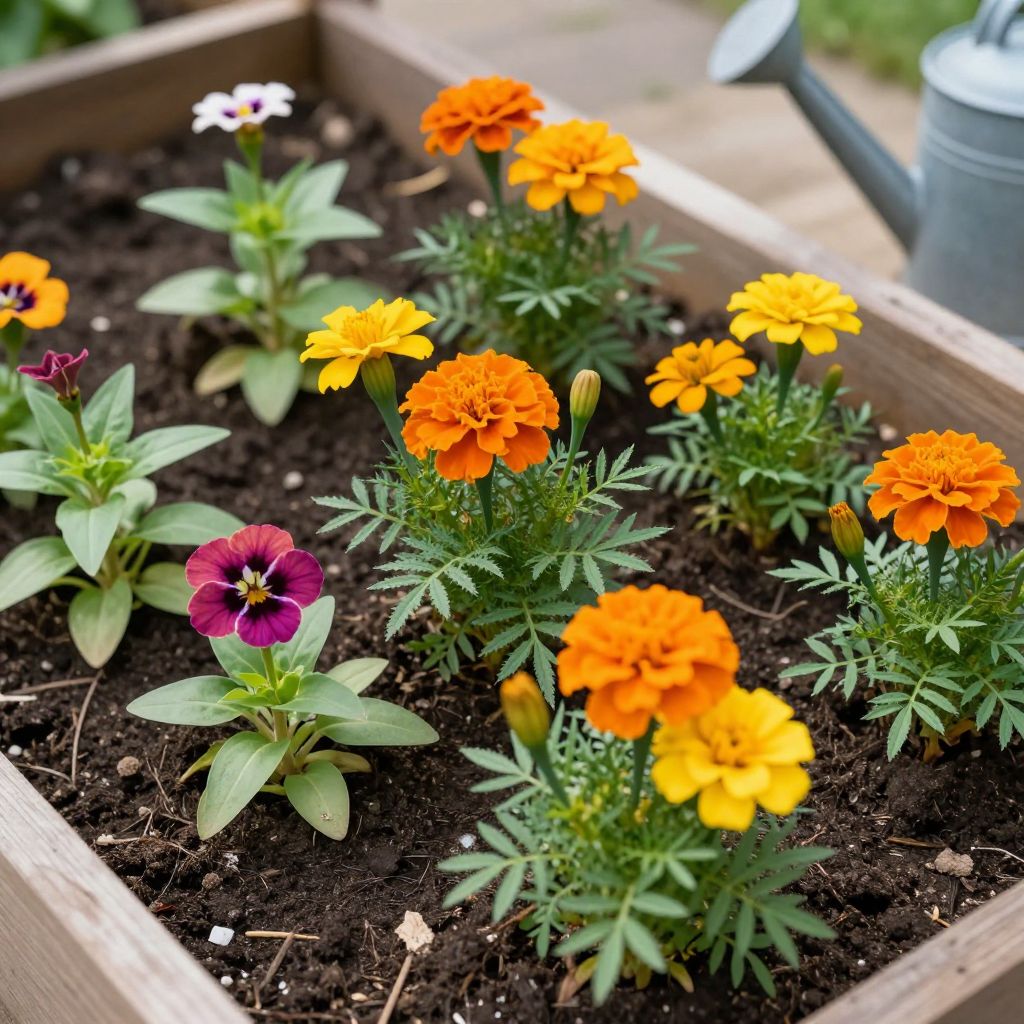
What flowers are easy to grow? If you want a garden that looks cheerful without demanding constant attention, the best choices are tough, forgiving flowers that tolerate ordinary soil, moderate watering, and a few beginner mistakes. Many annuals and perennials fit that description, especially if you match them to your sun exposure and climate.
The easiest flowers to grow are usually those that germinate readily, establish quickly, and keep blooming with simple care. Start with reliable choices like marigolds, zinnias, cosmos, sunflowers, calendula, nasturtiums, black-eyed Susans, coneflowers, daylilies, and coreopsis, then give them good drainage, enough sun, and occasional deadheading or cleanup.
What flowers are easy to grow?
The easiest flowers for most gardeners are plants that handle average soil, don’t need fussy feeding, and recover well if you miss a watering or two. Annuals like marigolds and zinnias give fast color from seed, while perennials like coneflowers and black-eyed Susans return each year with minimal maintenance.
Best easy flowers for beginners
Fast-growing annual flowers
- Marigolds (Tagetes spp.) – Bright, dependable, and simple to start from seed.
- Zinnias (Zinnia elegans) – Heat-loving and long-blooming in sunny spots.
- Cosmos (Cosmos bipinnatus) – Airy flowers that thrive in lean soil and full sun.
- Calendula (Calendula officinalis) – Cool-season annual with cheerful blooms.
- Nasturtiums (Tropaeolum majus) – Easy from seed and useful in beds, borders, or containers.
- Sunflowers (Helianthus annuus) – Simple to sow directly and rewarding for kids and beginners.
Easy perennial flowers
- Black-eyed Susans (Rudbeckia hirta) – Tough, sunny, and drought tolerant once established.
- Coneflowers (Echinacea purpurea) – Long-lived perennials that handle heat and moderate drought.
- Coreopsis (Coreopsis spp.) – Reliable bloomers with daisy-like flowers.
- Daylilies (Hemerocallis spp.) – Adaptable and forgiving in many gardens.
- Shasta daisy (Leucanthemum × superbum) – Classic flowers for sunny borders.
Why these flowers are beginner-friendly
These plants are popular because they usually ask for the basics: sun, drainage, and moderate moisture. Many also bloom for a long season, so you get a lot of color for relatively little effort.
- They tolerate average garden soil better than many delicate ornamentals.
- They usually don’t need staking, trimming, or feeding every week.
- They are less likely to fail from minor care mistakes.
- Many can be grown from seed, which keeps costs low.
How to choose the easiest flowers for your garden
Match flowers to sunlight
Sun exposure matters more than most beginners realize. A flower that loves full sun may look weak and sparse in shade, while a shade-tolerant plant may scorch in hot afternoon light.
- Full sun: 6 or more hours of direct light daily. Great for zinnias, cosmos, marigolds, sunflowers, coneflowers, and black-eyed Susans.
- Part sun or part shade: 3 to 6 hours of sun. Some calendula and daylilies can work here depending on your climate.
- Light shade: Best for fewer easy-flowering choices, so check plant tags carefully.
Think about your soil and drainage
Most easy flowers still need soil that drains well. If water sits around the roots after rain, even tough plants can struggle or rot.
- Loosen compacted soil before planting.
- Mix in compost to improve structure and moisture retention.
- Avoid heavy, soggy spots unless you are growing a plant that specifically tolerates wet soil.
Choose based on your climate
Local weather changes what counts as “easy.” In hot, dry regions, heat-tolerant flowers like zinnias, cosmos, and coneflowers often perform well. In cooler areas, calendula and some cool-season annuals may bloom longer.
If you are unsure, read plant tags and seed packets, then choose flowers that fit your average frost dates, summer heat, and rainfall. That is more reliable than picking a plant only because it looks attractive in a catalog.
How to plant easy flowers successfully
Starting from seed
Many easy flowers are simple to grow from seed, especially annuals. This is one of the best ways to build confidence because you can sow directly where they will grow.
- Prepare a weed-free bed with loose soil.
- Rake the surface smooth and remove large stones or sticks.
- Sow seeds at the depth listed on the packet, or press very small seeds lightly into the soil.
- Water gently so you do not wash seeds away.
- Keep the soil evenly moist until seedlings emerge.
Do not bury tiny seeds too deeply. Many flower seeds need light or only a very thin soil covering to sprout well.
Transplanting nursery plants
If you want faster results, starter plants from a nursery are a good option. They are especially helpful for perennials and for gardeners who want to avoid the uncertainty of seed germination.
- Plant on a cloudy day or in the late afternoon if possible.
- Water the pot before planting so the root ball is evenly moist.
- Dig a hole about as deep as the container and slightly wider.
- Set the plant at the same depth it was growing in the pot.
- Backfill, firm lightly, and water in well.
Avoid planting too deep, especially with perennials. Crown rot and poor growth often start when the stem base is buried below the soil line.
Simple care for low-maintenance blooms
Watering the right way
Easy flowers still need consistent moisture while they are getting established. After that, many can handle short dry spells better than overwatering.
- Water deeply rather than giving tiny daily sprinkles.
- Let the top inch or two of soil dry slightly between waterings for many sun-loving flowers.
- Water at the base of the plant to keep foliage drier and reduce disease risk.
Container flowers dry out faster than garden beds, especially in hot or windy weather. Check pots more often and water when the top layer of soil feels dry.
Feeding without overdoing it
Most beginner-friendly flowers do not need heavy fertilizing. Too much nitrogen can produce lush leaves and fewer blooms.
- Work compost into the bed before planting.
- If growth looks weak, use a balanced flower fertilizer according to the label.
- In rich soil, many easy flowers bloom well with little or no extra feeding.
Deadheading and pruning
Removing spent flowers can extend blooming on many annuals and some perennials. It also keeps plants looking tidy.
- Pinch or snip off faded blooms on zinnias, marigolds, cosmos, and many daisies.
- Cut stems back lightly if plants become leggy.
- Leave some seed heads on coneflowers or black-eyed Susans if you want wildlife interest or self-seeding.
Not every plant needs deadheading to survive, but it often improves appearance and encourages more flowers.
Common problems and how to fix them
Few flowers, lots of leaves
This usually happens when a plant gets too much shade or too much fertilizer. Move sun-loving flowers to a brighter spot and reduce high-nitrogen feeding.
Leggy, floppy growth
Plants stretching toward the light often need more sun. Some annuals also become leggy if they are crowded, so thin seedlings early and give each plant enough room.
Yellowing leaves
Yellow leaves can mean overwatering, poor drainage, or nutrient issues. Check the soil first; if it stays wet for long periods, improve drainage before adding more water.
Pests and diseases
Easy flowers are generally less troublesome than fussy ornamentals, but problems can still happen.
- Aphids: Often cluster on new growth. Rinse them off with a strong spray of water or remove heavily infested tips.
- Powdery mildew: A white coating on leaves, more common in crowded plantings or humid weather. Improve airflow and avoid overhead watering.
- Slugs and snails: Can chew seedlings and tender foliage in damp gardens. Check at night and remove hiding spots.
Healthy spacing, good airflow, and clean garden habits prevent many issues before they start.
Easy flowers for containers, borders, and cutting gardens
For containers
Choose compact, sun-tolerant flowers and use a pot with drainage holes. Container plants need more frequent watering than in-ground plants, so they are best for gardeners who can check them regularly.
- Marigolds
- Nasturtiums
- Dwarf zinnias
- Calendula
For borders and mass planting
If you want a simple landscape bed, choose flowers that repeat well and do not need constant staking or dividing.
- Black-eyed Susans
- Coneflowers
- Coreopsis
- Daylilies
For cutting flowers
Some easy flowers are excellent for bringing indoors. Cut them in the morning when stems are well hydrated, and place them in clean water right away.
- Zinnias
- Sunflowers
- Cosmos
- Shasta daisies
Practical mistakes to avoid
- Planting sun lovers in too much shade.
- Overwatering because you want to be safe.
- Using rich, heavy soil that stays wet after rain.
- Skipping thinning when seedlings are crowded.
- Expecting every flower to behave the same in every climate.
The easiest flowers are not always the fanciest flowers. The best beginner choices are the ones that fit your site and reward ordinary care with steady bloom.
Conclusion
If you are wondering what flowers are easy to grow, start with a few proven performers: marigolds, zinnias, cosmos, calendula, nasturtiums, black-eyed Susans, coneflowers, and daylilies. Pick the ones that match your sun and soil, plant them in well-drained ground, and keep the care simple. For more practical planting ideas, choose one bed or container and start with just two or three easy flowers this season.