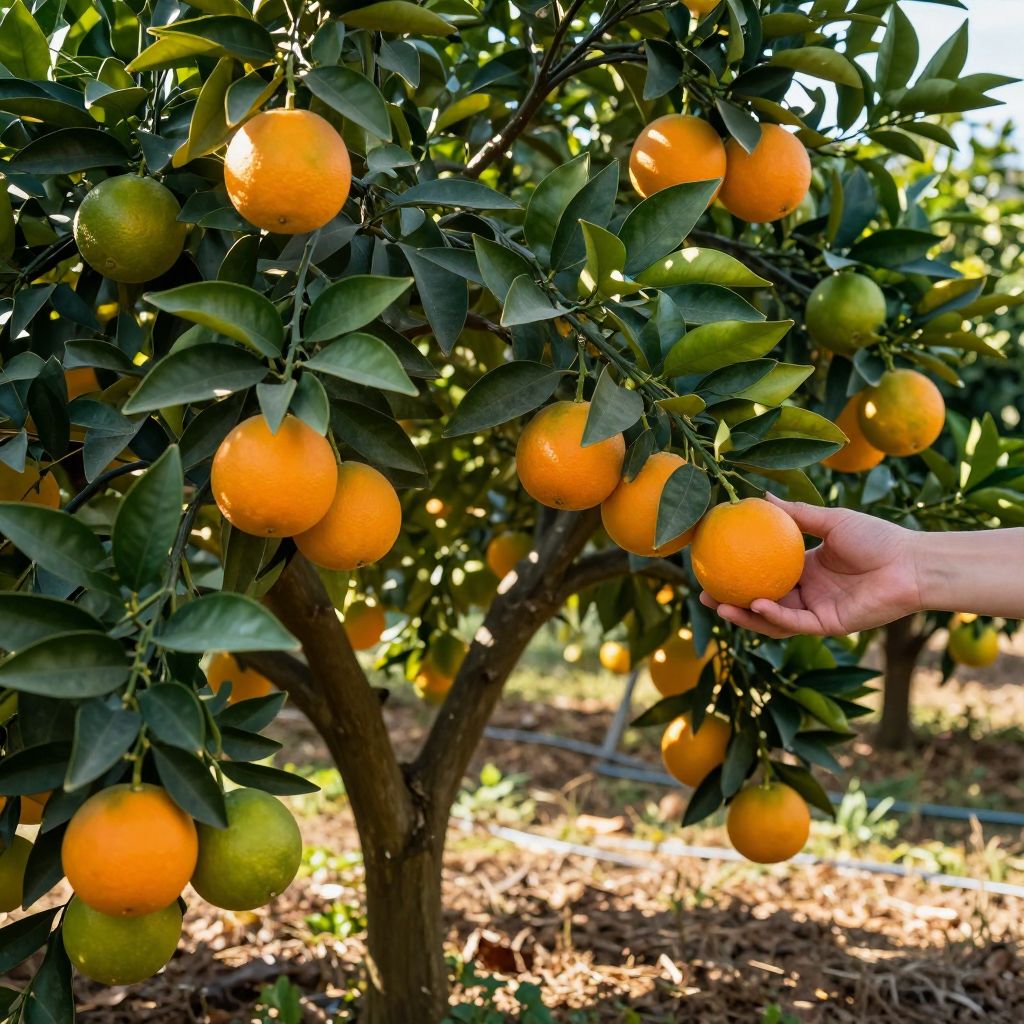
When are oranges in season? The short answer is that it depends on the variety and your climate, but most oranges ripen from late fall through spring. In many home gardens, you can expect the main harvest window to run from about November to May, with some types holding on the tree longer than others.
If you grow oranges yourself, the best way to tell seasonality is by fruit color, flavor, and sugar development rather than the calendar alone. A tree in full sun, with good drainage and steady care, will usually produce better-quality fruit than one rushed by heat, drought, or excess nitrogen.
When are oranges in season?
Oranges are typically in season from late fall through spring, but the exact timing depends on the type of orange, your local climate, and whether the fruit is early, midseason, or late-ripening. In warm regions, fruit may hang on the tree for months, so the best harvest time is when the oranges taste sweet, have developed full color, and detach easily.
Orange season by type
Different orange types ripen at different times, which is why one tree may be ready in winter while another is best in late spring. If you are growing citrus at home, knowing the variety matters more than relying on a single “orange season” date.
Common ripening windows
- Navel oranges: often mature in late fall through winter.
- Valencia oranges: usually ripen in late spring through summer in warmer climates.
- Blood oranges: commonly mature in winter, though timing varies by climate.
- Mandarins and tangerines: many are ready from fall into winter, but these are separate citrus types from true oranges.
Keep in mind that fruit can stay on the tree after it is ripe. In some areas, oranges improve in flavor if you wait a little longer, but overripe fruit can dry out or become more vulnerable to pests and splitting.
How to tell oranges are ready to harvest
Color alone is not enough. In warm climates, oranges can be fully ripe while still showing some green on the peel, especially if nights are not cool enough to trigger full skin color.
Check these signs
- Flavor: taste one fruit before harvesting the whole crop.
- Size: the fruit should look full-sized for the variety.
- Ease of picking: ripe oranges usually twist off with a gentle lift.
- Juiciness: the fruit should feel heavy for its size.
- Skin texture: the peel often becomes smoother or slightly softer as it matures.
If the fruit looks orange but tastes flat or sour, leave it on the tree longer. Citrus does not continue to sweeten much after picking, so harvest timing matters.
Growing conditions that affect orange season
Healthy trees ripen fruit more reliably and often hold it longer. Orange season is shaped by sunlight, temperature, soil, and water management throughout the year, not just at harvest time.
Sunlight and warmth
Oranges need full sun for the best fruiting, usually at least 6 to 8 hours of direct light daily. In cooler areas, a warm, sheltered spot such as a south- or west-facing wall can help fruit mature more evenly.
Soil and drainage
Citrus trees dislike waterlogged soil. Plant oranges in well-drained soil enriched with compost, but avoid heavy, constantly wet ground that can stress roots and reduce fruit quality.
- Use loose, fertile soil with good drainage.
- Avoid planting too deep.
- Mulch lightly, but keep mulch away from the trunk.
Watering through the season
Steady moisture supports fruit development, while irregular watering can lead to smaller fruit, drop, or splitting. Water deeply when the top few inches of soil begin to dry, then let the soil drain well before watering again.
Do not swing between drought and heavy watering. That pattern is one of the most common causes of poor citrus quality near harvest.
How to care for orange trees for better harvest timing
If you want fruit that reaches its best season on time, the tree needs consistent care all year. Small maintenance tasks make a big difference in how well oranges size up and ripen.
Pruning
Prune lightly to remove dead, damaged, or crossing branches. Avoid heavy pruning right before or during fruit development, because it can reduce the crop and expose fruit to sunburn.
- Remove suckers from below the graft union.
- Thin crowded branches for airflow.
- Keep the center open enough for light penetration.
Feeding
Use a citrus fertilizer or balanced feeding plan appropriate for your soil and climate, but do not overdo nitrogen. Too much nitrogen can produce leafy growth at the expense of flowers and fruit.
If you are unsure, a soil test is the safest way to guide nutrient decisions. That is especially useful in gardens with sandy soil or repeated fertilizer use.
Mulching
Apply organic mulch to conserve moisture and moderate soil temperature. Keep a gap around the trunk so the bark stays dry and air can circulate.
Common problems that affect orange ripening
When oranges do not seem to ripen on time, the issue is often environmental rather than a calendar problem. A few common stressors can delay color, reduce sweetness, or cause fruit to drop early.
Why oranges stay green
- Warm nights can slow peel color change.
- Too much shade reduces sugar development.
- Excess nitrogen encourages leaves instead of fruit.
- Cold snaps or heat stress can interrupt ripening.
Fruit drop or splitting
Sudden changes in soil moisture are a frequent cause. Dry soil followed by heavy watering or rain can cause fruit to split, especially near maturity.
To reduce this problem, keep watering more even during the ripening period and avoid letting the tree dry out completely.
Pests and diseases
Watch for scale, aphids, citrus leafminer, and sooty mold, especially on stressed trees. Healthy, well-spaced branches and regular inspection help you catch problems early.
- Check leaf undersides and new growth.
- Remove heavily infested shoots if needed.
- Keep fallen fruit and debris cleaned up.
If you notice dieback, oozing bark, or persistent yellowing, the tree may have a more serious issue such as root stress or disease. In that case, correct drainage and seek local extension guidance if available.
Harvesting oranges the right way
Harvest gently to avoid damaging both the fruit and the tree. Oranges do not need to be yanked off, and rough picking can tear the stem or bruise nearby fruit.
Simple harvest steps
- Choose a dry day if possible.
- Taste one fruit before picking the rest.
- Lift and twist gently, or use clean pruners for stubborn stems.
- Handle fruit carefully to avoid bruising.
- Sort damaged fruit first and use it sooner.
Pick only what you will use in the near term. Oranges can often remain on the tree for a while after ripening, which lets you harvest gradually instead of all at once.
Growing oranges in containers
Container-grown oranges can be easier to protect from cold, but they also dry out faster and depend more on your care. Their season may be slightly different from in-ground trees because pot size, root space, and light exposure affect ripening.
Container care basics
- Use a large pot with drainage holes.
- Choose a free-draining citrus or container mix.
- Place the pot in full sun.
- Water when the upper soil layer dries, not on a fixed schedule.
- Rotate the pot occasionally for even light exposure.
In colder regions, move container citrus to a bright, sheltered location before frost. A garage, greenhouse, or sunny indoor space may help fruit finish ripening if temperatures drop too low outside.
Practical seasonal checklist for home gardeners
If you want to track orange season in your own garden, use the tree’s growth cycle as your guide. The best harvests come from steady care before fruit is ready, not from last-minute fixes.
- Spring: support flowering and new growth with even moisture and light feeding.
- Summer: protect fruit from drought stress and monitor pests.
- Fall: watch for color change and begin tasting test fruit.
- Winter: harvest many early varieties and protect trees from cold snaps.
- Late winter to spring: continue checking late-season varieties and avoid overpruning.
Final thoughts
When are oranges in season? For most home gardeners, the answer is late fall through spring, with some varieties ripening later depending on climate and type. The most reliable approach is to watch your tree closely, taste test fruit, and harvest when flavor, color, and ease of picking all line up.
If you are planning your citrus care for the coming months, focus on full sun, good drainage, steady watering, and light pruning. Those basics will do more for a good orange season than any quick fix.