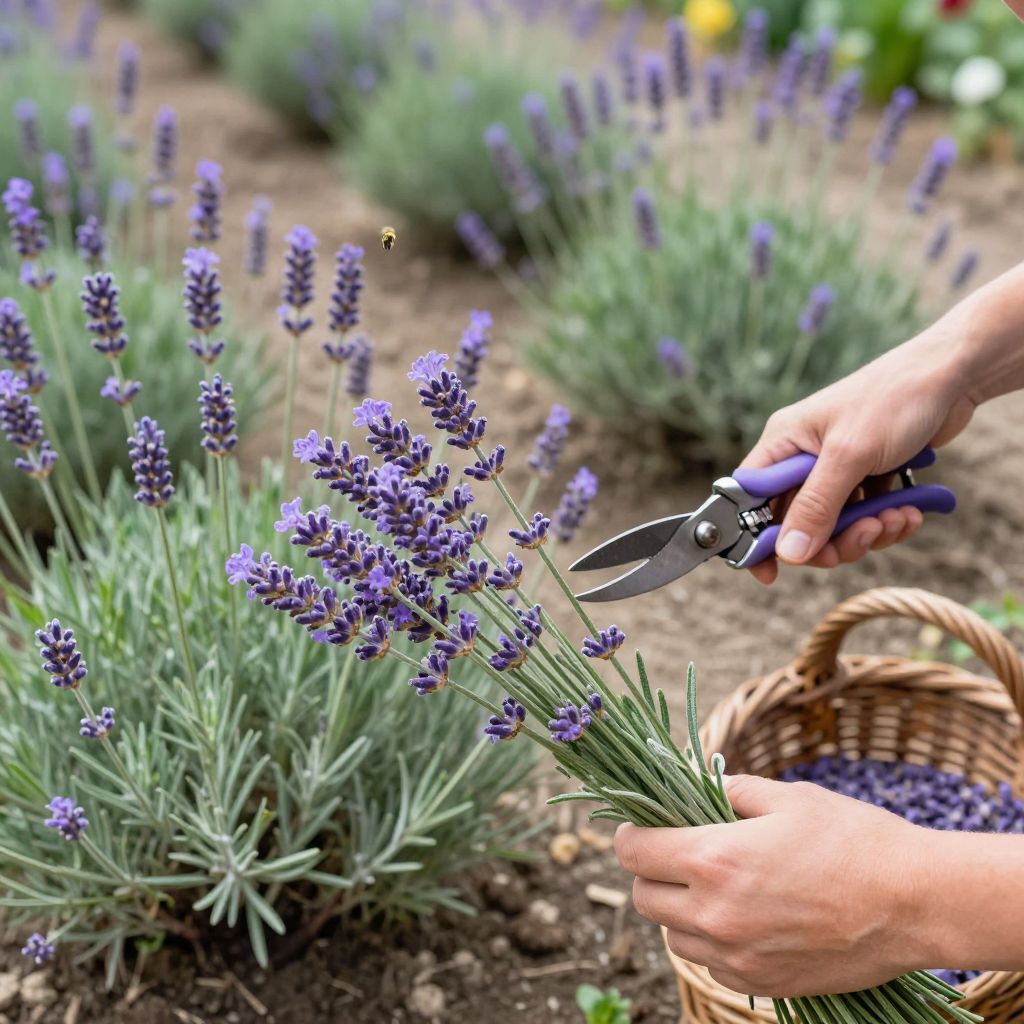
Wondering when to harvest lavender so you get the best scent, color, and drying quality? The right timing makes a big difference. Cut lavender too early and the buds may not be fully developed; wait too long and the flowers can fade, drop, or become less fragrant.
The good news is that lavender is forgiving once you know what to look for. With a few simple checks, you can harvest at the stage that suits your goal, whether you want fresh stems, dried bundles, or flowers for crafts.
When to harvest lavender?
Harvest lavender when the flower spikes are mostly open but not fully spent. For the best fragrance and drying quality, cut stems in the morning after the dew dries, on a dry day, when about one-third to one-half of the florets on each spike have opened. This is usually the peak balance of scent, color, and oil content.
How to tell lavender is ready to cut
Different lavender plants and climates can shift timing by a week or more, so use the plant itself as your guide rather than the calendar alone. Look for these signs:
- Flower buds are showing color and the lower florets are starting to open.
- The stems are upright and firm, not floppy from rain or heat stress.
- The scent is strong when you brush the flowers lightly.
- The plant has enough growth that cutting won’t remove most of its foliage.
If you are harvesting for drying, aim a little earlier than you would for a purely ornamental display. If you want the fullest, showiest blooms for a vase, you can wait until more florets have opened, but don’t leave them so long that petals begin to brown or drop.
Best stage for different uses
- For drying: cut when the buds are mostly colored and just beginning to open.
- For fresh arrangements: harvest when more florets are open and the stems look full.
- For fragrance and sachets: earlier harvests often hold scent better after drying.
- For repeat bloom encouragement: deadhead or trim promptly after the first flush.
What time of day is best for harvesting lavender?
The best time to harvest lavender is in the morning, after the dew has evaporated but before the day heats up. Essential oils and fragrance are often strongest then, and the stems are less stressed. Avoid cutting in the heat of the afternoon or right after rain, when moisture can reduce drying quality.
How to harvest lavender step by step
- Choose a dry morning with no rain in the forecast.
- Use clean, sharp pruners or snips.
- Cut stems just above the leafy growth, leaving enough green foliage on the plant.
- Gather stems into small bunches so air can circulate.
- Move them out of direct sun if you plan to dry them.
For most home gardens, it is better to harvest lightly and often than to remove too much at once. A good rule is to avoid cutting into old, leafless woody stems, because lavender usually resprouts best from younger green growth.
How much to cut from each plant
You can usually take a modest harvest from a healthy, established lavender plant without harming it. Leave plenty of leafy growth behind so the plant can keep photosynthesizing and recover after flowering. If your plant is young, weak, or newly planted, harvest very sparingly or skip cutting that season.
Harvesting lavender for drying
If your goal is dried bouquets, wreaths, or sachets, handling matters as much as timing. Lavender dries best when the stems are cut before the blooms fully open and hung in a dark, dry, well-ventilated place.
Drying tips that protect color and scent
- Make small bundles, not thick bunches.
- Hang them upside down so the stems stay straight.
- Keep them out of direct sunlight to reduce fading.
- Allow good airflow to prevent mold.
- Check periodically until the stems feel crisp and dry.
If the weather is humid, drying may take longer. In damp climates, smaller bundles and extra airflow are especially important. If you notice gray mold or a musty smell, the bunches are too dense or the drying area is too moist.
Should you harvest lavender more than once?
In some climates and with some types of lavender, a light second flush may follow the first bloom if you trim promptly after flowering. This is not guaranteed, and it depends on the variety, weather, and plant vigor. Even when you do not get a second bloom, timely cutting can keep the plant neat and encourage better shape.
After-bloom pruning and harvesting
After the main harvest, many gardeners give lavender a light shaping trim. This helps prevent the plant from becoming leggy and reduces woody, open centers over time. The key is to trim green growth, not hard into old wood.
- Remove spent flower stems back to a leafy point.
- Shape the plant gently into a rounded mound.
- Avoid severe pruning on very old or stressed plants.
Common mistakes to avoid when harvesting lavender
Lavender is easy to cut, but a few mistakes can reduce quality or shorten the plant’s life. These are the most common problems:
- Harvesting too late: flowers may lose color and drop more quickly.
- Cutting in wet weather: moisture increases the chance of mold during drying.
- Using dull tools: crushed stems heal poorly and look messy.
- Cutting into old wood: lavender may not regrow well from leafless stems.
- Taking too much at once: the plant may become stressed and sparse.
If your lavender looks sparse after cutting, it may have been harvested too hard or too low. Give it time, keep it in full sun, and avoid extra stress from soggy soil or heavy fertilizer.
How growing conditions affect harvest timing
Lavender grown in full sun, sharp drainage, and lean soil often flowers more reliably and dries better than plants grown in rich, wet ground. In cooler regions, bloom may arrive later; in warm climates, it can come earlier or in multiple waves. Local weather matters more than a fixed date.
Signs your plant may need better care before harvest
- Few flowers or weak stems
- Yellowing from poor drainage
- Leggy growth from not enough sun
- Soft, floppy stems after rain or overwatering
If your plant is struggling, improve its growing conditions first. Lavender generally prefers full sun and soil that drains quickly. Heavy, constantly moist soil can reduce bloom quality and make harvests less satisfying.
Tools and handling tips for a cleaner harvest
Simple tools are usually enough. Clean bypass pruners or sharp snips make the cleanest cuts, and a basket or shallow tray helps protect the stems from crushing. If you are harvesting a lot, keep your bundles loose and handle them gently to preserve the flower heads.
- Use clean tools to reduce disease spread.
- Wipe blades if you are cutting many plants.
- Harvest into a container that allows airflow.
- Label bundles if you grow several lavender types.
What to do after harvesting
After cutting, inspect the plant for any broken stems, dead twigs, or crowded growth. A light cleanup can improve shape, but do not overprune a stressed plant. Water only if the soil is dry, and avoid feeding heavily unless your soil is very poor and your local conditions call for it.
For established lavender, the post-harvest goal is usually maintenance, not pampering. Too much water or rich compost can encourage soft growth and reduce the plant’s natural compact form.
Quick harvest checklist
- Cut when blooms are mostly open, not fully spent.
- Harvest in the morning on a dry day.
- Use sharp, clean snips.
- Leave leafy growth on the plant.
- Dry bundles in a cool, airy, shaded place.
To get the best results, watch your lavender closely as the buds color up and harvest at the right stage for your purpose. If you want, you can also learn more about keeping lavender healthy year after year by reading related guides on pruning and growing conditions.