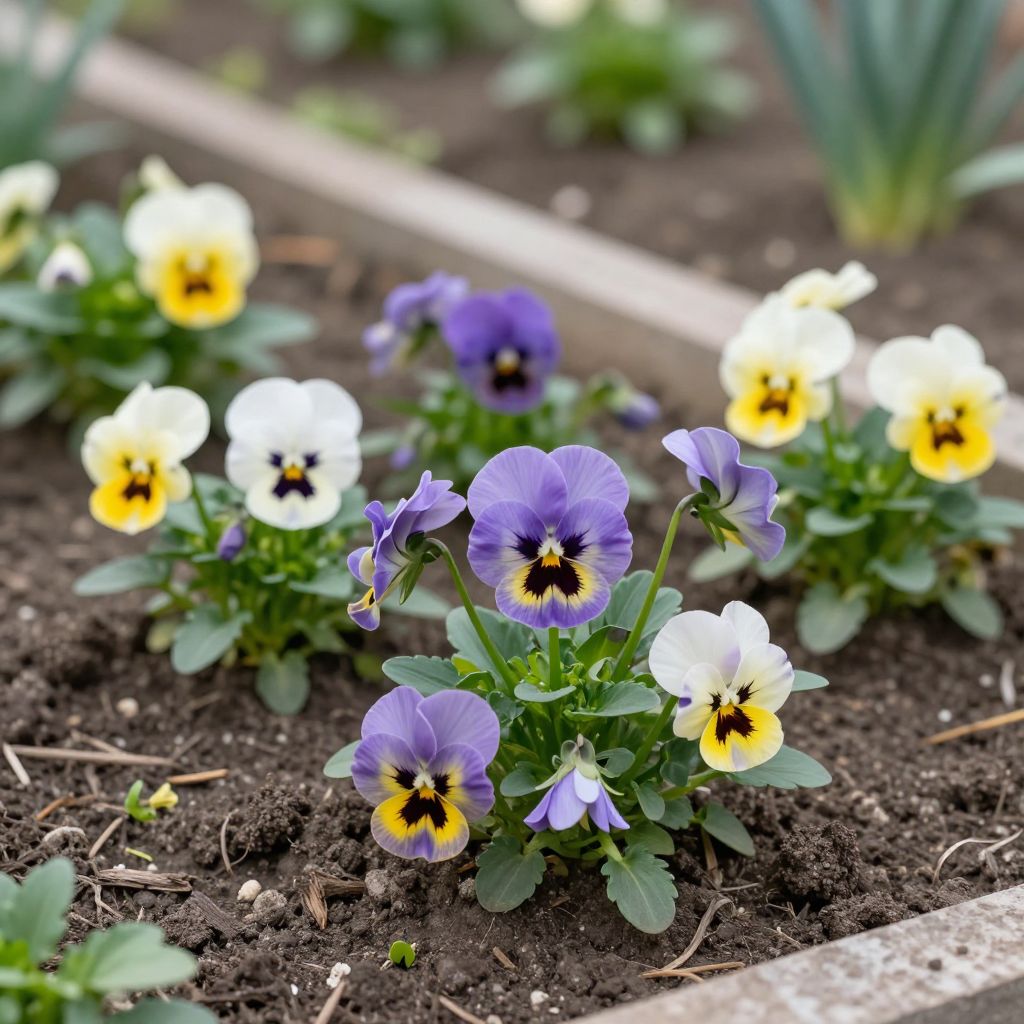
Are pansies perennials, or do they only last one season? That depends on your climate and how much heat your plants face. Pansies are short-lived cool-season plants, and in mild regions they can behave like perennials, but in many gardens they’re treated as annuals or biennials.
If you want longer bloom time and healthier plants, the key is giving pansies the cool temperatures, moisture, and well-drained soil they prefer. With the right care, they can flower for months and sometimes return after a mild winter.
Are pansies perennials?
Pansies are technically short-lived perennials, but most gardeners grow them as annuals because they decline in hot weather. In mild climates, especially where winters are cool and summers are not extreme, pansies may survive longer than one growing season and bloom again in cooler months.
What pansies need to keep growing well
Pansies perform best when temperatures stay cool. They usually flower most heavily in spring and fall, then slow down or stop blooming during heat.
Light
Give pansies full sun to partial shade. In cooler regions, more sun helps them bloom. In warmer areas, afternoon shade can reduce stress and extend flowering.
Soil
Use rich, loose soil that drains well. Pansies dislike soggy roots, so mix in compost to improve structure and moisture retention without making the soil heavy.
Water
Keep the soil evenly moist, especially while plants are establishing and during dry spells. Water at the base rather than soaking the leaves, which helps reduce disease problems.
Temperature
Pansies are cool-weather plants. They often struggle when temperatures rise and may stop blooming or become leggy. If your springs warm up quickly, expect a shorter display.
How long pansies last in the garden
How long pansies live depends on your local weather, planting time, and care. In many gardens, they last from fall through spring. In mild regions, they may survive summer if kept shaded and watered, though bloom quality often drops in heat.
In colder climates, pansies may be damaged by hard freezes unless they are protected by snow cover or other winter insulation. In warmer climates, summer heat is usually the bigger challenge.
Why pansies often fail after one season
- Heat stress causes fading flowers and weak growth.
- Poor drainage leads to root rot and decline.
- Too little water makes plants wilt and set fewer blooms.
- Old, exhausted plants naturally slow down after months of flowering.
Planting pansies for the best chance of return
If you want pansies to last longer, plant them in the coolest part of the season for your area. In many regions, that means early fall or early spring, when roots can establish before stressful weather arrives.
- Choose a site with morning sun and light afternoon shade if your climate is warm.
- Prepare soil with compost so it drains well but still holds moisture.
- Space plants so air can move around them, usually several inches apart depending on the container or bed layout.
- Set transplants at the same depth they were growing in their pots.
- Water thoroughly after planting and keep soil evenly moist as roots settle in.
Avoid planting pansies in heavy, waterlogged soil or in the hottest part of summer unless you can provide shade and consistent moisture.
Care tips that help pansies bloom longer
Deadhead regularly
Remove faded flowers to encourage more buds. Pinching off spent blooms also keeps plants tidier and helps direct energy into new growth instead of seed production.
Feed lightly
Pansies are not heavy feeders, but they benefit from a balanced fertilizer or compost-rich soil. Too much nitrogen can produce lush leaves with fewer flowers, so avoid overfeeding.
Mulch carefully
A thin layer of mulch can help keep roots cool and soil moisture steady. Keep mulch slightly away from the crown so the plant base does not stay too wet.
Watch for legginess
If pansies stretch and become sparse, they are often reacting to warmth or low light. Trim back weak growth slightly and move container plants to a cooler, brighter spot if possible.
Can pansies survive winter?
Yes, pansies can survive winter in many regions, especially where winters are mild. They often keep growing slowly during cool spells and may resume stronger bloom when temperatures rise in spring.
In colder areas, winter survival improves when plants are established before hard freezes and protected from drying winds. Snow cover can act as natural insulation, but repeated freeze-thaw cycles may still damage plants.
Winter protection for outdoor pansies
- Plant in a sheltered location if possible.
- Mulch lightly after the ground cools.
- Water during dry winter periods if the soil is not frozen.
- Remove broken or rotting foliage to reduce disease.
Common pests and diseases
Pansies are usually easy to grow, but a few problems can shorten their lifespan. Catching issues early is one of the best ways to keep them looking good longer.
Pests
- Aphids may cluster on new growth and buds.
- Slugs and snails can chew leaves and flowers, especially in damp gardens.
- Spider mites may appear in hot, dry conditions.
Diseases
- Powdery mildew can show up when air circulation is poor.
- Root rot is common in wet soil or containers without drainage.
- Leaf spots may develop if foliage stays wet too long.
To reduce these problems, water early in the day, avoid crowding plants, and remove damaged leaves promptly. If a plant is badly diseased, it is usually better to replace it than to try to nurse it along.
Growing pansies in containers
Containers are a great option if your garden soil is poor or if you want to move pansies into shade during warm weather. Use pots with drainage holes and a high-quality potting mix that drains well.
Container pansies may need more frequent watering than in-ground plants because pots dry out faster. Check the soil often, especially in wind, sun, or warm weather.
Container mistakes to avoid
- Using a pot without drainage holes
- Letting the mix dry out completely
- Placing containers in intense afternoon heat
- Overcrowding plants so air cannot move between them
How to tell if your pansies are finishing their cycle
Even with excellent care, pansies are not long-lived plants in most gardens. They may be nearing the end of their useful season if they become thin, bloom less, and stop responding well to deadheading or feeding.
When that happens, you can replace them with another cool-season planting or use the space for a summer crop suited to warmer weather. In mild climates, you may also cut them back lightly and wait for cooler temperatures to see if they rebound.
Propagation and reseeding
Pansies can sometimes self-seed, and seedlings may appear near mature plants if conditions are right. However, seed-grown plants may not look exactly like the parent plant, especially if you are growing named varieties.
If you want reliable results, buy new transplants or start seeds under controlled conditions. Seedlings need cool temperatures and steady moisture to establish well.
Bottom line for gardeners
So, are pansies perennials? In mild climates, they can act like short-lived perennials, but in many gardens they are best treated as cool-season annuals. If you give them rich, well-drained soil, consistent moisture, and protection from heat, they can bloom for a long time and may return when weather cools again.
If you want to plan your next cool-season display, it may also help to read more about container gardening for seasonal flowers and how to care for cool-weather bedding plants.