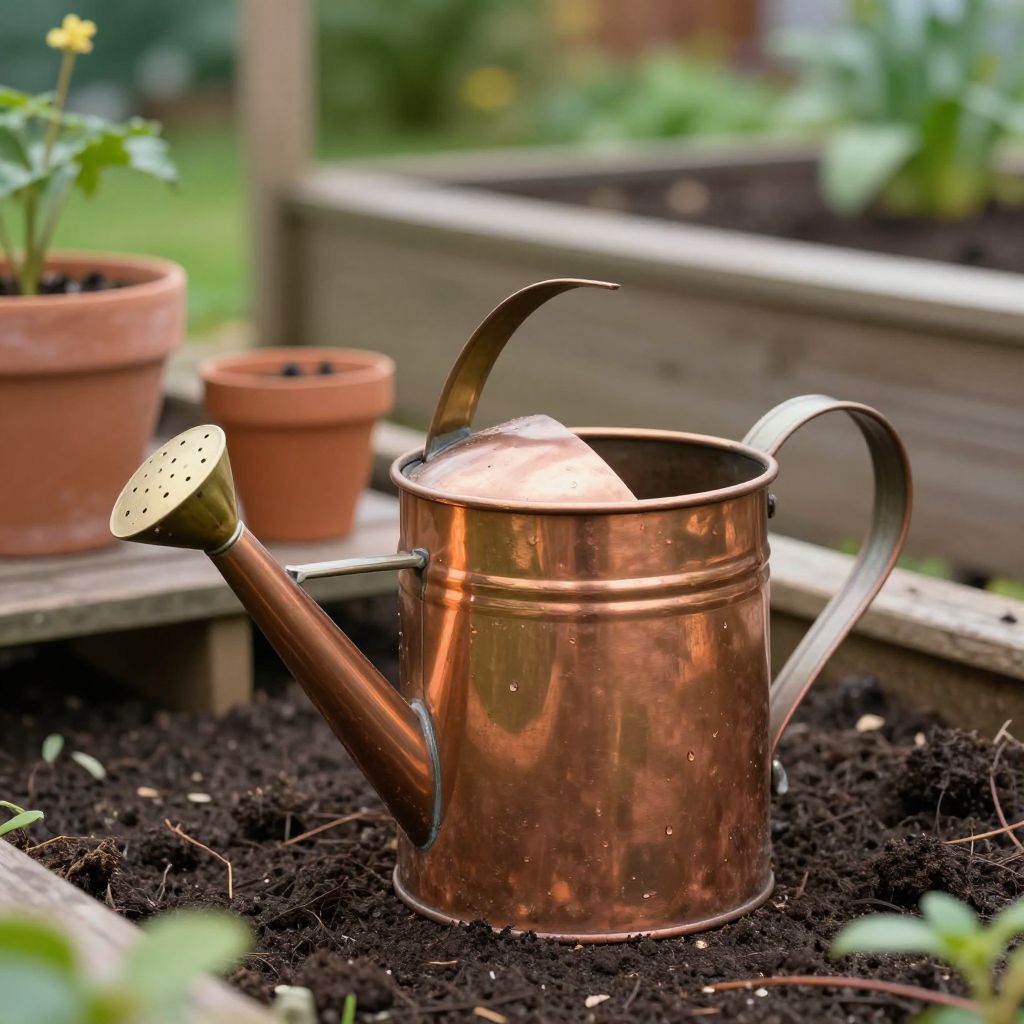
Trying to decide whether a copper watering can is actually useful in the garden, or just attractive on a shelf? The short answer is that it can be both, but the real value depends on how you use it and what you’re watering.
A copper watering can is a practical hand-watering tool for containers, seedlings, houseplants, and small garden beds. Choose one with a comfortable handle, a balanced weight, and a fine rose for gentle watering. Keep in mind that copper is a material choice, not a shortcut: good watering technique still matters more than the can itself.
What is a copper watering can, and is it worth using?
A copper watering can is a watering tool made from copper or copper-finished metal, often chosen for its durability, appearance, and even water flow. It works well for precise watering, especially for delicate plants. If it has a well-made spout and rose, it can be a very useful everyday tool rather than just a decorative item.
How to choose the right copper watering can
The best watering can is the one you can lift comfortably when full and use without splashing. For most home gardeners, function matters more than size or shine.
Size and weight
- Small cans are easier for indoor plants, seedlings, and balcony containers.
- Larger cans suit patios and small beds, but a full can gets heavy quickly.
- If you have wrist, shoulder, or grip issues, choose a lighter can and refill more often.
Spout and rose design
A long spout helps you reach under foliage and direct water to the soil, not the leaves. A removable rose is especially useful because it lets you switch between a gentle shower and a steadier stream.
- Use a fine rose for seedlings, newly potted plants, and tender foliage.
- Use a plain spout for established pots or thirsty shrubs in containers.
- Check that the rose openings are even so water spreads smoothly.
Build quality matters
Look for a sturdy handle attachment, a stable base, and seams that feel solid. Decorative cans can be beautiful, but if the handle bends or the rose leaks badly, they become frustrating to use.
When a copper watering can is most useful
Hand watering is best when you need control. A copper watering can shines in situations where a hose is too strong, too bulky, or simply unavailable.
Best uses in the garden
- Watering seedlings and young transplants
- Indoor houseplants and greenhouse plants
- Balcony boxes, patio pots, and hanging baskets
- Small raised beds or herb gardens
- Targeted watering around new plantings
For larger lawns, borders, or dense vegetable plots, a watering can is usually too slow. In those areas, drip irrigation, soaker hoses, or a hose with a gentle attachment may be more practical.
How to water plants properly with a watering can
Good watering is about soaking the root zone evenly, not just wetting the surface. A copper watering can helps you place water exactly where plants need it.
- Fill the can with clean water and attach the rose if you need a softer flow.
- Water at the base of the plant, not over the whole canopy unless the plant benefits from overhead watering.
- Apply water slowly so it can soak in rather than run off.
- Pause and let the soil absorb water if it starts to puddle.
- Stop when the root zone is evenly moist, not waterlogged.
For containers, water until you see a little drainage from the bottom holes. For in-ground plants, water deeply enough to moisten the soil several inches down, especially during establishment.
How much water should you use?
There is no universal amount, because pot size, soil type, weather, plant species, and root depth all change the need. A dry, windy day can empty a pot much faster than a cool, cloudy one. Check the soil with your finger before watering.
- If the top 1 to 2 inches of potting mix are dry, many container plants need water.
- For beds, water when the soil feels dry below the surface and plants begin to lose firmness.
- Newly planted shrubs and perennials usually need more frequent attention than established plants.
Best plants for a copper watering can
Any plant can be watered with one, but some benefit more from the control and gentleness of a hand can.
Good matches
- Seedlings that can be disturbed by a strong spray
- Houseplants that need careful, measured watering
- Herbs in pots, where overwatering is a common mistake
- Tomatoes and peppers in containers, watered at the base
- Ferns and shade plants that prefer even moisture without harsh splashing
Less suitable situations
A watering can is less efficient for large vegetable rows, mature trees, or wide ornamental beds. In those cases, use it for spot watering, then switch to a more efficient system for the rest of the garden.
Soil, drainage, and why they matter more than the can
Even the nicest copper watering can cannot fix poor drainage or badly prepared soil. If water sits on the surface or the pot stays soggy, the problem is usually the growing medium, not the tool.
For containers
- Use a potting mix designed for containers, not garden soil.
- Make sure pots have drainage holes.
- Empty saucers after watering unless the plant specifically prefers consistently moist conditions.
For garden beds
- Improve heavy clay with compost to help water move through more evenly.
- Mulch around plants to reduce evaporation and keep moisture more stable.
- Water slowly so the soil can absorb it instead of shedding it.
Tip: If water runs off quickly, apply it in two or three passes rather than all at once.
Seasonal watering tips for copper watering can use
Watering needs change through the year. A can is most helpful when you adjust your routine to the season instead of watering on autopilot.
Spring
Spring planting often means young roots and cool soil. Water newly planted containers and beds carefully so the root zone stays evenly moist while roots establish.
Summer
Hot weather increases evaporation, especially in pots and hanging baskets. Water early in the day when possible, and check containers daily during heat waves.
Autumn
Plants usually need less water as temperatures drop, but windy, dry weather can still dry containers quickly. Continue checking soil rather than assuming rainfall is enough.
Winter
Indoor plants and greenhouse plants may still need water, but much less often. Outdoor containers can dry out in cold, bright weather, especially if they are sheltered from rain.
Common problems with copper watering cans
Most issues are simple to fix once you know what to look for. A good watering can should support careful plant care, not make it harder.
Water leaks from the rose
This often means the rose is loose, clogged, or poorly fitted. Rinse it out, remove debris, and make sure the attachment is seated properly.
The can feels too heavy
Use smaller fills, especially if you are watering multiple pots. A half-full can is often easier to control than a heavy one that strains your wrist.
Water comes out too fast
That usually means the rose is missing or the holes are too large for delicate plants. Use the rose for a gentler shower and pour more slowly.
The finish tarnishes
Copper naturally changes color over time. That does not usually affect function, but if you want to preserve the appearance, dry the can after use and store it indoors.
How to care for a copper watering can
Simple maintenance keeps the can working smoothly and helps it last longer. Most care is about cleaning, drying, and preventing buildup.
- Empty leftover water after use.
- Rinse the can occasionally to remove sediment or algae.
- Dry it before storage to reduce spotting and corrosion.
- Check the rose for clogged openings and clear them gently.
- Store it out of harsh weather if you want to preserve the finish.
If you use collected rainwater, strain out debris before filling the can. Small particles can clog the rose faster than clean tap water.
Decorative value versus practical value
Many gardeners buy a copper watering can because it looks beautiful in the shed, greenhouse, or potting area. That is a fair reason, but the best ones combine style with comfort and reliable flow.
If you keep your can on display, choose one that is also easy to lift, pour, and clean. A tool that looks good but drips, clogs, or strains your hand will not stay in regular use for long.
Simple buying checklist
Before you choose a copper watering can, check these basics:
- Does it feel balanced when partly filled?
- Is the handle comfortable to grip?
- Does the spout reach where you need it?
- Is the rose fine enough for seedlings and houseplants?
- Can you remove and clean the rose easily?
- Will the size suit your garden, not just your shelf?
Conclusion: make the can work for your plants
A copper watering can is a useful garden tool when it matches your space, your plants, and your watering habits. Choose one that is comfortable, fills and pours well, and gives you control over where the water goes.
For related practical gardening reading, you may also want to explore container watering tips and how to improve garden drainage for healthier plants and easier routine care.