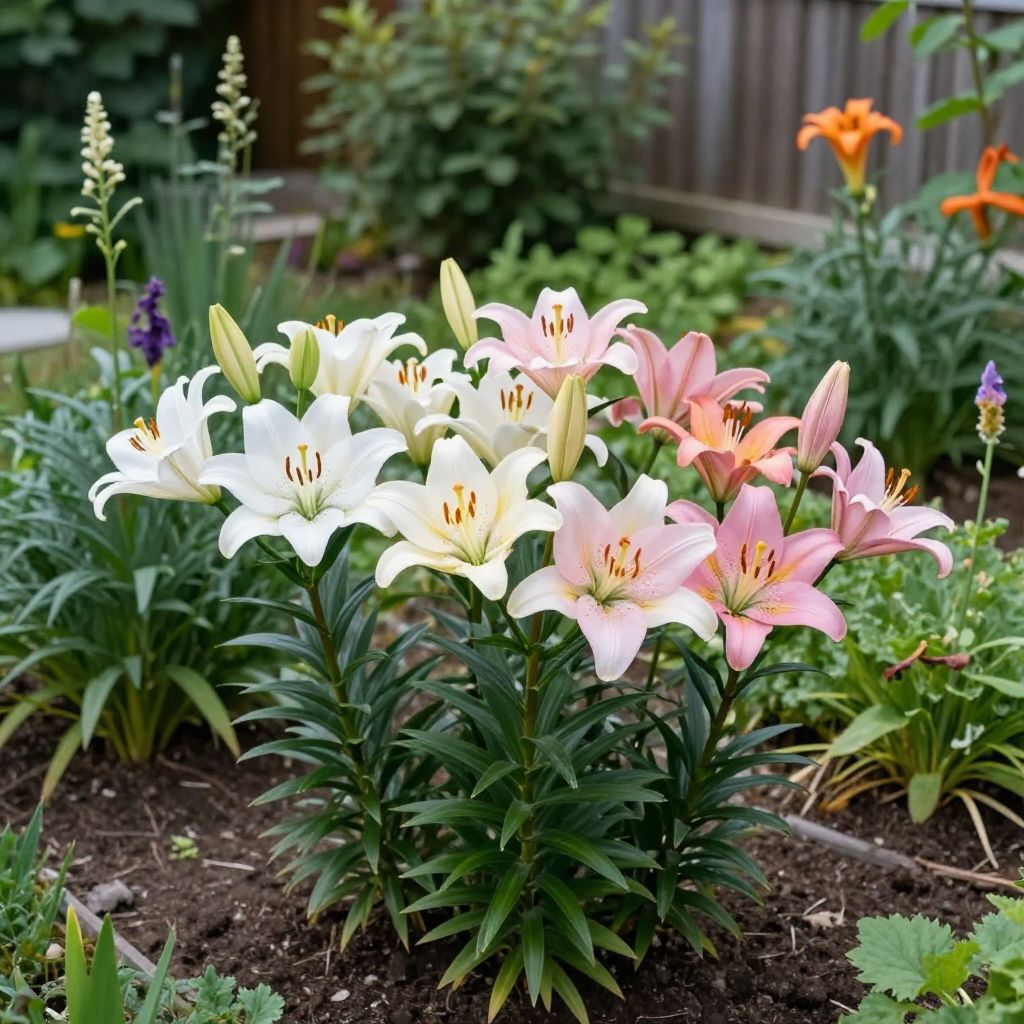
When are lilies in season? The short answer is that most garden lilies bloom in summer, but the exact timing depends on the type of lily, your climate, and how you grow them. Some lilies start in late spring, while others flower well into midsummer or early fall.
If you want lilies at their best, it helps to know whether you mean garden lilies in the ground, potted lilies, or cut lilies from a florist. Each follows a slightly different seasonal pattern, and a little timing makes a big difference in bloom quality.
When are lilies in season?
Most true lilies (Lilium spp.) are in season from late spring through summer, with peak bloom often falling in early to mid-summer. Asiatic lilies usually bloom first, Oriental lilies bloom later, and some species or hybrids extend the display into late summer. In warm climates, bloom may start earlier; in cool climates, it may begin later.
Understanding lily bloom seasons
Lilies are not all one plant in terms of timing. Different groups bloom at different points in the season, which is why you may see lilies appearing over a long stretch of the year in gardens and flower markets.
Common lily groups and their usual bloom windows
- Asiatic lilies often bloom first, usually in late spring to early summer.
- Oriental lilies typically bloom later, often in mid- to late summer.
- Trumpet and Aurelian lilies tend to flower in mid-summer.
- Species lilies vary widely, depending on the exact plant and local climate.
Because of this spread, a well-planned lily bed can give you flowers for several weeks or even longer. If you plant different types together, you can extend the season naturally.
What affects lily season in your garden
- Climate: Warm regions usually see earlier bloom; cool regions see later bloom.
- Sunlight: More sun generally means stronger growth and better flowering.
- Soil drainage: Poor drainage can delay growth or cause bulbs to rot.
- Plant age: Newly planted bulbs may bloom later or less heavily the first year.
- Weather: A cool spring can push bloom time back by weeks.
How to tell when lilies are ready to bloom
As lilies approach bloom, you’ll notice upright stems, healthy leaves, and swelling flower buds near the top. The buds should be firm and full, not shriveled or soft. Once the first bud starts to show color, flowering is usually close.
Signs your lilies are on schedule
- Stems are tall, straight, and sturdy.
- Leaves are green and evenly spaced.
- Bud clusters are forming at the top of the stem.
- The first buds begin to show the flower color.
If the plant is leafy but not forming buds, it may be getting too much shade, too much nitrogen, or not enough time to establish. Lilies often need a season or two to settle in before they flower heavily.
Best growing conditions for seasonal lily blooms
To get lilies in season at the expected time, focus on the basics: sun, drainage, and steady moisture. Lilies are not difficult, but they dislike soggy soil and crowded roots.
Sunlight
Most lilies bloom best in full sun to partial sun. In hot climates, a little afternoon shade can help protect flowers from scorching. In cooler climates, more sun is usually better.
Soil
Lilies prefer soil that is loose, fertile, and well drained. A slightly acidic to neutral pH is generally suitable, but drainage matters more than exact pH for most home gardeners.
If your soil is heavy clay, work in compost to improve structure, but avoid making the planting hole into a “bathtub” that holds water. Bulbs in wet soil can rot before they ever bloom.
Watering
Water lilies when the top layer of soil begins to dry, especially during active growth and bud formation. Keep the soil evenly moist, not saturated. Once flowers fade and foliage begins to yellow, reduce watering gradually.
Planting lilies for the right season
The best planting time depends on your climate and whether you’re planting bulbs in the ground or in containers. In many regions, autumn is a common planting season for dormant lily bulbs, while spring planting can also work if the soil is workable and not waterlogged.
How to plant lily bulbs
- Choose a site with good drainage and adequate sun.
- Loosen the soil deeply and mix in compost if needed.
- Plant bulbs at a depth about three times their height, unless the bulb supplier gives different guidance.
- Space bulbs so air can move between stems.
- Water well after planting, then keep the soil lightly moist as roots establish.
For containers, use a pot with drainage holes and a high-quality potting mix. Container lilies can bloom beautifully, but they dry out faster than garden soil, so check moisture more often.
Should you plant lilies in spring or fall?
- Fall planting is often ideal in mild climates because bulbs can root before winter.
- Spring planting works well in colder areas or where winter wetness is a problem.
- Local conditions matter: in very hot or very wet regions, timing may need to shift.
If you’re unsure, follow local nursery advice for your region. The goal is to give bulbs time to root without exposing them to extreme heat, freezing ground, or standing water.
How to keep lilies blooming at their best
Once lilies are growing, a few simple habits help them stay on schedule and flower well. The biggest mistake is neglecting them until bloom time and then trying to fix problems too late.
Practical care during the growing season
- Mulch lightly to help the soil hold moisture and moderate temperature.
- Stake tall varieties if wind or rain threatens to bend stems.
- Remove spent flowers to keep the plant tidy.
- Leave the foliage in place until it yellows naturally.
Do not cut back green lily foliage too early. The leaves feed the bulb for next year’s bloom. If you remove them too soon, the plant may return with fewer flowers the following season.
Fertilizing without overdoing it
A light feeding at planting time or early in spring is usually enough for many garden lilies, especially if your soil is already fertile. Too much nitrogen can produce lots of leaves but fewer flowers, so avoid heavy feeding aimed at leafy growth.
Why lilies may bloom early, late, or not at all
If your lilies are not blooming when expected, the cause is often environmental rather than a serious disease. Timing shifts are common, especially after weather swings or transplanting.
Common reasons for delayed bloom
- Not enough sunlight
- Bulbs planted too shallow or too deep
- Poor drainage or compacted soil
- Cold spring or sudden weather changes
- Newly planted bulbs still establishing roots
- Pests or disease weakening the plant
If the plant looks healthy but blooms are late, give it time. If stems are weak, leaves are spotted, or buds fail to open, inspect for pests, disease, or moisture problems.
Common lily pests and diseases that affect bloom timing
Healthy lilies usually bloom on schedule, but a few pests and diseases can interfere with flowering or damage buds before they open.
Problems to watch for
- Lily beetles: Adults and larvae can strip leaves quickly.
- Aphids: These sap-sucking insects may distort new growth and buds.
- Botrytis: A fungal disease that can cause leaf spots and flower damage in damp conditions.
- Bulb rot: Often linked to poorly drained soil or overwatering.
Good airflow, clean garden habits, and proper watering go a long way. Remove badly damaged foliage, avoid overhead watering late in the day, and keep the area around the plants free of debris.
Cut lilies: when they are in season for bouquets
For cut flowers, lily season often mirrors garden bloom season, but florist supply can extend beyond the garden calendar. In many areas, local lilies are most available from late spring through summer, while greenhouse-grown flowers may be available longer.
If you’re cutting lilies from your own garden, harvest them when the first bud has color but before all flowers fully open. That gives the longest vase life and lets the remaining buds open indoors.
Tips for cutting lilies
- Cut stems early in the morning or in cool weather.
- Use clean, sharp pruners or scissors.
- Leave plenty of foliage on the plant.
- Place stems in water right away.
Be aware that lily pollen can stain clothing and surfaces. If you want to reduce mess, gently remove the anthers from open flowers before bringing them indoors.
Extending lily color through the season
If you want lilies in season for as long as possible, choose varieties with staggered bloom times. Combining early, midseason, and late-flowering types gives you a longer display without complicated care.
Simple ways to stretch bloom time
- Plant early, midseason, and late-blooming lilies together.
- Grow them in a sunny, well-drained bed.
- Keep plants evenly watered during bud formation.
- Deadhead faded flowers, but leave stems and leaves until they yellow.
- Divide overcrowded clumps only when needed, and replant promptly.
In mixed borders, lilies pair well with plants that hide fading lower stems, such as low perennials or compact shrubs. This keeps the planting attractive even after the flowers finish.
What to do after lilies finish blooming
After flowering, the plant shifts its energy back into the bulb. This is an important part of the season, and it affects next year’s bloom.
Post-bloom care
- Remove spent flowers before seed pods form, unless you want seed.
- Keep watering moderately while leaves remain green.
- Let the foliage die back naturally.
- Cut stems down only after they turn yellow or brown.
Do not tie foliage into knots or cut it back while it is still green. The leaves are still working for next year’s flowers.
Conclusion
So, when are lilies in season? For most gardeners, the main bloom window is late spring through summer, with specific timing depending on the lily type and local climate. If you match the right lily to the right site, you can enjoy weeks of color with very little fuss.
For more seasonal planning, you may also want to read about how to care for bulbs after flowering and choosing the best flowering plants for summer borders.