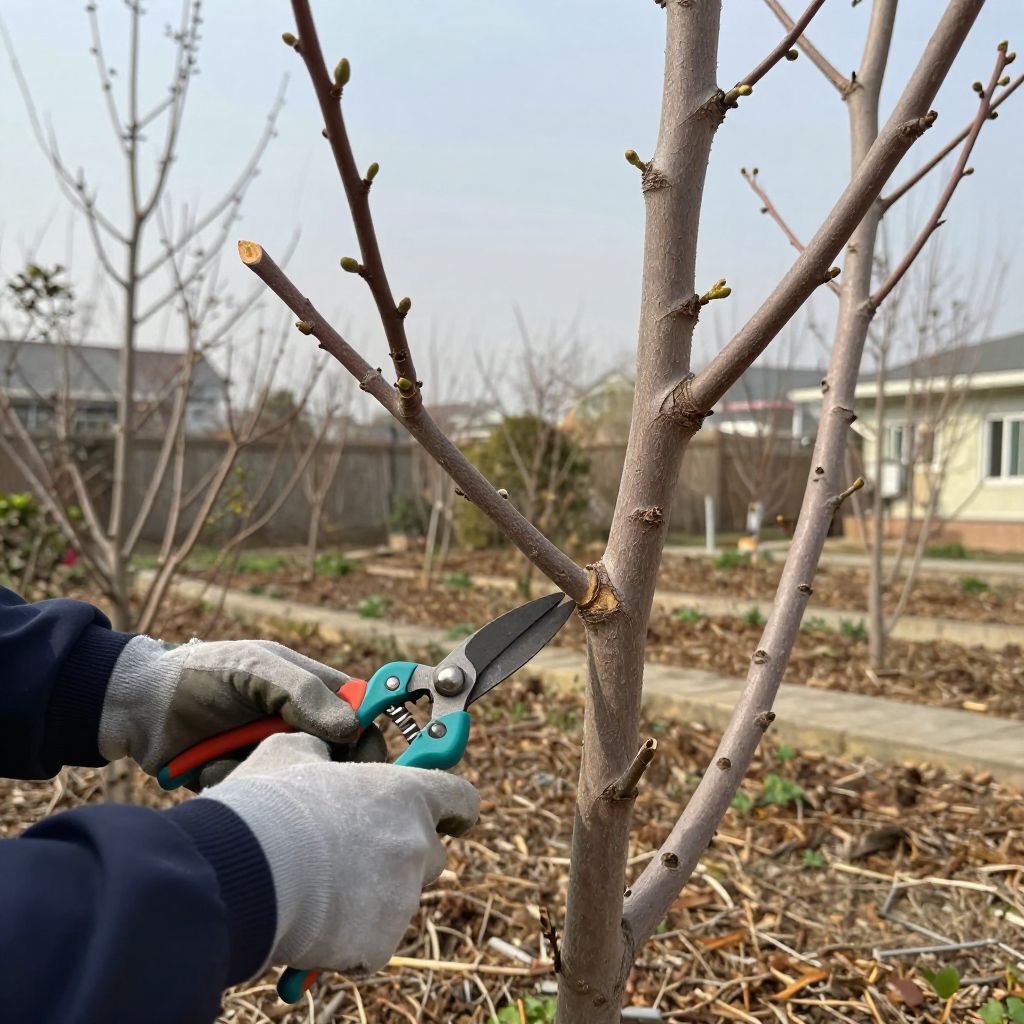
Wondering when to prune crepe myrtle without ruining the bloom display or ending up with awkward “crape murder” stubs? Timing matters more than most gardeners realize, because the wrong season can reduce flowering and leave the plant vulnerable to stress.
The good news: crepe myrtles are forgiving when you prune them lightly and at the right time. With a few simple rules, you can shape the tree, remove problem growth, and keep it healthy without sacrificing next season’s flowers.
When to prune crepe myrtle?
The best time to prune crepe myrtle is late winter to very early spring, while the plant is still dormant and before new growth begins. In most climates, that means pruning after the coldest weather has passed but before buds swell. Avoid heavy pruning in fall, and don’t cut hard in summer unless you are removing damaged or diseased wood.
Why timing matters for crepe myrtle pruning
Crepe myrtles bloom on new growth, so pruning at the wrong time can delay flowering or trigger weak, overly vigorous shoots. Late-winter pruning gives the plant time to heal before active growth starts, and it makes it easier to see the branch structure when leaves are off the tree.
Pruning too early in a warm spell can encourage tender new growth that may be damaged by a late frost. Pruning too late in spring can remove developing buds and reduce the number of flowers you get.
Best seasonal window
- Late winter to early spring: Best overall time for shaping and structural pruning.
- During dormancy: Easier to see crossing branches, suckers, and dead wood.
- After frost risk eases: Helpful in colder regions where late freezes are common.
How much should you prune?
Most crepe myrtles need only light to moderate pruning. Focus on removing dead, damaged, rubbing, or crowded branches rather than topping the tree. A well-shaped plant usually needs far less cutting than people expect.
Never top a crepe myrtle by cutting all main stems to the same height. Topping creates ugly stubs, weak growth, and lots of thin shoots that can break in wind or heavy bloom.
What to remove first
- Dead, broken, or diseased branches.
- Branches that cross or rub against each other.
- Suckers from the base or roots, if you want a tree form.
- Small inward-growing shoots that crowd the center.
- Very low branches that interfere with walkways or mowing.
Step-by-step pruning guide
Use clean, sharp tools and make deliberate cuts. The goal is to improve structure, not to force the plant into a shape it naturally does not want.
1. Inspect the plant first
Walk around the crepe myrtle and look for dead wood, crossing stems, and any branches that look weak or crowded. Decide whether you want a multi-stem shrub form or a single-trunk tree form before you cut.
2. Remove dead and damaged wood
Cut dead branches back to healthy tissue or to the branch collar where they join a larger stem. If you are unsure whether a stem is alive, scratch a small area of bark with your fingernail; green tissue underneath usually means it is still living.
3. Thin out crowded growth
Choose the weakest or most awkward stems to remove so the canopy has better air movement and light penetration. This helps reduce disease problems and supports stronger flowering.
4. Shorten only what is necessary
If a branch is too long or out of place, cut it back to a side branch or bud rather than shearing it into a blunt stub. Make each cut just above a bud or lateral branch that points in the direction you want new growth to go.
5. Clean up suckers
Crepe myrtles often send up shoots from the base or roots. Remove unwanted suckers promptly, especially if you want a neat tree shape. If you prefer a shrub form, you can leave some of the lower stems in place.
Pruning crepe myrtle by plant size and form
Not every crepe myrtle should be pruned the same way. The right approach depends on whether you are growing a small landscape shrub, a multi-trunk specimen, or a trained tree.
Young plants
For young crepe myrtles, focus on training. Remove weak, crossing, or damaged stems and select the strongest framework branches. Light shaping early on helps create a better long-term structure.
Mature shrubs
Mature shrub-form crepe myrtles usually need thinning more than shortening. Keep the natural vase-like or rounded shape, and remove only enough growth to maintain balance and airflow.
Tree-form crepe myrtles
If you want a tree form, gradually remove lower branches over several seasons rather than stripping the trunk all at once. This gradual approach reduces stress and gives a cleaner, more natural look.
What not to do when pruning crepe myrtle
Some pruning mistakes are so common that they deserve special attention. Avoiding them will save you years of awkward regrowth and poor flowering.
- Do not top the plant. This is the most damaging mistake.
- Do not prune heavily in fall, when tender new growth may be injured by cold.
- Do not remove all lower branches at once on a mature plant unless you are correcting a serious problem.
- Do not leave long stubs, which can die back and invite pests or decay.
- Do not use dirty tools that can spread disease from plant to plant.
How climate affects pruning time
Your local climate should guide the exact pruning window. In warmer regions, late winter pruning may happen earlier on the calendar. In colder areas, it is safer to wait until the worst freezes are over.
If your area has erratic spring weather, watch the plant rather than relying only on the date. Prune when the crepe myrtle is still dormant but close enough to spring that the plant can resume growth soon after.
Simple rule for timing
- Warm climates: Prune in late winter before buds break.
- Cold climates: Wait until late winter or very early spring, after severe freeze risk decreases.
- Frost-prone areas: Avoid pruning too early, especially if fresh cuts may coincide with a cold snap.
Tools and cleanup tips
Good tools make cleaner cuts and reduce stress on the plant. For smaller stems, use hand pruners; for thicker branches, use loppers or a pruning saw. Keep blades sharp so you do not crush the wood.
Before you start, wipe blades with rubbing alcohol or another suitable disinfectant, especially if you have been pruning a diseased plant. After pruning, collect cuttings and dispose of them if they show signs of disease or pest damage.
Common problems after pruning
Sometimes a crepe myrtle responds to pruning with lots of thin, upright shoots. That usually means the plant was cut too hard. In that case, let the new growth settle and avoid repeating severe cuts next season.
If you notice poor flowering after pruning, the most likely causes are pruning at the wrong time, removing too much growth, too little sun, or general plant stress. Crepe myrtles bloom best in full sun, and shaded plants often flower less even when pruned correctly.
Watch for these issues
- Water sprouts: Fast, weak shoots after heavy cutting.
- Low bloom count: Often linked to late or excessive pruning.
- Dieback: Can follow winter injury or rough cuts.
- Poor airflow: Dense growth may encourage leaf spot or powdery mildew.
Can you prune crepe myrtle in summer?
Light summer pruning is fine for removing broken branches, dead wood, or spent flower clusters if you want a tidier look. However, avoid major shaping in summer unless there is a clear reason, because you may remove active growth and reduce the next flush of flowers.
If your plant is overgrown, it is usually better to wait for the dormant season and make selective cuts then. That gives you a better view of the structure and a more controlled result.
How pruning fits into overall crepe myrtle care
Pruning works best when the plant is already growing in a good site. Crepe myrtles prefer full sun, well-drained soil, and enough space to develop naturally. If the plant is crowded, shaded, or planted in soggy soil, pruning alone will not solve the problem.
For newly planted crepe myrtles, focus first on establishment. Water deeply during dry periods while roots are developing, and wait to do major shaping until the plant is settled in and actively growing.
Quick pruning checklist
- Prune in late winter or very early spring.
- Remove dead, damaged, and crossing branches first.
- Thin crowded growth instead of topping the plant.
- Keep cuts clean and just above a bud or branch collar.
- Adjust timing slightly for your local climate and frost risk.
Conclusion
If you are asking when to prune crepe myrtle, the safest answer is late winter to very early spring, before new growth starts. Keep the cuts selective, avoid topping, and let the plant keep its natural shape. If you are unsure, start with the dead wood and crossing branches, then step back and prune only what truly needs removing.
For more useful seasonal care, you may also want to read about crepe myrtle pruning basics and general crepe myrtle care.