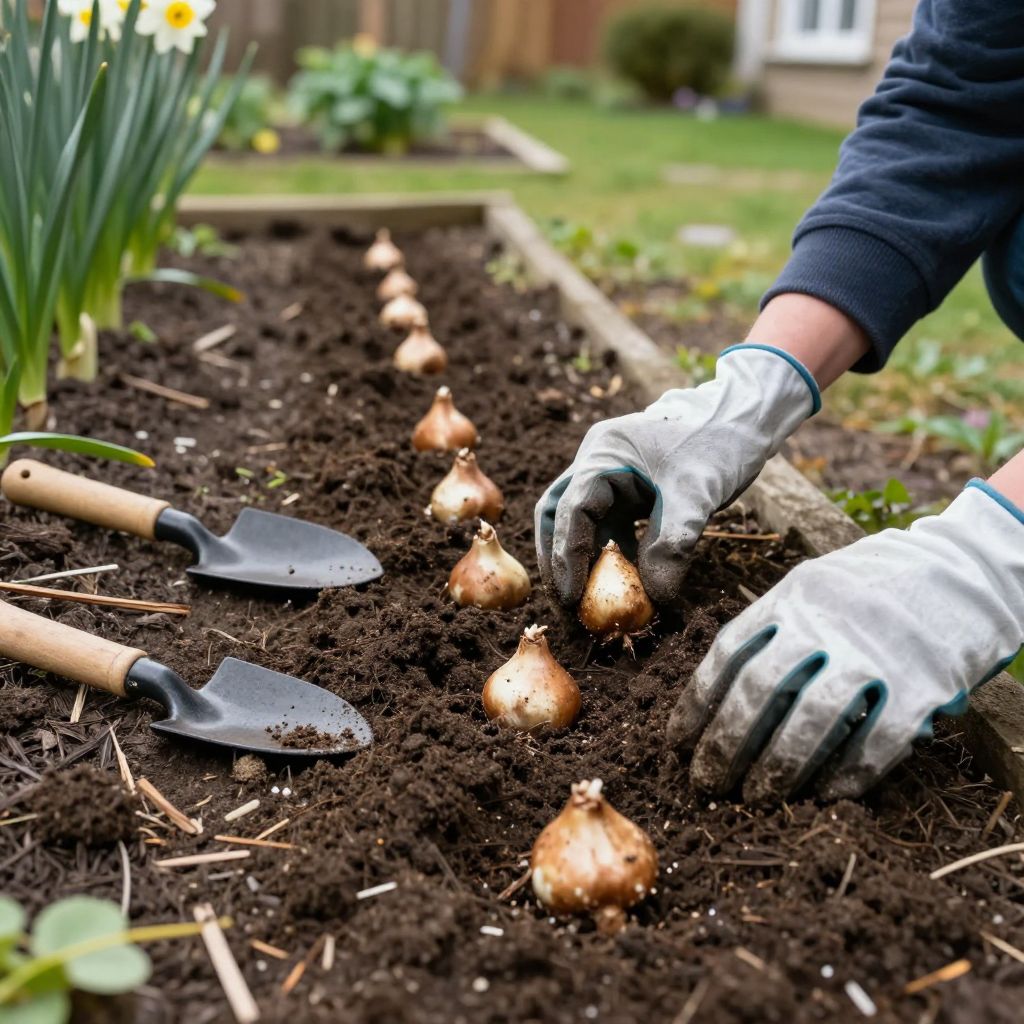
Wondering when to plant daffodils so they bloom well in spring? The best time is usually in autumn, before the ground freezes, while the soil is still workable and cool. That gives the bulbs time to root before winter, which helps them flower strongly when temperatures rise.
Planting at the right time matters because daffodil bulbs need a cold period to set blooms, but they also need enough time to establish roots. If you plant too early in hot soil or too late after the ground has frozen, the bulbs may struggle or flower poorly.
When To Plant Daffodils?
Plant daffodil bulbs in fall, ideally 2 to 4 weeks before the ground freezes in your area. In many climates, that means September through November. The soil should be cool, not frozen, and the bulbs should be planted before winter so they can root before spring growth begins.
Why Fall Is the Best Time for Daffodil Bulbs
Daffodils are spring-flowering bulbs, and they need a period of cold dormancy to bloom properly. Fall planting gives them time to settle into the soil, form roots, and prepare for winter.
If you plant in spring, the bulbs usually will not bloom well because they have missed the cold period and may not have enough time to establish. In most gardens, fall planting is the standard and most reliable approach.
What if you live in a mild-winter climate?
In warmer regions, daffodils can still be planted in fall, but timing may shift later because the soil stays warm longer. The key is to wait until temperatures cool enough for root growth without encouraging top growth too early.
If winters are very mild, choose varieties that are known to perform well in your region, and make sure the bulbs receive enough seasonal chill. In containers, you may need to provide a colder exposure than the garden naturally offers.
How to Plant Daffodils the Right Way
Good planting technique matters as much as timing. Daffodil bulbs need well-drained soil, the right depth, and enough spacing to grow and multiply over time.
- Choose a sunny or lightly shaded spot. Daffodils bloom best in full sun, but they can tolerate light shade, especially under deciduous trees that leaf out later.
- Check drainage. Avoid areas where water sits after rain. Bulbs can rot in soggy soil.
- Prepare the soil. Loosen the soil and mix in compost if it is poor or compacted. Aim for soil that drains freely.
- Plant at the proper depth. A common rule is to plant bulbs about 2 to 3 times as deep as the bulb is tall, often around 6 inches deep for many daffodils.
- Space them well. Leave several inches between bulbs so they have room to expand and multiply.
- Water after planting. Give the bulbs a thorough watering to settle the soil around them.
Best soil conditions
Daffodils prefer fertile, well-drained soil with moderate moisture. They do not like heavy, waterlogged clay unless it has been improved with organic matter or planted in raised beds.
If your soil is dense, mix in compost and consider planting in a raised bed or on a slope. That extra drainage can make a big difference in bulb health.
How Late Can You Plant Daffodils?
You can often plant daffodils later in fall if the ground is still workable. The bulbs may still root in cool soil, but the later you wait, the less time they have to establish before winter.
If you find bulbs late in the season, plant them as soon as possible rather than storing them for months. If the soil is frozen, you can pot them temporarily and move them into the ground when conditions improve, but outdoor fall planting is still best.
Signs you waited too long
- The ground is frozen or too hard to dig.
- Soil temperatures are very cold and root growth has likely stopped.
- Bulbs are already sprouting strongly above ground in storage.
If you miss the fall window, do not expect the same results from spring planting. The bulbs may survive, but flowering can be weak or absent the following season.
Sunlight, Water, and Care After Planting
After planting, daffodils need only modest care. The goal is to keep the soil lightly moist while roots develop, then let nature handle most of the rest through winter and spring.
Watering
Water bulbs thoroughly after planting. After that, only water again if the soil dries out and there is no rainfall, especially during the first few weeks.
Once established, daffodils are fairly drought-tolerant during summer dormancy. Overwatering is more harmful than slight dryness, particularly in heavy soils.
Sunlight
Daffodils bloom best with at least half a day of sun. In cooler climates, full sun is ideal. In warmer areas, morning sun and light afternoon shade can help the flowers last longer.
Mulching
A light mulch can help conserve moisture and moderate soil temperature, but do not bury the bulbs too deeply. Keep mulch loose and avoid piling it directly against emerging shoots in spring.
Common Mistakes to Avoid
Many daffodil problems come from planting too shallowly, too deeply, or in the wrong soil. A little planning now prevents disappointing blooms later.
- Planting in wet soil. Bulbs need drainage more than frequent watering.
- Planting too early in warm weather. Hot soil can encourage poor rooting or premature growth.
- Planting too late. Bulbs need time to root before winter.
- Cutting foliage too soon after bloom. Leaves must stay in place until they yellow naturally.
- Overcrowding bulbs. Crowded clumps can reduce flowering over time.
What to Do After Daffodils Bloom
After flowering, let the foliage remain until it turns yellow or brown. The leaves feed the bulb for next year’s bloom, so removing them too early weakens the plant.
You can deadhead spent flowers to keep the plant tidy, but leave the leaves alone. If the clump becomes crowded after a few years, divide and replant the bulbs once the foliage has died back.
Should you fertilize daffodils?
In many gardens, a light application of compost or a balanced bulb fertilizer at planting time is enough. If your soil is poor, feeding after flowering can help the bulbs recharge, but avoid overfertilizing, which can encourage leaves at the expense of flowers.
Pests and Diseases That Affect Daffodils
Daffodils are usually reliable, but poor drainage and damaged bulbs can lead to problems. Healthy planting conditions are the best prevention.
- Bulb rot: Often caused by wet soil or poorly draining beds.
- Narcissus bulb fly: Can damage bulbs in some areas, especially if bulbs are injured or stored poorly.
- Rodents: Daffodil bulbs are less appealing than many other bulbs, but they can still be disturbed when soil is loose.
- Fungal issues: More likely in damp, crowded, or poorly ventilated plantings.
If bulbs are soft, moldy, or smell rotten before planting, discard them. Firm, healthy bulbs are much more likely to establish well.
Can You Plant Daffodils in Containers?
Yes, daffodils grow well in pots if the container drains freely and the bulbs are planted in fall. Container-grown bulbs dry out faster than those in the ground, so they need a little more attention to moisture.
Use a pot with drainage holes and a quality potting mix, not heavy garden soil. In cold climates, containers may need winter protection because roots in pots are more exposed to freezing than roots in the ground.
How Daffodils Multiply Over Time
Daffodils often naturalize, meaning they spread gradually into larger clumps. If conditions are right, one bulb can become several over a few seasons.
To encourage naturalizing, plant in a sunny site with decent drainage and avoid disturbing the bulbs too often. If bloom size declines, it may be time to dig, divide, and replant the clumps after the foliage dies back.
Quick Planting Checklist
- Plant in fall, before the ground freezes.
- Choose a sunny, well-drained site.
- Plant bulbs about 6 inches deep, or 2 to 3 times the bulb height.
- Space bulbs several inches apart.
- Water after planting, then only as needed.
- Leave foliage in place after bloom until it yellows naturally.
If you want more spring bulbs, compare daffodil care with other fall-planted favorites and plan your bed while the soil is still workable. A good next step is to check how to plant spring bulbs and fall bulb care tips so you can build a longer-lasting spring display.