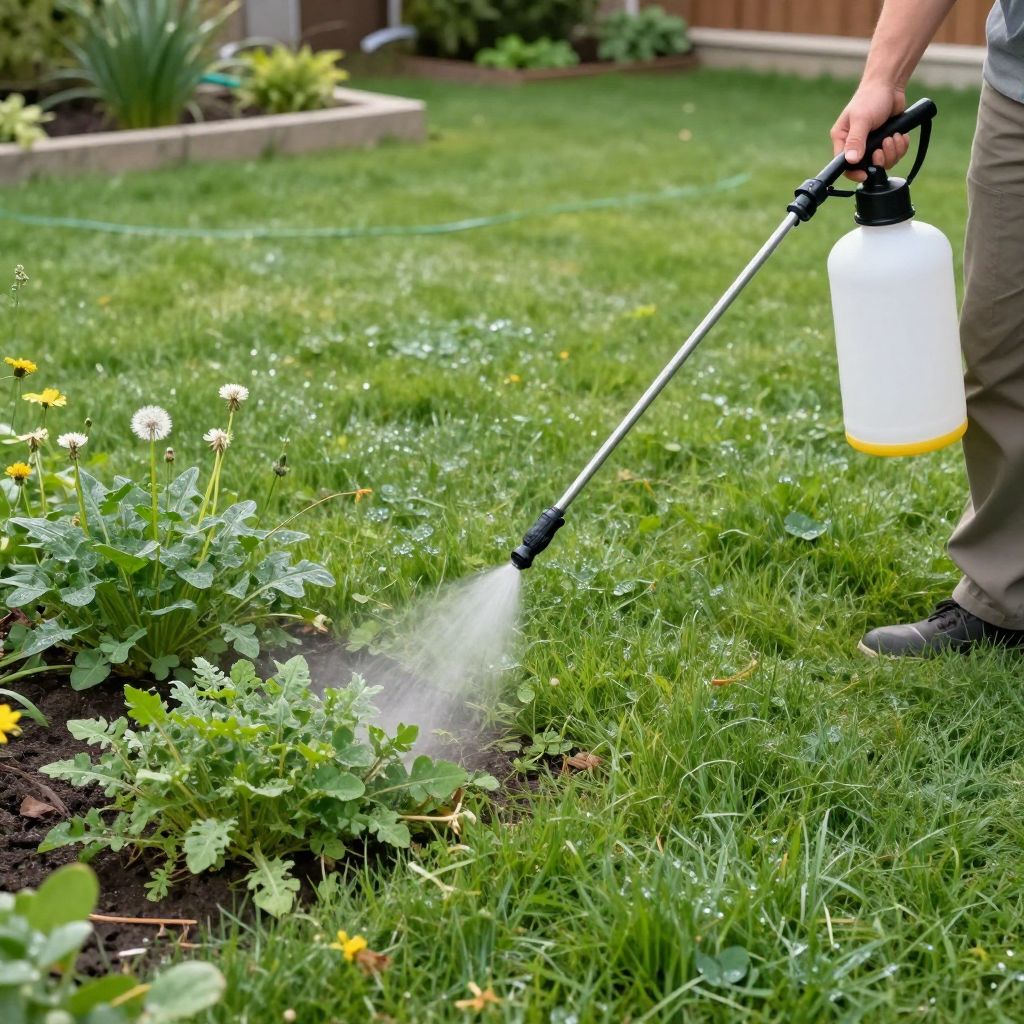
Why is Lescohid herbicide good, and when is it the right choice for your lawn or landscape? The short answer is that a good herbicide is one that matches the weed problem, the turf or plant area you want to protect, and the conditions on site. If Lescohid is being used correctly, it can help control unwanted weeds efficiently while reducing repeated hand-weeding and patchy results.
But “good” depends on more than just weed-killing power. You also need to consider timing, weather, lawn type, soil moisture, and whether the product is labeled for your specific use. The best results come from careful application and realistic expectations, not from spraying harder or more often.
Why Is Lescohid Herbicide Good?
Lescohid herbicide is good when it is used for the right weed problem, on the right site, and at the right time. A useful herbicide should control target weeds effectively, fit the plant area you are treating, and be applied according to the label so you avoid turf injury, wasted product, and poor weed control.
What Makes a Herbicide “Good” in the Garden?
A herbicide earns its value by solving a specific problem without creating new ones. For home gardeners, that usually means it is effective on the weeds you actually have, safe for the grass or plants you want to keep, and practical to use in your local conditions.
Key traits to look for
- Correct weed control: It targets the weeds present, whether broadleaf weeds, grassy weeds, or sedges.
- Label fit: It is approved for lawns, ornamental beds, or other areas you are treating.
- Predictable results: It works best under the conditions listed on the label.
- Manageable risk: It can be used without harming desirable plants when directions are followed.
- Practical use: It is easy to mix, apply, and repeat only when needed.
Common Reasons Lescohid Herbicide Performs Well
When gardeners say an herbicide is “good,” they often mean it gave visible weed suppression with reasonable effort. That can happen when the product matches the weed stage, weather, and application method.
1. It may work on active, young weeds
Many herbicides perform best when weeds are small and actively growing. Young weeds have less leaf surface and smaller root systems, so they are easier to control than mature, stressed, or flowering weeds.
2. It can reduce repeat hand-weeding
If used correctly, a herbicide can lower the amount of manual weed removal needed in lawns, paths, and some landscape areas. That is especially helpful where weeds are widespread or where hand-pulling would disturb soil and encourage more germination.
3. It may save time in larger areas
For bigger lawns or long borders, spot-treating every weed by hand can take a lot of time. A well-chosen herbicide can help you manage the problem more efficiently, especially when combined with mowing, edging, and proper turf care.
4. It can support a cleaner-looking landscape
Weeds compete with turf and ornamentals for light, water, and nutrients. Controlling them can improve the appearance of the area and reduce stress on desirable plants.
Common Causes of Poor Results
If Lescohid herbicide does not seem to work well, the problem is often not the product alone. Application mistakes, weather, weed size, or the wrong target area are common reasons for disappointing results.
Wrong weed type
Not every herbicide controls every weed. Some products are selective, meaning they target certain weeds but not others. If you are dealing with crabgrass, clover, dandelion, nutsedge, or another specific weed, confirm that the product is intended for that type.
Weeds are too mature
Larger weeds are harder to control because they have more stored energy and tougher growth. If weeds are already flowering or seeding, you may need a follow-up treatment or a different strategy such as digging out the crown and improving turf density.
Weather is working against you
Very hot, very dry, or very windy conditions can reduce herbicide performance or increase drift. Rain soon after application can also wash product away before it has time to work, depending on the formulation and label directions.
Application was uneven
Missed spots, overlapping passes, or incorrect sprayer calibration can lead to patchy control. Uneven coverage often looks like the herbicide “failed,” when the real issue is that the weeds did not receive enough product.
The lawn or plant is under stress
Drought, compaction, poor drainage, or recent mowing stress can make turf less able to tolerate herbicide use. Stressed plants also absorb and move some products less effectively, which can reduce results.
How to Use Herbicide More Successfully
Good weed control starts before you spray. A careful approach gives you better results and lowers the chance of damaging desirable plants.
- Identify the weed first. Broadleaf weeds, grassy weeds, and sedges often need different control strategies.
- Read the label completely. The label tells you where the product can be used, what weeds it controls, and what conditions to avoid.
- Check the weather. Choose a calm day with no rain expected during the label’s rainfast period.
- Treat actively growing weeds. Avoid treating drought-stressed or frost-damaged weeds unless the label says otherwise.
- Apply evenly. Calibrate your sprayer or spreader so you know how much area you are covering.
- Keep children and pets away until the treated area is safe according to the label.
Spot treatment vs. broadcast treatment
For a few isolated weeds, spot treatment is usually the smarter choice. For widespread infestations, a broadcast application may be more efficient, but only if the product is labeled for that use and your turf or planting area can tolerate it.
Soil, Water, and Lawn Conditions That Affect Results
Weed control is not just about the spray. Soil condition and lawn health strongly influence how well your landscape responds after treatment.
Drainage matters
Waterlogged soil stresses turf and can make weed pressure worse. If your lawn stays soggy, improve drainage where possible by reducing compaction, aerating compacted areas, and correcting grading or runoff issues.
Healthy turf helps suppress weeds
A dense, vigorous lawn shades the soil and makes it harder for weed seeds to germinate. Mowing at the correct height for your grass type, watering deeply but not too often, and feeding according to soil test results all help reduce future weed pressure.
Mulch helps in beds
In ornamental beds, a 2- to 3-inch layer of mulch can block light and reduce weed emergence. Keep mulch a few inches away from stems and trunks to avoid rot and pest problems.
Common Mistakes to Avoid
Many herbicide problems come from simple handling errors. Avoiding these mistakes can make a big difference in both safety and results.
- Using the product on a plant or area not listed on the label
- Spraying during wind, heat, or imminent rain
- Applying too much in hopes of faster control
- Treating weeds that are already large and stressed
- Using a dirty sprayer that still contains another chemical
- Mowing immediately before or after application when the label advises otherwise
- Ignoring nearby ornamentals, vegetable beds, or tree roots that may be sensitive
When Herbicide Is Not the Best First Fix
Sometimes the weed problem is a symptom of a bigger issue. If weeds keep returning in the same area, look at the growing conditions instead of relying only on repeated spraying.
Consider these underlying causes
- Thin turf from shade, traffic, or poor soil
- Compacted soil that limits root growth
- Improper mowing height
- Overwatering or poor drainage
- Bare soil left exposed after construction or renovation
In those cases, overseeding, aeration, soil improvement, or better mulching may do more long-term good than another herbicide application.
Practical Seasonal Considerations
The best time to control weeds depends on your climate and the weed’s growth cycle. In many regions, weeds are easiest to manage when they are actively growing and not under extreme heat or drought stress.
Spring
Spring is often a strong time for early weed control because many weeds are emerging and still small. It is also a good time to improve lawn density so desirable grass can compete better through the season.
Summer
Summer applications can work, but heat and drought can make timing more sensitive. Water-stressed turf and weeds may not respond as well, so watch conditions carefully and avoid treating during extreme heat unless the label allows it.
Fall
Fall is often an excellent time to reduce perennial weeds and prepare turf for next year. Cooler temperatures and active root growth can improve the usefulness of some treatments, depending on the product and weed species.
How to Tell If It’s Working
Do not expect instant change from every herbicide. Some weeds show injury within days, while others take longer to yellow, curl, or die back.
- Look for gradual discoloration or wilting rather than immediate collapse.
- Check untreated weeds nearby to compare progress.
- Wait the label’s stated interval before reapplying.
- Reassess whether the weed was correctly identified if there is little or no response.
If the same weeds survive after a proper application, the issue may be resistance, poor coverage, or the wrong product for the weed species.
Final Takeaway
Why is Lescohid herbicide good? It can be a useful tool when it is matched to the weed, the site, and the weather, and when you use it carefully instead of casually. For the best outcome, identify the weed, read the label, and support the result with healthier lawn or bed care.
If you want to improve long-term weed control, it also helps to read more about how to build a thicker lawn that resists weeds and simple mulch practices for cleaner garden beds.