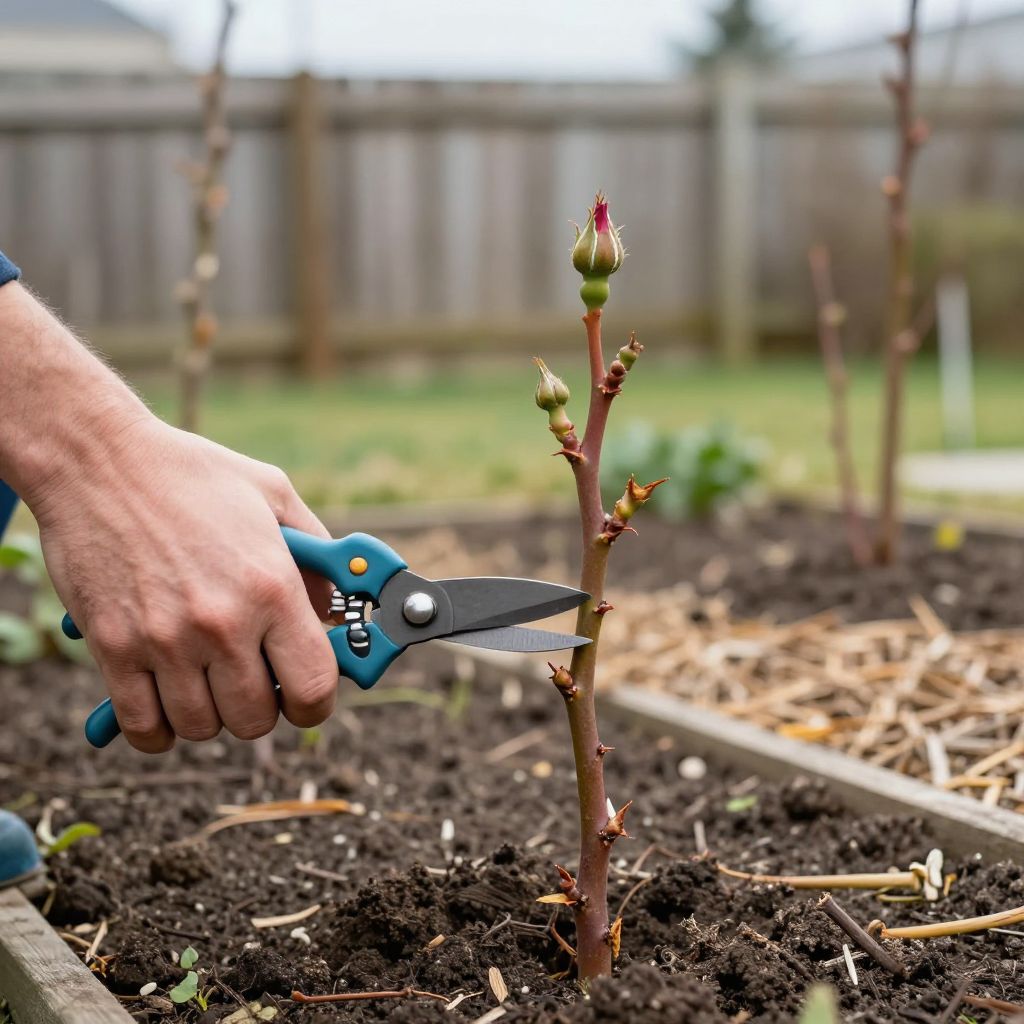
Wondering when to prune rose bushes without damaging blooms or stressing the plant? The best time depends on your rose type and climate, but in most gardens the main pruning is done in late winter or early spring, just as buds begin to swell and the worst cold has passed.
That timing helps you remove dead wood, shape the plant, and encourage strong new growth. Light cleanup can happen any time, but major pruning is best matched to the rose’s growth cycle and your local weather.
When to prune rose bushes?
Prune rose bushes in late winter to early spring in most climates, after the danger of hard frost has passed and before active growth really starts. In warmer regions, this may be earlier; in colder areas, wait until you see swelling buds and consistent mild weather. Dead, damaged, or diseased wood can be removed anytime.
Why timing matters for rose pruning
Roses respond to pruning by pushing new shoots from buds below the cut. If you prune too early and a hard freeze follows, tender new growth can be damaged. If you prune too late, you may remove developing flower buds and delay blooming.
The goal is to balance plant health, shape, and flowering. Proper timing also makes it easier to see the plant’s structure before leaves fully fill in.
What to watch for before you prune
- Bud swell: buds begin to enlarge and show green.
- Weather trend: the coldest part of winter has passed.
- Plant type: hybrid teas, floribundas, shrub roses, climbers, and old garden roses may need different pruning intensity.
- Local climate: the right timing in a mild coastal area may be very different from an inland or northern garden.
Best pruning window by season
Late winter to early spring
This is the main pruning season for most roses. It allows you to remove winter damage and shape the plant before vigorous growth begins.
If you live where winters are mild, you can often prune earlier. If winters are severe, wait until the risk of deep freezes has passed.
Summer cleanup pruning
During the growing season, focus on deadheading spent blooms, removing broken canes, and trimming any obvious disease or crossing stems. Keep this lighter than the main annual prune.
Fall pruning
Avoid heavy pruning in fall in cold climates. Cutting back hard can stimulate tender growth that winter will damage. In many regions, fall cleanup should be limited to removing dead, diseased, or dangerous stems.
How to prune rose bushes correctly
Good pruning starts with clean tools and a clear plan. The aim is to open the plant, improve air circulation, and encourage strong stems rather than a tangle of weak growth.
- Start with sharp, clean bypass pruners and loppers for thicker canes.
- Remove dead, blackened, broken, or diseased wood first.
- Cut out canes that cross, rub, or grow inward toward the center.
- Shorten remaining canes to healthy outward-facing buds.
- Make cuts about 1/4 inch above a bud, angled slightly away from it.
- Step back and check the shape so the plant is open and balanced.
Always cut back to healthy, green wood when possible. If the cane is brown and dry inside, keep cutting lower until you find living tissue.
How much to cut
The amount depends on the rose type and its vigor. Many modern repeat-blooming roses can handle a moderate to fairly hard annual prune, while once-blooming old roses often need only light shaping after flowering. If you are unsure, prune conservatively the first year and observe how the plant responds.
Pruning different types of roses
Hybrid tea and floribunda roses
These usually benefit from a stronger late-winter prune to encourage upright new canes and larger, better-placed blooms. Remove weak stems and keep the center open.
Shrub roses
Shrub roses often need less severe pruning. Focus on removing old, unproductive stems and thinning crowded growth rather than cutting the whole plant back hard.
Climbing roses
Climbers are usually pruned differently. Keep the main framework canes and remove only dead, damaged, or weak growth. Side shoots are often shortened to encourage flowering, but avoid cutting away the main arching structure unless a cane is old or failing.
Old garden roses
Many old garden roses bloom on older wood and may flower poorly if pruned too aggressively at the wrong time. Light pruning after bloom, plus selective removal of dead wood in late winter, is often safer than heavy annual cutting.
Tools and safety for rose pruning
Using the right tools makes cleaner cuts and reduces plant stress. It also helps prevent the spread of disease from one rose to another.
- Bypass pruners for stems up to about pencil thickness.
- Loppers for thicker canes.
- Pruning saw for old, woody stems.
- Gloves that protect your hands and forearms.
- Disinfectant for blades when moving between diseased plants.
Wipe blades clean after use, especially if you cut diseased tissue. Clean tools make smoother cuts and reduce the chance of spreading fungal or bacterial problems.
Common pruning mistakes to avoid
Roses are forgiving, but a few mistakes can reduce flowering or weaken the plant.
- Pruning too early before the worst frost risk has passed.
- Leaving stubs above buds, which can die back and invite disease.
- Cutting too close and damaging the bud.
- Over-pruning climbers by removing the main flowering framework.
- Ignoring diseased canes that should be removed promptly.
- Using dull tools that crush stems instead of making clean cuts.
What to do after pruning
After pruning, give the rose a little support so it can recover quickly and push healthy new growth. This is a good time to tidy the bed and check overall plant health.
- Remove fallen leaves and pruned debris from around the plant.
- Water deeply if the soil is dry, especially in dry spring weather.
- Refresh mulch, but keep it a few inches away from the crown.
- Watch for new shoots, aphids, black spot, powdery mildew, or cane dieback.
If your soil drains poorly, avoid overwatering after pruning. Roses prefer evenly moist soil, not soggy roots. Good drainage matters as much as pruning for strong regrowth.
How climate changes the timing
There is no single calendar date that works everywhere. In a warm climate, roses may begin growing earlier, so pruning can happen sooner. In colder regions, wait longer so new growth is not caught by late freezes.
Use the plant itself as your guide. When buds swell and the plant is ready to move, that is usually the right moment for the main prune.
Simple rule of thumb
- Mild winter areas: prune earlier in late winter.
- Cold winter areas: prune later, after hard frost risk drops.
- Very warm areas: pruning may be staggered or done after the coolest part of the season.
Signs your rose needs pruning now
Even if it is not the ideal season for a full prune, some problems should be addressed right away.
- Dead or blackened canes after winter
- Broken stems from wind or snow
- Branches rubbing and creating wounds
- Canes with obvious disease symptoms
- Dense, tangled growth that blocks airflow
Removing these problem stems promptly helps protect the whole plant and can reduce disease pressure.
Aftercare for better blooms
Pruning is only one part of rose care. Healthy roses also need good sunlight, air circulation, and steady moisture to perform well.
- Give roses at least several hours of direct sun where possible.
- Plant in well-drained soil enriched with compost.
- Water at the base rather than over the foliage when possible.
- Mulch to conserve moisture and suppress weeds.
- Monitor regularly for aphids, black spot, and powdery mildew.
Healthy growing conditions make pruning more effective because the plant can recover quickly and produce stronger flowering canes.
Conclusion
If you are asking when to prune rose bushes, the safest answer is usually late winter to early spring, timed to your local frost pattern and the plant’s bud swell. Start with dead, damaged, and crowded growth, then shape the rose according to its type. If you want better blooms this year, inspect your roses this week and plan the main prune for the right weather window.
For more practical rose care, you may also want to read about how to deadhead roses for repeat blooms and how to grow roses in well-drained garden soil.