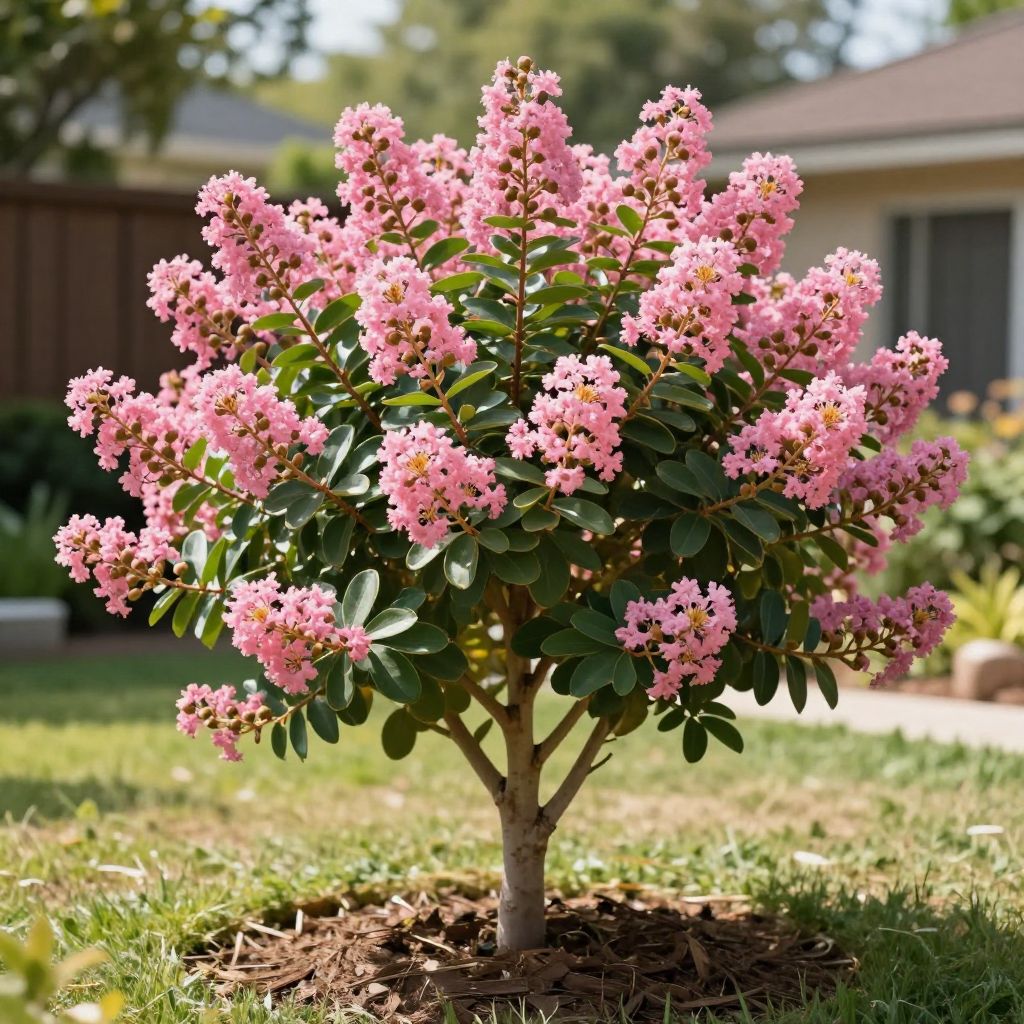
If you’re wondering when do crepe myrtles bloom, the short answer is: usually in summer, with flowering often beginning in late spring or early summer and continuing into early fall. Exact timing depends on the cultivar, your climate, sunlight, pruning, and how well the plant is established.
Crepe myrtles are valued for their long bloom season, but they won’t flower well in shade, stressed soil, or after heavy pruning. Knowing what triggers blooming helps you get more flowers and avoid the common mistakes that delay or reduce them.
When do crepe myrtles bloom?
Crepe myrtles typically bloom from late spring or early summer through late summer, and in warm climates they may keep flowering into early fall. Most plants need full sun and warm weather to set buds well, so bloom time varies by region, cultivar, and the plant’s age and health.
What affects bloom timing?
Several growing conditions influence when crepe myrtles bloom and how heavily they flower. If your plant is healthy but not blooming on schedule, one of these factors is often the reason.
Sunlight
Full sun is the biggest bloom booster. Crepe myrtles usually need at least 6 hours of direct sun daily, and more is often better for strong flowering. In partial shade, they may grow leafy but bloom sparsely or later than expected.
Climate and temperature
Warm weather encourages bud formation and flower opening. In cooler regions, bloom may start later in summer and finish earlier in fall. A late cold snap can also delay growth in spring, especially on young plants or in exposed sites.
Plant maturity
Young crepe myrtles may not bloom as heavily as established shrubs or trees. Newly planted specimens often spend energy developing roots first, so modest flowering in the first season or two is normal.
Cultivar differences
Different varieties bloom at slightly different times and with different flower sizes, colors, and repeat-bloom habits. Some cultivars are bred for compact growth, while others are larger landscape trees. If you want a longer bloom season, choose a variety known for extended flowering in your area.
How to encourage more blooms
If you want your crepe myrtle to bloom reliably, focus on the growing conditions that support flower production rather than trying to force it with quick fixes. Healthy, well-sited plants bloom more consistently.
- Plant in full sun. Choose an open site away from heavy shade from buildings or trees.
- Use well-drained soil. Crepe myrtles dislike soggy roots, which can weaken growth and reduce flowering.
- Mulch lightly. A 2- to 3-inch layer of mulch helps conserve moisture and moderate soil temperature, but keep it a few inches away from the trunk.
- Water deeply during establishment. New plants need regular moisture until roots spread, especially during hot weather.
- Avoid excess nitrogen. Too much fertilizer can produce lots of leaves and fewer flowers.
Pruning mistakes that reduce bloom
One of the most common reasons crepe myrtles bloom poorly is severe pruning, often called “crepe murder.” Cutting back large branches too hard can trigger weak, fast-growing shoots and delay flowering.
- Remove only dead, damaged, or crossing branches.
- Thin crowded growth if needed for air circulation.
- Shape the plant lightly after flowering or in late winter, depending on your climate and local practice.
- Avoid topping the plant just to control size; choose a cultivar that fits the space instead.
Seasonal bloom timeline
The bloom season for crepe myrtles is long, but it follows a general pattern. Understanding that pattern helps you know what to expect in your garden.
Spring
In spring, crepe myrtles leaf out as temperatures warm. Flower buds begin forming as the plant grows vigorously, but blooms may not appear yet, especially in cooler climates.
Early summer
This is often when the first flowers open. In many regions, bloom starts once nights stay warm and the plant has enough sun and moisture to support active growth.
Midsummer
Midsummer is usually the peak bloom period. Plants in full sun often have the heaviest flower display now, especially if they were not overpruned or overfertilized.
Late summer to fall
Many crepe myrtles continue blooming into early fall, particularly in warm areas. Flowering may slow as nights cool, daylight shortens, or drought stress increases.
How to plant for better flowering
If you are planting a new crepe myrtle, the site you choose can affect bloom for years. Good placement matters as much as aftercare.
- Choose a sunny location. Avoid spots shaded by large trees or structures.
- Check drainage. Water should not stand around the root zone after rain or irrigation.
- Leave room for mature size. Crowding can reduce air movement and light, both of which affect blooming.
- Prepare the soil gently. Loosen compacted soil, but do not overwork it into a poor structure.
If your native soil is heavy clay, improve drainage by planting in a slightly raised area or choosing a site where water moves away naturally. In sandy soil, organic matter can help the root zone hold moisture a little longer without staying wet.
Watering and feeding for healthy blooms
Crepe myrtles are fairly adaptable once established, but they bloom best when they are neither drought-stressed nor overfed. The goal is steady growth, not lush, soft shoots.
Watering
Newly planted crepe myrtles need regular watering until roots are established. After that, water during prolonged dry spells, especially in hot weather, rather than on a rigid schedule.
Signs the plant may need water include drooping leaves in the heat of the day that do not recover by evening, smaller-than-normal flower clusters, or premature leaf drop during drought.
Fertilizing
If your soil is reasonably fertile, crepe myrtles often need little extra fertilizer. Too much nitrogen can push leafy growth at the expense of flowers.
- Use compost sparingly if your soil needs improvement.
- Base fertilizer decisions on a soil test when possible.
- Avoid high-nitrogen lawn fertilizers near the root zone.
Common problems that delay blooming
When a crepe myrtle is healthy but not flowering well, the cause is often environmental or cultural rather than a disease. A quick check of the plant’s site and care usually reveals the issue.
Too much shade
Shade is one of the most common reasons for poor bloom. If nearby trees have grown larger over time, the plant may now be receiving less light than it did when first planted.
Late pruning
Heavy pruning in late spring or summer can remove developing flower buds and delay blooming. If you need to prune, do it thoughtfully and avoid repeated hard cuts.
Root stress
Compacted soil, poor drainage, or repeated drought can weaken the root system. A stressed plant may survive but bloom sparsely.
Too much nitrogen
Excess fertilizer often produces vigorous green growth with fewer flowers. If the plant is lush but not blooming, back off on feeding and reassess soil fertility.
Pests and diseases that can affect flowering
Crepe myrtles are usually reliable, but pests and diseases can reduce vigor and bloom quality. Catching problems early helps the plant stay strong enough to flower well.
Aphids
Aphids can feed on new growth and produce sticky honeydew, which may lead to sooty mold on leaves and nearby surfaces. While they do not always stop blooming, heavy infestations can weaken the plant.
Powdery mildew
Powdery mildew is more common in humid conditions and on crowded plants with poor airflow. It can make foliage look dusty or gray-white and may reduce overall plant vigor.
Leaf spot
Leaf spot diseases can cause premature leaf drop, especially in wet weather. A plant that loses too many leaves may have less energy for flowering.
To reduce these problems, water at the base of the plant, keep the canopy open with light pruning, and clean up fallen leaves if disease has been recurring in your garden.
Can you propagate crepe myrtles?
Yes, crepe myrtles can be propagated, but if your main goal is reliable bloom timing, buying a healthy, named cultivar is usually the simplest approach. Propagation is useful if you want more plants from one you already grow.
Common methods include softwood or semi-hardwood cuttings and seed, though seed-grown plants may not match the parent exactly. For most home gardeners, cuttings are the better option if you want a plant similar to the original.
How to tell if your crepe myrtle is about to bloom
As bloom time approaches, you may notice tight clusters of buds at the tips of new growth. The plant will often look fuller, and flower panicles begin to swell before opening.
- Look for rounded bud clusters at branch ends.
- Watch for color showing through the buds.
- Check whether the plant is getting enough sun during the day.
- Make sure recent pruning has not removed too much new growth.
Conclusion
When do crepe myrtles bloom? Most bloom from early summer through late summer, and in warm climates they can flower into fall. If yours is not blooming well, start with the basics: full sun, good drainage, light pruning, and moderate feeding.
For more help choosing the right planting site and keeping flowering shrubs healthy, you may also want to read related gardening guides on pruning flowering shrubs the right way and improving garden soil drainage.