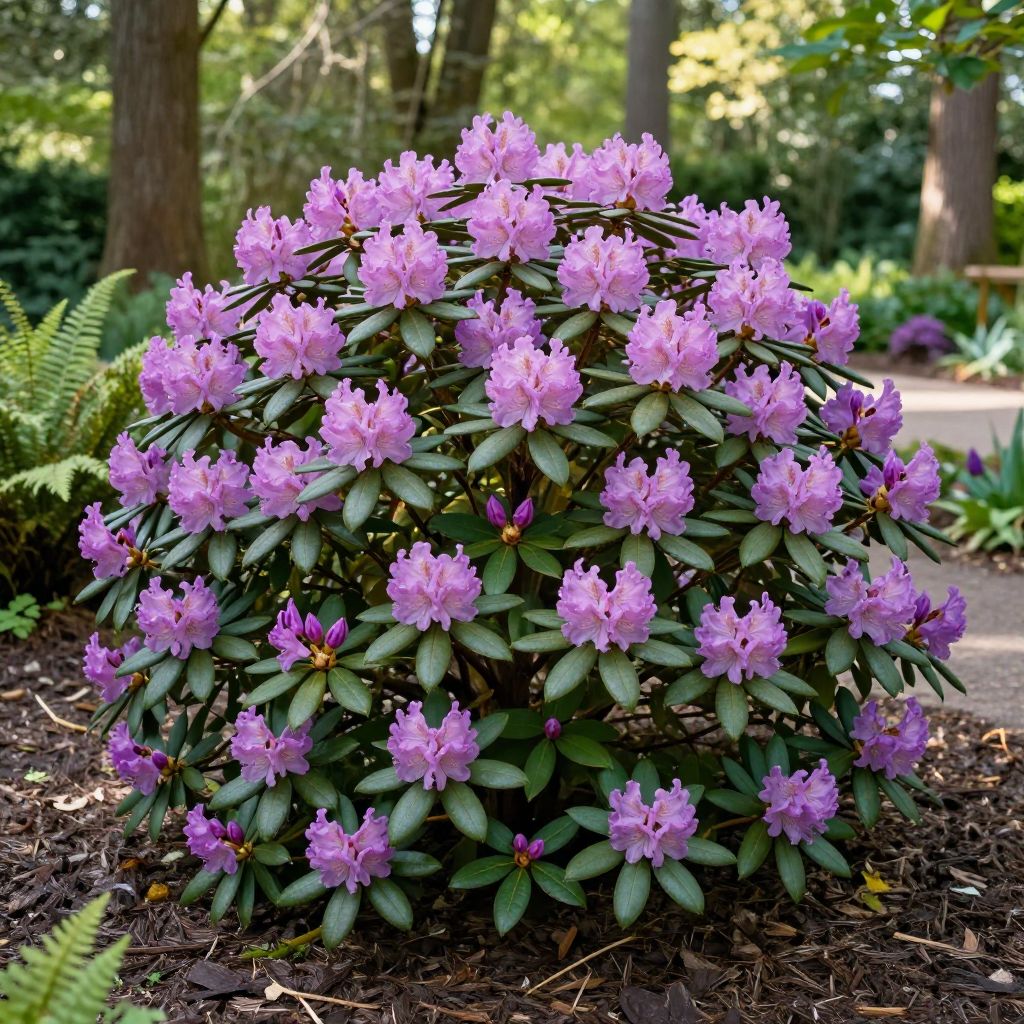
Wondering when do rhododendrons bloom in your garden? The short answer is that most rhododendrons flower in spring, but the exact bloom window depends on the species, cultivar, and your local climate. Some open in late winter in mild areas, while others bloom into early summer in cooler regions.
If you want more reliable flowering, it helps to understand how rhododendrons grow, what triggers buds, and how to care for them through the year. With the right site and a little seasonal attention, you can enjoy a strong display instead of sparse or delayed blooms.
When do rhododendrons bloom?
Most rhododendrons bloom in spring, usually from mid-spring to late spring, though some varieties flower earlier or later depending on climate and type. In mild regions, buds may open in late winter; in cooler or higher-elevation gardens, bloom can shift into early summer. Healthy plants flower best after setting buds the previous season.
What affects rhododendron bloom time?
Bloom timing is influenced by plant genetics, local weather, and growing conditions. A rhododendron that flowers in April in one garden may bloom several weeks earlier or later in another.
Species and cultivar
Different rhododendrons have different natural bloom windows. Some are early bloomers, some midseason, and some late.
Climate and microclimate
Warm south-facing walls, sheltered courtyards, and urban heat can bring flowering earlier. Cold pockets, windy sites, and higher elevations usually delay bloom.
Winter and spring weather
Bud development can be slowed by severe cold, repeated freeze-thaw cycles, drought, or sudden warm spells followed by frost. A late frost can damage buds that were ready to open.
Plant age and health
Young plants may need time to establish before blooming heavily. Mature, well-rooted shrubs generally flower more reliably than stressed or recently moved plants.
How to get better blooming rhododendrons
Rhododendrons bloom best when they are planted in the right place and kept evenly healthy through the growing season. The goal is not to force flowers, but to support bud formation for the next year.
Choose the right location
- Give morning sun and afternoon shade in warm climates.
- In cooler regions, more sun is often fine if the soil stays moist.
- Protect plants from strong wind, which can dry buds and foliage.
- Avoid exposed hot walls unless you can keep the root zone cool and moist.
Plant in acidic, well-drained soil
Rhododendrons prefer acidic soil, usually around pH 4.5 to 6.0, with excellent drainage. Heavy clay or waterlogged soil can reduce flowering and cause root problems.
If your soil is dense, plant on a raised bed or mound and work in organic matter such as pine bark fines, leaf mold, or composted pine needles. Do not bury the crown too deeply.
Water consistently, but do not overwater
Even moisture matters most during bud formation in summer and early fall. Dry stress can reduce next spring’s bloom, while soggy soil can suffocate roots.
- Water deeply when the top layer of soil begins to dry.
- Use mulch to slow evaporation and keep roots cool.
- Check soil moisture before watering, especially in cool or rainy weather.
Mulch correctly
A 2 to 3 inch layer of mulch helps stabilize soil temperature and moisture. Keep mulch a few inches away from the trunk to avoid rot.
Good mulch choices include shredded bark, pine needles, and leaf mold. Avoid piling mulch into a thick cone around the stem.
Feed lightly if needed
Too much fertilizer can produce leafy growth at the expense of flowers. If your soil is poor, use a fertilizer made for acid-loving plants and follow the label carefully.
For established shrubs, light feeding in early spring is usually enough when growth is weak or foliage is pale. In rich soil, many plants need little or no extra fertilizer.
Pruning and bloom timing
Pruning at the wrong time is a common reason rhododendrons fail to bloom. Because flower buds are usually formed on the previous season’s growth, late pruning can remove next year’s flowers.
When to prune
- Prune right after flowering if you need to shape the plant.
- Remove dead, damaged, or crossing branches anytime.
- Avoid heavy pruning in late summer, fall, or winter unless you are correcting serious damage.
How much to prune
Light shaping is usually enough. If an older shrub has become leggy, renewal pruning may be possible, but it can reduce bloom for a season or two while the plant recovers.
Why a rhododendron may not bloom
If your rhododendron is healthy-looking but not flowering, the problem is often environmental rather than fatal. Start by checking the plant’s age, light, soil, and pruning history.
- Too much shade: Dense shade can reduce bud formation.
- Too much sun or drought: Buds may dry out or fail to develop.
- Late pruning: Flower buds may have been removed.
- Winter injury: Cold snaps can kill buds before spring.
- Excess nitrogen: Lush leaves, fewer flowers.
- Poor drainage: Roots struggle, and flowering declines.
How to troubleshoot poor bloom
- Check whether the plant is getting the right amount of light for your climate.
- Inspect the soil for standing water or compacted roots.
- Review whether it was pruned after buds formed.
- Look for frost damage on buds and branch tips.
- Assess whether the plant has had drought stress during summer.
Common pests and diseases that affect flowering
Pests and diseases rarely change the calendar directly, but they can weaken the plant enough to reduce bloom. Catching problems early helps preserve next season’s flowers.
Pests to watch for
- Lace bugs can cause speckled, dull foliage and stress the shrub.
- Weevils may chew leaves and damage roots in some gardens.
- Aphids can distort new growth and attract sooty mold.
Diseases and root issues
- Root rot often follows poor drainage or overwatering.
- Bud blast can cause buds to brown and fail to open.
- Leaf spot is usually more cosmetic, but repeated stress can weaken the plant.
Good air circulation, proper spacing, and well-drained soil are some of the best preventive measures. If a plant is repeatedly declining, inspect the root zone before assuming it needs more fertilizer.
Can you extend the bloom season?
You cannot make one rhododendron bloom for months, but you can extend the overall display by choosing varieties with different bloom times. Planting early-, mid-, and late-season types creates a longer season of color.
In mixed shrub borders, combine rhododendrons with other acid-loving plants that have staggered flowering periods. This gives the garden more continuity even after the main flush is over.
Practical ways to lengthen the display
- Choose cultivars with different bloom windows.
- Plant in a site with morning sun to encourage good flowering.
- Keep plants evenly watered during summer and early fall.
- Protect buds from late frost when possible with temporary cover on small plants.
Best care through the seasons
Rhododendron bloom is tied to year-round care, not just spring. What you do in one season often determines the flowers you see the next.
Spring
Enjoy the bloom, then remove spent flowers carefully if you want a tidier look. Avoid damaging the new shoots below the flower clusters.
Summer
Keep soil evenly moist, especially during dry spells. This is an important period for setting buds for next year.
Fall
Reduce stress going into winter. Avoid heavy feeding or late pruning that could encourage tender growth.
Winter
In cold climates, protect plants from drying winds and harsh sun if needed. Frozen soil plus wind can dry leaves and buds even when temperatures are low.
Propagation and replacing old plants
If an older rhododendron blooms poorly despite good care, you may decide to replace it or propagate a favorite plant. The easiest home method is usually layering or taking cuttings, though success varies by cultivar and conditions.
Propagation is best approached as a patient project rather than a quick fix. If the parent plant is weak, solve the growing problem first so the new plant has a better start.
Conclusion
So, when do rhododendrons bloom? Most flower in spring, but the exact timing depends on variety, climate, and plant health. To get the best show, give them acidic, well-drained soil, steady moisture, light shade, and prune only after flowering.
If you want to plan a longer-lasting spring display, next read more about how to care for acid-loving shrubs and choosing the best flowering shrubs for shade.