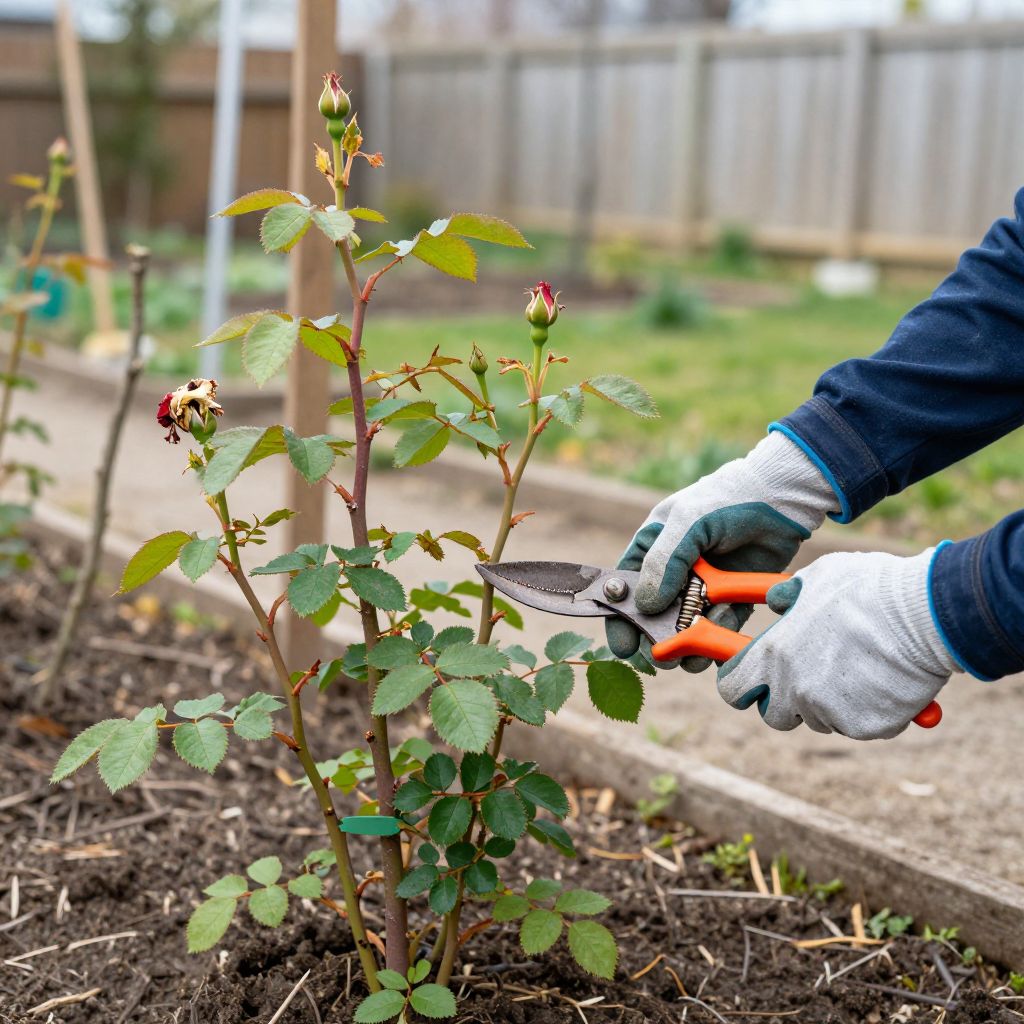
When is it too late to prune roses? The short answer is: it depends on your climate, the rose type, and how close you are to the plant’s next flush of growth. In most gardens, major pruning is best done while roses are still dormant or just beginning to wake up, not when they are actively pushing tender new shoots.
If you prune too late in the season, you can remove flower buds, stimulate weak growth, or leave fresh cuts exposed to heat, frost, or disease pressure. The good news is that roses are forgiving, and with a few timing rules you can usually correct pruning mistakes without harming the plant.
When is it too late to prune roses?
It is usually too late to do major pruning once a rose has started active spring growth with leafed-out stems, visible flower buds, or a strong flush of new canes. In cold climates, pruning after the last hard frost can also be risky. Light cleanup is still fine, but hard pruning is best done before vigorous growth begins.
How to tell whether your rose still needs pruning
Roses are pruned differently depending on whether they bloom once a year or repeat bloom through the season. The right timing is less about the calendar and more about what the plant is doing right now.
Good signs it is still okay to prune
- The plant is still dormant or mostly dormant.
- Buds are swollen but not yet opening.
- You are in late winter or very early spring in your area.
- You only need to remove dead, damaged, or crossing stems.
Signs it is too late for hard pruning
- New leaves are fully expanded.
- Flower buds are forming or opening.
- The plant has already produced long, tender new canes.
- Hot weather is arriving and the plant is under drought stress.
Rule of thumb: if you can clearly see the rose’s spring growth and buds, switch from major pruning to light maintenance pruning only.
Best pruning timing by season
Late winter to early spring
This is the main pruning window for many roses. In most temperate climates, pruning is done after the worst cold has passed but before strong new growth starts. That timing helps the plant push healthy stems from the base and reduces the chance of frost damage to freshly cut growth.
Mid to late spring
By this stage, pruning should be minimal unless you are removing dead wood, broken stems, or diseased canes. Heavy cuts now can remove developing flower buds and force the rose to spend energy replacing shoots instead of blooming.
Summer
Summer pruning is usually limited to deadheading spent flowers, thinning weak growth, and removing suckers or diseased stems. Avoid a hard reshaping prune in hot weather unless you are correcting storm damage or managing a serious problem.
Fall
In many regions, fall is not the time for major pruning. Cutting back hard in autumn can encourage soft growth that is easily damaged by frost. In colder areas, wait until late winter or early spring. In mild climates, you may still do light cleanup, but avoid stimulating a flush of tender shoots before winter.
What happens if you prune roses too late?
Late pruning is not always fatal, but it can create avoidable stress. The main risk is that the plant responds by making new growth at the wrong time.
- Fewer flowers: you may remove buds that were already set.
- Weak regrowth: the plant may push soft, leggy shoots instead of sturdy canes.
- Frost damage: late cuts can trigger growth that is then injured by cold snaps.
- Sun scorch or heat stress: exposed stems and leaves may struggle in hot weather.
- Higher disease risk: dense, tender new growth can be more vulnerable to black spot and mildew in humid conditions.
If you have already pruned late, do not panic. Most established roses recover well if they are kept watered, mulched, and monitored for pests and disease.
How to prune roses if the season is already late
When pruning is late, the goal changes from shaping the plant to protecting it. Use a light hand and remove only what truly needs to go.
- Start with dead, damaged, or diseased wood. Cut back to healthy green tissue or to the base if the cane is dead.
- Remove crossing or rubbing stems. This improves airflow and reduces wound damage.
- Shorten only the most overlong canes. Make small cuts rather than a major reduction.
- Deadhead spent blooms. Cut back to the first strong leaf or outward-facing bud.
- Stop before you overdo it. Leave enough foliage for the plant to photosynthesize and recover.
Tip: If the rose is already in active growth, think “clean up” rather than “rebuild.”
Different rose types need different pruning timing
Hybrid tea, floribunda, and shrub roses
These are commonly pruned in late winter or early spring. If you miss that window, light cleanup is safer than hard cuts. Repeat-blooming shrub roses often tolerate modest shaping, but they still do best when major pruning is done before active growth begins.
Climbing roses
Climbing roses are usually pruned more selectively. Many are trained by tying and thinning canes rather than cutting them back hard every year. If you are late, remove dead wood and untidy side shoots, but avoid removing the main framework unless it is necessary.
Old garden roses and once-blooming roses
These often bloom on older wood, so timing matters even more. If you prune too late, you may remove the stems that were carrying this year’s flower buds. For once-blooming types, the safest time for shaping is usually right after flowering, not in spring.
Miniature roses
Miniature roses can be lightly trimmed to maintain shape, but they still respond best to pruning before strong growth starts. If they are already budding, only trim back weak tips or dead stems.
Climate matters more than the calendar
There is no single date that works everywhere. A rose that is still dormant in a cool inland garden may already be leafing out in a warm coastal area weeks earlier.
Use local conditions to guide you:
- Cold climates: prune after the harshest freezes have passed, but before buds break.
- Mild climates: pruning may happen earlier, and some roses need only light shaping.
- Warm climates: roses may never go fully dormant, so prune during the coolest part of the year or after a bloom cycle, depending on the type.
- Windy or exposed sites: avoid leaving freshly cut canes too short, because they can dry out faster.
Tools and technique for cleaner cuts
Good pruning is easier with sharp, clean tools. Dull blades crush stems and leave ragged wounds that heal slowly.
- Bypass pruners for stems up to about pencil thickness.
- Loppers for thicker canes.
- A pruning saw for old, woody stems.
- Gloves and long sleeves to protect from thorns.
Make cuts just above an outward-facing bud, angled slightly away from the bud so water sheds off the cut surface. Clean tools between plants, especially if you see black spot, canker, or dieback.
Common mistakes to avoid
- Pruning during a warm spell too early in spring: new growth can be damaged by a late freeze.
- Cutting too hard when the plant is already growing: this can reduce blooms and weaken the plant.
- Leaving stubs: short stubs die back and invite disease.
- Ignoring dead or diseased canes: these can spread problems through the plant.
- Pruning all roses the same way: different rose classes need different approaches.
Aftercare if you pruned late
Once pruning is done, help the rose recover with steady care rather than more cutting.
- Water deeply if rainfall is inconsistent, especially during dry spells.
- Keep a layer of mulch around the root zone, but not touching the canes.
- Watch for aphids on tender new growth.
- Check for black spot, powdery mildew, and cane dieback after rain or humidity.
- Avoid heavy feeding unless the plant is actively growing and your soil needs it.
If the rose looks stressed, focus on consistent moisture and airflow. Healthy roots and good light do more for recovery than extra pruning.
Can you still prune if the rose is blooming?
Yes, but only lightly. You can deadhead spent flowers, remove broken stems, and trim back a few wayward shoots. What you should avoid is a major reshaping prune while the plant is in bloom, because that removes flowering wood and interrupts the display.
Simple decision guide
- Still dormant? Go ahead with normal pruning.
- Buds swelling but not open? You can still prune, but be timely.
- Leaves fully out and buds forming? Stop hard pruning and switch to cleanup only.
- In bloom? Deadhead and remove damaged stems, but leave the main framework alone.
Conclusion
If you are wondering when is it too late to prune roses, the safest answer is: once the plant is actively leafed out and setting buds, major pruning is usually too late. At that point, keep cuts light, remove only dead or damaged growth, and let the rose finish its seasonal cycle. If you are unsure, wait a week and watch the plant’s growth stage before making the next cut.
For more rose care help, you may also want to read about how to deadhead roses for repeat blooming and how to keep roses healthy with proper watering and mulching.