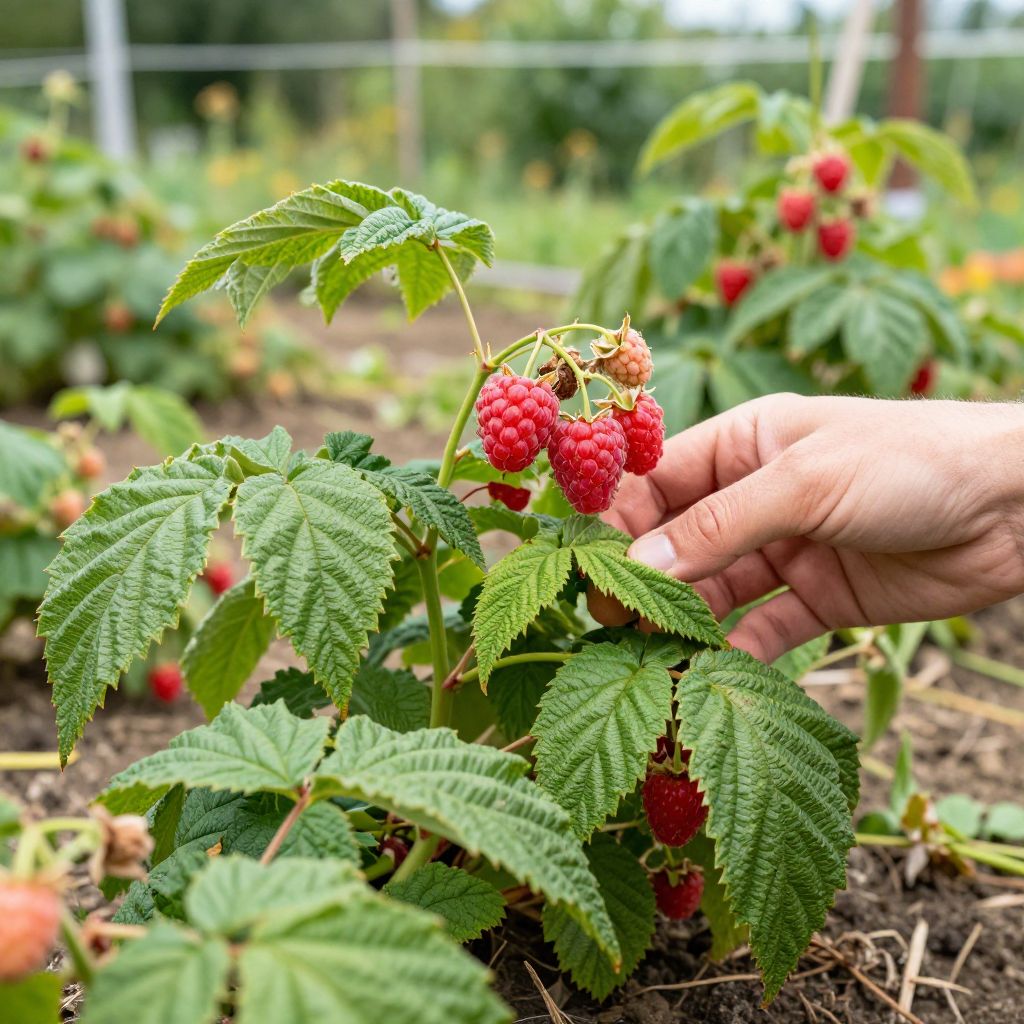
Wondering when are raspberries in season so you can pick them at the right time or plan your own harvest? The answer depends on the type of raspberry, your climate, and whether you grow summer-bearing or everbearing plants. With the right timing and a little observation, you can enjoy fresh fruit for weeks instead of missing the peak.
Raspberries are one of the most rewarding small fruits for home gardens, but their season is easy to misread. Understanding how the canes grow, when they fruit, and what ripening looks like will help you harvest at peak flavor and keep plants productive year after year.
When are raspberries in season?
Raspberries are typically in season from late spring through summer, with some varieties producing a second crop in late summer or early fall. Summer-bearing raspberries fruit on second-year canes, while everbearing types can produce on first-year canes in late summer and again the following year, depending on how you prune them and your local climate.
What determines raspberry season?
Raspberry season is shaped by variety, weather, and location. In cooler regions, harvest may start later and finish sooner, while warmer areas often see an earlier and longer season.
Type of raspberry plant
- Summer-bearing raspberries usually produce one main crop in early to mid-summer.
- Everbearing or fall-bearing raspberries can fruit in late summer and early fall, and some gardeners get a second crop the next year on the same canes.
Climate and local conditions
Raspberries ripen faster in warm, sunny weather and more slowly during cool, cloudy spells. A spring frost, a hot dry stretch, or an unusually wet season can shift harvest timing by days or even weeks.
Plant age and cane type
Newly planted raspberries often spend their first season establishing roots rather than producing a full crop. Mature plants with healthy canes usually give a more dependable harvest window.
How to tell when raspberries are ready to pick
Raspberries are ready when they come off the receptacle easily with a gentle tug and have fully developed color for the variety. They should feel plump, fragrant, and soft, but not mushy. If you have to pull hard, the berry is not quite ripe yet.
Signs of ripeness
- Even color across the berry
- Fruit separates easily from the plant
- Sweet aroma
- Soft but still intact texture
Signs you waited too long
- Berries collapse in your hand
- Fruit becomes dull, watery, or moldy
- Birds, insects, or rain damage the crop
Pick raspberries every one to two days during peak season. Frequent harvesting helps prevent overripening and encourages you to catch fruit at the best flavor stage.
Raspberry season by type
Summer-bearing raspberries
These usually ripen on floricanes, which are second-year canes. In many gardens, the main crop arrives in early summer and lasts several weeks. If you plant several varieties with slightly different ripening times, you can extend the season.
Everbearing raspberries
Everbearing raspberries often give a late-summer or early-fall crop on first-year canes. In some climates, they may also produce a smaller crop on the lower portion of canes the following summer if you leave those canes standing through winter.
Wild raspberries
Wild raspberries often ripen over a shorter window and can be highly local in timing. If you forage or grow native bramble types, watch the plants closely because fruit can go from nearly ripe to overripe quickly in warm weather.
How to extend your raspberry harvest
You can lengthen raspberry season by choosing a mix of varieties, managing canes well, and keeping plants healthy. The goal is not just more fruit, but a steadier harvest window.
Choose varieties with staggered ripening
- Plant one early-season summer-bearing variety and one later one.
- Add an everbearing type if you want a late crop.
- Check local nursery recommendations, since timing varies by region.
Prune for the crop you want
Pruning affects when and how much your plants fruit. Summer-bearing raspberries should have spent canes removed after harvest, while everbearing types can be pruned for one crop or two depending on your preferred harvest pattern.
Support healthy cane growth
Raspberries produce best on strong, upright canes with good light and air movement. A trellis or support system helps keep fruit accessible, reduces disease pressure, and makes picking easier.
Growing conditions that affect timing and flavor
Raspberries do best in full sun, well-drained soil, and consistent moisture. Poor growing conditions can delay ripening, reduce berry size, and make the season shorter than it should be.
Sunlight
Give raspberries at least 6 to 8 hours of sun daily if possible. More sun usually means better fruiting and sweeter berries, especially in cooler climates.
Soil and drainage
Raspberries prefer fertile soil that drains well but still holds some moisture. Heavy, waterlogged soil can weaken roots and increase disease problems, while very sandy soil may dry too quickly during fruiting.
Watering
Even moisture matters most as flowers form and fruit swell. Irregular watering can lead to smaller berries, poor ripening, or fruit that dries out before harvest.
- Water deeply rather than giving frequent light sprinkles.
- Mulch to help conserve moisture and suppress weeds.
- Avoid wetting foliage late in the day if disease is a concern.
Common problems that affect raspberry season
Several issues can shorten the harvest window or reduce berry quality. Catching them early helps you keep fruiting on track.
Pests
Birds often get to ripe berries first, so netting may be useful when fruit starts coloring. Cane-boring insects, aphids, and spotted wing drosophila can also damage fruit in some regions.
Diseases
Fungal diseases are more likely in crowded, damp plantings. Good spacing, pruning, and removal of old canes help improve airflow and reduce problems.
Weather stress
Heat waves can make fruit soften quickly, while heavy rain can cause berries to become watery or moldy. Harvest more often during unsettled weather and remove damaged fruit promptly.
How to harvest raspberries correctly
Harvesting is simple, but technique matters. Raspberries are delicate, so gentle handling keeps them in better shape and reduces bruising.
- Check plants in the morning when berries are cool.
- Hold the berry lightly and lift or twist gently.
- Pick only fully ripe fruit; unripe berries do not continue to sweeten much after picking.
- Place berries in a shallow container to avoid crushing the lower layers.
- Remove any moldy or damaged fruit from the plant and ground.
Do not force berries off the cane. If they resist, give them another day or two and check again.
Pruning and maintenance after harvest
What you do after harvest helps determine next season’s timing and yield. Remove spent canes of summer-bearing raspberries after they finish fruiting, and keep new canes spaced and supported for next year.
Simple maintenance checklist
- Cut out dead or fruiting canes as appropriate for your raspberry type.
- Thin crowded canes to improve light and airflow.
- Keep weeds down around the base of the plants.
- Refresh mulch to conserve moisture and protect roots.
Can you grow raspberries in containers?
Yes, raspberries can be grown in large containers, though container plants may fruit a bit differently than in-ground plants. Container-grown raspberries need excellent drainage, regular watering, and enough root space to support healthy cane growth.
Choose a large pot, use a quality potting mix, and place the container in full sun. Because pots dry out faster than garden beds, container plants may need closer attention during flowering and fruiting, especially in hot weather.
Quick answer for planning your harvest
If you are asking when are raspberries in season for home gardening, the practical answer is: expect summer-bearing raspberries in early to mid-summer and everbearing raspberries from late summer into fall, with exact timing shaped by your climate and variety. Watch for fully colored, easily detached berries and harvest often for the best flavor.
If you want to improve next year’s crop, it helps to learn more about raspberry pruning and cane care, and to compare berry timing with other small fruits in your garden.