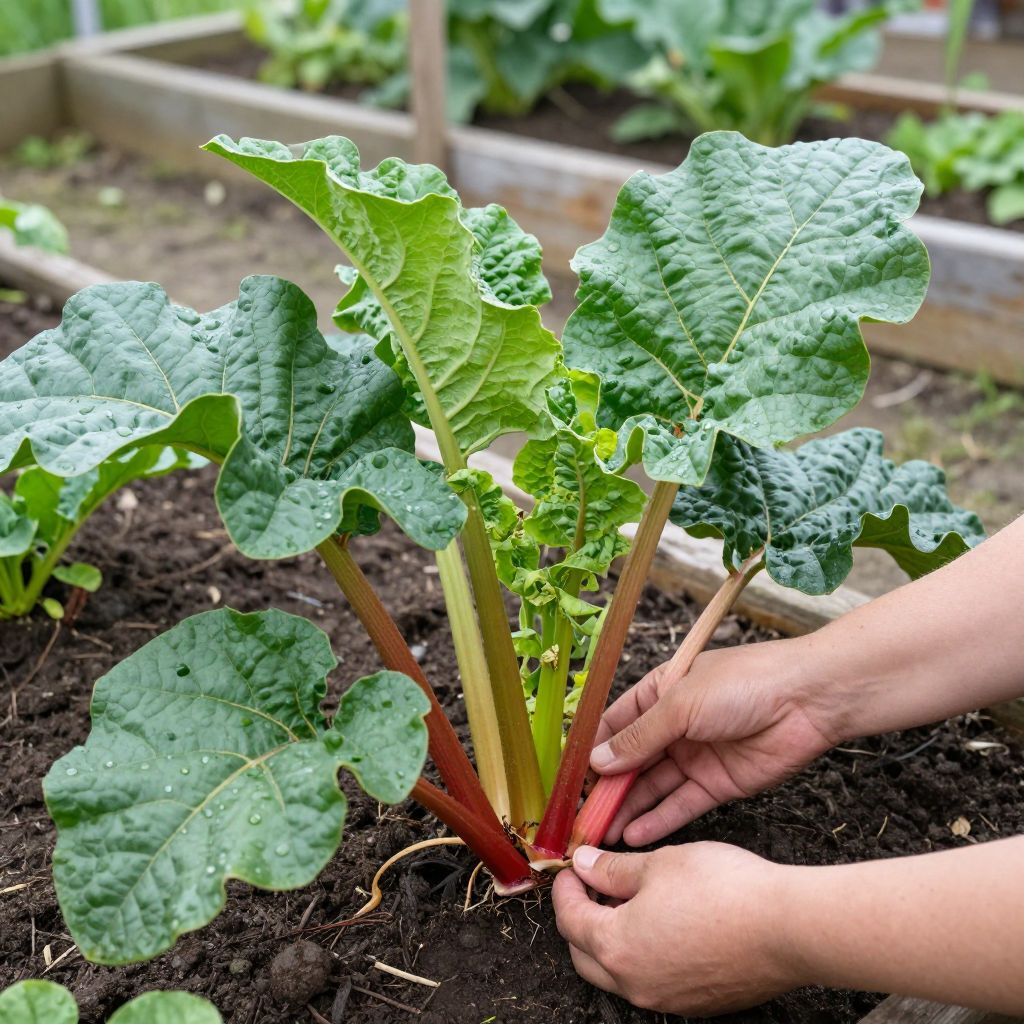
Wondering when is rhubarb in season, and how to tell when your plants are ready to harvest? Rhubarb is one of the earliest edible crops in many gardens, but its season depends on your climate, plant maturity, and how you grow it. Knowing the right timing helps you pick tender stalks, protect the crown, and keep the plant productive for years.
In general, rhubarb is harvested in spring through early summer, with the best stalks coming before hot weather arrives. The exact window varies by region, but the plant’s growth rhythm is easy to read once you know what to look for.
When is rhubarb in season?
Rhubarb is usually in season from early spring to early summer, with harvest timing driven by local temperatures and plant age. In cooler climates, stalks may be ready as soon as the soil thaws and growth starts. In warmer areas, the season can arrive earlier and finish faster, so harvest while stems are still firm and colorful.
How rhubarb season works in the garden
Rhubarb is a perennial that stores energy in a thick crown and roots. Each spring, it pushes up new stalks as temperatures rise and daylight length increases. That means the harvest window is not fixed to a calendar date; it is tied to the plant’s growth cycle.
For most home gardens, the best harvest period is when stalks are fully sized but still crisp. Once summer heat builds, stalks often become tougher, and the plant begins directing energy back into the crown for next year’s growth.
What affects the timing
- Climate: Cooler regions usually have a later, longer season.
- Spring weather: Warm spells can bring earlier growth.
- Plant age: Young plants need time to establish before heavy picking.
- Variety: Some cultivars start earlier or produce thicker stalks, but timing still depends on local conditions.
- Growing method: Forced rhubarb, grown under cover or in darkness, can be ready earlier than outdoor plants.
How to tell when rhubarb is ready to harvest
Harvest rhubarb when the stalks are long, firm, and well colored for the variety. A good stalk usually pulls or cuts cleanly from the crown and feels crisp, not limp. The leaves should be fully open, but remember that the leaves are not edible and should be removed before use.
Signs the stalks are ready
- Stalks are at least pencil-thick, often much thicker on mature plants.
- The petioles are brightly colored or evenly pale, depending on the variety.
- Stalks snap or cut cleanly without bending excessively.
- Growth is vigorous, with several harvestable stems at once.
Signs to wait a little longer
- Stalks are thin and spindly.
- The plant was newly planted this year.
- Growth is slow because the soil is cold or the plant is stressed.
- Stalks are green but still short and tightly packed.
Best time to harvest rhubarb during the season
Pick rhubarb in the morning or on a cool day if possible, when the stalks are firm and hydrated. You can harvest over several weeks, but avoid taking too much at once. A common rule is to leave most of the plant intact so it can keep feeding the crown.
Do not harvest the leaves. They contain compounds that are not safe to eat, so trim them off and compost them only if your compost system can handle leafy material well.
How to harvest without damaging the plant
- Choose stalks that are ready and mature.
- Grasp the stalk near the base and pull gently outward and upward, or use a clean knife to cut at the base.
- Remove the leaf blade immediately.
- Leave several healthy stalks on the plant so it can continue growing.
How long does rhubarb season last?
Rhubarb season often lasts several weeks to a couple of months, depending on weather and plant vigor. In cooler regions, you may get a longer spring harvest. In warmer climates, the season can be shorter because heat quickly toughens the stalks and slows fresh growth.
If your plant is well established and growing in rich, moisture-retentive soil, the season may be more generous. Poor soil, drought, or too much shade can shorten harvest quality even if the calendar says it should still be producing.
Growing rhubarb for a better season next year
If you want dependable spring harvests, rhubarb needs the right site and steady care. It is not a difficult plant, but it rewards good preparation. A healthy crown in the right place will usually produce for many years.
Site and soil
- Choose full sun in cooler climates; light shade can help in hotter regions.
- Use deep, fertile soil with good drainage.
- Work in plenty of compost before planting.
- Avoid waterlogged ground, which can rot the crown.
Watering and feeding
Rhubarb likes even moisture, especially during active spring growth. Water deeply during dry spells rather than giving frequent shallow sprinklings. Mulch with compost or well-rotted organic matter to help conserve moisture and improve soil structure.
Feed lightly with compost each spring or top-dress around the crown if your soil is low in organic matter. Avoid piling mulch directly against the crown, which can encourage rot.
Pruning and maintenance
- Remove flower stalks as soon as they appear so the plant keeps focusing on leaf and stalk growth.
- Clear away dead leaves and debris around the crown.
- Divide overcrowded crowns every few years if growth becomes weaker.
Common problems that affect rhubarb season
When rhubarb is not performing well, the season may be short, weak, or delayed. Most problems are linked to stress from weather, soil, or age rather than disease alone. Fixing the growing conditions usually improves next year’s crop more than trying to force the current one.
Weak or thin stalks
Thin stalks often mean the plant is young, crowded, or short on nutrients and moisture. Improve soil with compost, keep the plant watered through dry periods, and avoid overharvesting from a new crown.
Flowering too early
If rhubarb sends up a flower stalk, remove it promptly. Flowering can reduce stem quality and shorten the harvest window. Stress, age, and weather swings can all trigger bolting.
Crown rot or poor growth
Rhubarb crowns dislike soggy soil. If the plant is declining, check drainage first. Raised beds or improved soil structure may be necessary in heavy clay or wet sites.
Pests and diseases
Rhubarb is fairly tough, but slugs, snails, and crown problems can affect young growth. Good airflow, clean beds, and avoiding overly wet conditions help reduce trouble. Remove damaged tissue promptly and keep the area tidy.
Can you extend rhubarb season?
You can sometimes extend the usable harvest period, but only within reason. The goal is to keep the plant healthy, not to pick continuously until it is exhausted. If you want a longer season, grow more than one crown, choose a mix of varieties if available, and keep plants vigorous with moisture and compost.
In some gardens, forcing rhubarb under a pot or cover can produce earlier, tender stalks. This technique works best on established crowns and should be done carefully so the plant still has time to recover afterward.
Seasonal care calendar for rhubarb
- Late winter to early spring: Clear debris, top-dress with compost, and watch for new growth.
- Spring: Harvest when stalks are ready and keep the plant evenly watered.
- Early summer: Finish harvesting as growth slows or stalks become tougher.
- Mid- to late summer: Let the plant rebuild energy for next year.
- Autumn: Cut back dead foliage after it dies down naturally and keep the crown mulched lightly.
Conclusion
So, when is rhubarb in season? Usually in spring to early summer, with the best harvest timed to your local weather and the plant’s growth, not a strict date. Check for firm, mature stalks, harvest carefully, and stop once stems become thin or tough. If you want more perennial crop guidance, you may also find it helpful to read about growing asparagus or how to improve garden soil with compost.