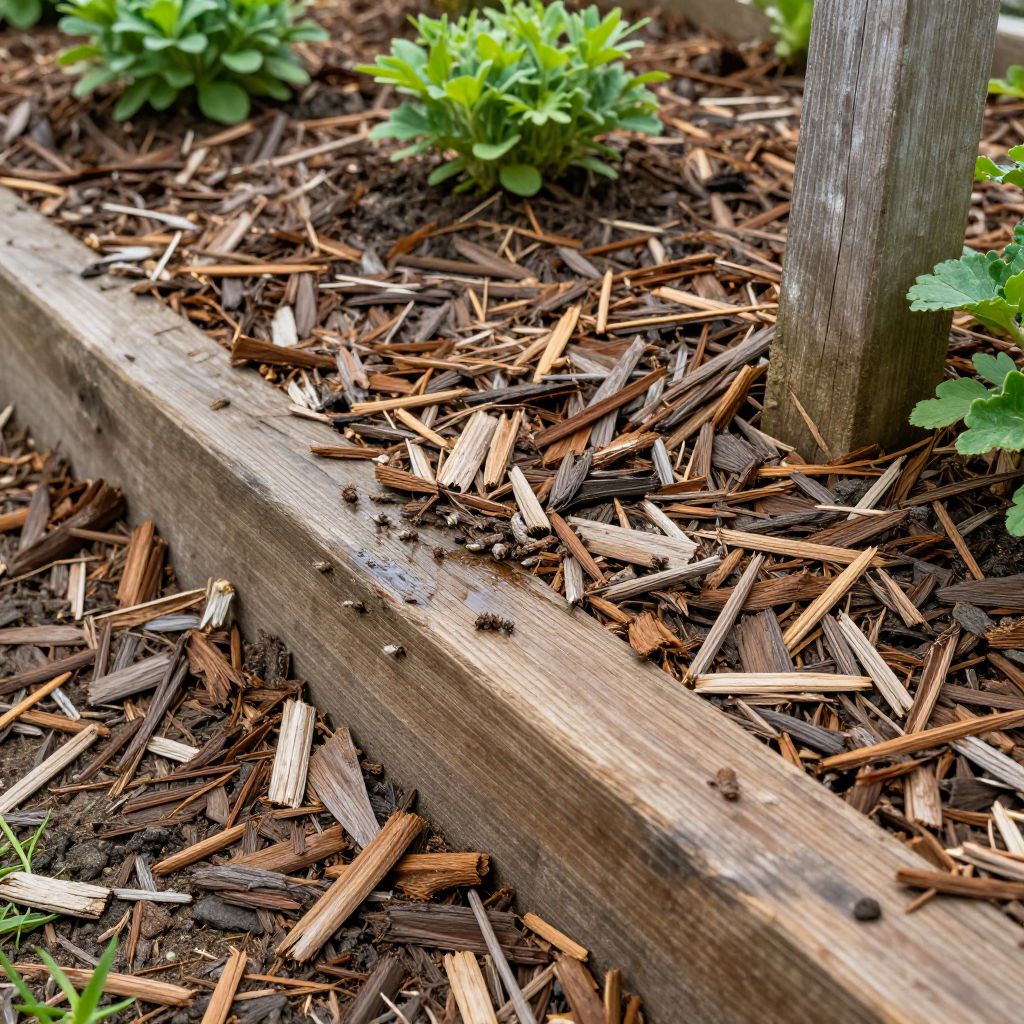
Does mulch attract termites? It can, but mulch itself is not the real problem. Termites are drawn to moisture, shelter, and decaying wood, so thick, damp mulch near a house can make conditions more inviting if you already have termite pressure in your area.
The good news is that you usually do not need to stop mulching. With the right mulch type, depth, and placement, you can protect plants and reduce termite risk at the same time.
Does mulch attract termites?
Mulch does not “create” termites, but it can provide the cool, moist cover they like. Termites are more likely to use mulch as a travel path or resting place when it stays wet, touches wood siding, or is piled too deeply against foundations. Proper spacing and maintenance greatly reduce the risk.
Why termites are attracted to some mulch beds
Termites feed on cellulose, which is found in wood and other plant material. Many mulches are organic, so they naturally break down over time and hold moisture, both of which can make them attractive in the wrong conditions.
What makes mulch more appealing to termites
- Constant moisture from overwatering, poor drainage, or shade
- Deep mulch layers that stay damp and compacted
- Mulch touching wood such as siding, posts, or deck framing
- Nearby food sources like stumps, buried lumber, roots, or landscape timbers
- Hidden entry points where termites can move unnoticed toward a structure
In other words, termites are usually responding to the environment around the mulch, not simply the mulch itself.
Which mulch types are more or less likely to cause problems?
Most organic mulches can support termite activity if conditions are favorable, but some are more likely to stay wet or break down quickly. The safest choice depends on your landscape, climate, and how close the bed is to your home.
Organic mulch
Wood chips, bark, shredded bark, pine needles, and leaf mulch are all useful in garden beds. They improve soil as they decompose, but they should be kept at a sensible depth and away from structures.
Inorganic mulch
Gravel, stone, and rubber mulch do not feed termites, but they are not automatically “better” for every bed. Stone can still trap moisture if the drainage is poor, and rubber mulch is not ideal for all planting situations. Choose based on plant needs, not just pest concerns.
Composted mulch and aged materials
Well-composted mulch is less likely to contain fresh woody debris, but it can still hold moisture. Even aged mulch should be managed carefully near the house.
How to mulch safely around your home
You can still mulch effectively without inviting termite problems. The key is to keep mulch dry enough to function as a soil cover, but not so thick that it becomes a damp hiding place.
Best practices for termite-conscious mulching
- Keep mulch 6 to 12 inches away from foundations, siding, and wooden posts.
- Maintain a mulch depth of about 2 to 4 inches in most beds.
- Do not let mulch touch the base of trees, shrubs, or house walls in a mound.
- Rake and fluff compacted mulch so it dries more evenly after rain.
- Repair drainage issues that leave beds soggy for long periods.
- Remove buried wood scraps, old roots, and construction debris from planting areas.
A thin, well-managed mulch layer is usually far less risky than a deep, constantly wet pile pushed against a wall.
Where mulch is riskiest
Some garden spots are more likely to cause termite concerns than others. If you know where the risk is highest, you can adjust your mulching strategy instead of abandoning mulch altogether.
High-risk areas
- Along house foundations
- Near wood siding, fences, or deck supports
- Around crawl spaces and utility penetrations
- In shaded beds that stay damp after rain
- Where irrigation oversprays onto mulch every day
- Beside old stumps, buried roots, or untreated lumber
If you garden in a termite-prone region, these areas deserve extra attention during routine bed maintenance.
Signs termites may be present near mulch
Mulch alone is not proof of termites. Still, it’s smart to know what to look for so you can catch a problem early.
Common warning signs
- Thin mud tubes on foundations, walls, or posts
- Wood that sounds hollow when tapped
- Discarded termite wings near windows, doors, or soil lines
- Soft, damaged wood close to the ground
- Mulch that stays damp, dark, and compacted for long periods
If you see mud tubes or suspect structural damage, contact a licensed pest professional. Garden mulch management helps, but it does not replace termite inspection or treatment when needed.
How to water and maintain mulch without creating termite-friendly conditions
Watering habits matter just as much as mulch choice. Overwatering can keep mulch and the soil beneath it wet enough to encourage termites and other moisture-loving pests.
Practical moisture management tips
- Water plants deeply, but only when the root zone actually needs it.
- Use drip irrigation or soaker hoses when possible to reduce surface wetness.
- Avoid daily shallow watering that keeps mulch damp all the time.
- Check shaded beds after rain; they may need less supplemental water than sunny beds.
- Trim back dense groundcovers or shrubs if they prevent mulch from drying.
Good drainage is especially important. If water pools in a bed, fix the drainage problem first rather than adding more mulch to “soak it up.”
Should you stop using mulch if you have termites?
Not necessarily. In many landscapes, mulch still offers real benefits: it suppresses weeds, moderates soil temperature, and reduces evaporation. The goal is to use it in a way that does not help termites reach your home.
When to be more cautious
- You already have a termite history on the property
- Your home has wood near grade level
- The bed stays wet and shaded most of the time
- Mulch has been piled against the foundation for years
- You notice other termite signs nearby
In these situations, reduce mulch depth, improve drainage, and keep a clean inspection zone around the structure.
Better alternatives and smart landscape choices
If you want to lower termite risk further, focus on landscape design as well as mulch. Small changes can make a big difference over time.
Helpful adjustments
- Use a narrow gravel or bare-soil inspection strip next to the foundation where appropriate for your landscape.
- Replace rotting landscape timbers with more durable edging materials.
- Store firewood well away from the house and off the ground.
- Remove dead stumps, old root balls, and buried wood debris from beds.
- Keep shrubs pruned so air can move through the planting area.
These steps do not just reduce termite risk. They also make garden maintenance easier and help you spot problems sooner.
Common mulch mistakes that invite trouble
Many termite concerns come from a few avoidable mulching habits. Fixing these is often enough to make a big difference.
Mistakes to avoid
- Piling mulch into a “volcano” around tree trunks or against walls
- Using mulch that is much deeper than needed
- Leaving old mulch to mat down for years without refreshing or loosening it
- Letting irrigation soak the same area every day
- Ignoring drainage issues in low spots
- Covering construction scraps, cardboard, or wood pieces with mulch
Remember: termites are less interested in a tidy, moderately mulched bed than in a wet, hidden, wood-rich one.
What to do if you are worried about termites in mulch
If you suspect termite activity, do not just remove the mulch and hope for the best. Start with a careful inspection and correct the conditions that may be supporting the problem.
Simple action plan
- Pull mulch back from the foundation and wooden structures.
- Check for mud tubes, damaged wood, and damp areas.
- Reduce irrigation where the bed stays wet.
- Remove buried wood and debris from the planting area.
- Improve drainage if water collects after rain.
- Call a pest professional if you find clear signs of termites.
For garden beds, you can usually reapply mulch after the area is corrected. The goal is to create a healthier landscape, not a bare one.
Conclusion: mulch wisely, not fearfully
So, does mulch attract termites? It can contribute to the right conditions, but mulch is not the main cause. Moisture, wood contact, depth, and nearby debris matter most. Keep mulch 6 to 12 inches from structures, maintain a 2 to 4 inch layer, and manage water carefully to protect both your plants and your home.
If you want to keep learning about healthy garden beds, you may also find it helpful to read about how to mulch garden beds correctly and common signs of termites around the home.