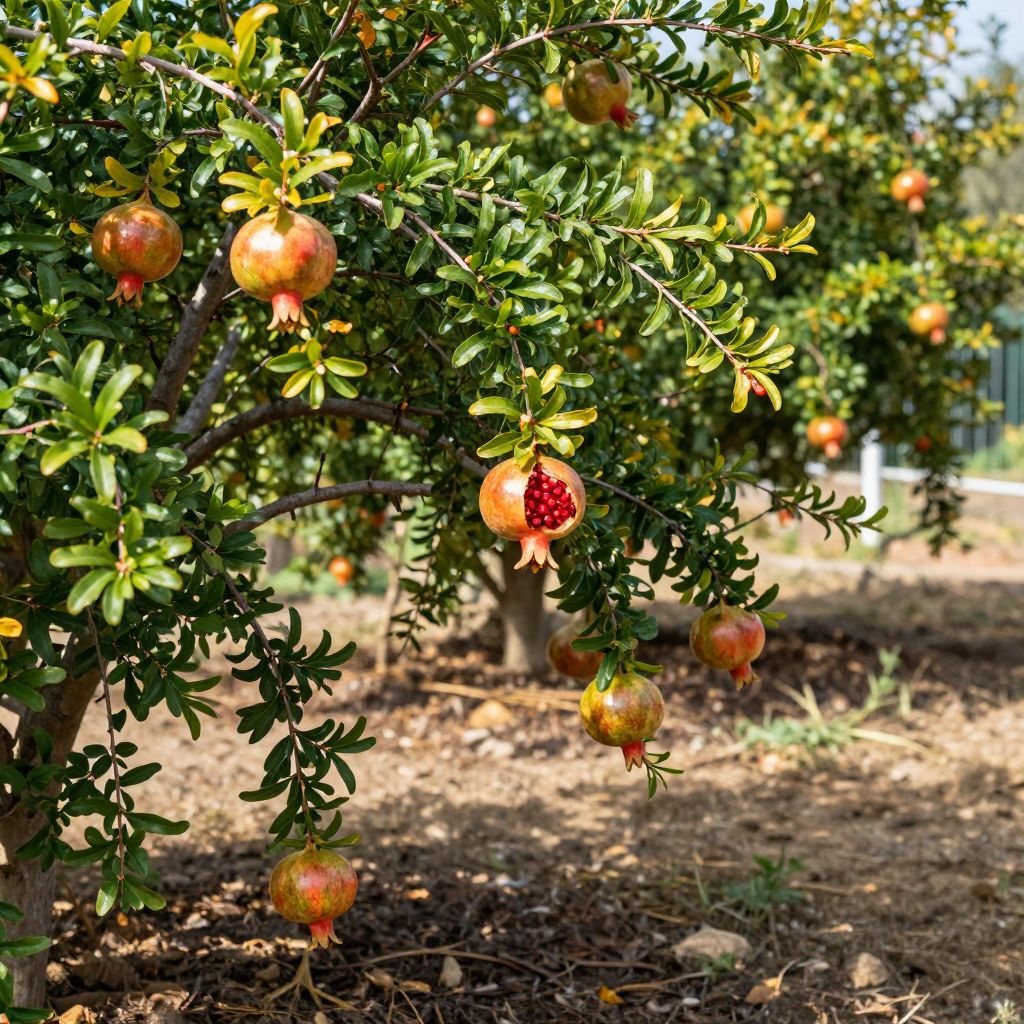
Are pomegranates in season? Yes—though the exact season depends on where you live and whether you’re buying fruit or growing the tree yourself. In many warm regions, pomegranates ripen in late summer through fall, and harvested fruit can often be stored for weeks or even months.
If you’re growing a pomegranate tree (Punica granatum), timing matters for flowering, fruit set, harvest, and winter care. The good news is that pomegranates are relatively tough once established, but they still need the right sun, drainage, and seasonal attention to produce well.
Are pomegranates in season?
Pomegranates are typically in season from late summer into fall, with harvest timing varying by climate, cultivar, and local weather. In warmer areas, fruit may ripen earlier; in cooler or coastal regions, it may mature later. For home growers, the best clue is the fruit itself: full color, a slightly angular shape, and a metallic sound when tapped.
When pomegranates ripen on the tree
Pomegranates do not ripen much after harvest, so picking at the right time is important. Unlike some fruits, they should be harvested when fully mature, not just when they look colorful.
Signs a pomegranate is ready to pick
- The skin turns deep red, pink-red, or yellow-red depending on the variety.
- The fruit feels heavy for its size.
- The sides may become slightly flattened or angular rather than perfectly round.
- The rind looks firm and leathery, not glossy and soft.
- A tapped fruit often gives a more metallic sound than an immature one.
If you’re unsure, wait a little longer rather than picking early. Pomegranates can stay on the tree for some time after ripening, but very late harvests may risk splitting if weather turns wet.
How to grow pomegranates for a better harvest
Healthy trees are more likely to produce fruit on time and with good flavor. Pomegranates are best suited to warm, sunny climates, but they can also be grown in large containers where winters are cold.
Sunlight and temperature
Pomegranates need full sun for the best flowering and fruiting. Aim for at least 6 to 8 hours of direct light daily, and more is often better in cooler climates.
They perform best in warm summers and mild winters. In areas with hard freezes, young trees may need protection, and container-grown plants may need to be moved to shelter during cold spells.
Soil and drainage
Good drainage is essential. Pomegranates tolerate a range of soils, but they dislike waterlogged roots.
- Use well-drained loam, sandy loam, or amended garden soil.
- Avoid heavy clay unless you improve structure with compost and drainage.
- Do not plant in low spots where water collects after rain.
Before planting, mix in compost if your soil is poor, but avoid overloading the planting hole with rich amendments alone. The surrounding soil should still drain well so roots spread outward naturally.
Watering needs
Young trees need regular watering to establish roots, but mature pomegranates are fairly drought-tolerant. Even so, consistent moisture during flowering and fruit development helps reduce fruit drop and improve size.
Water deeply, then let the top few inches of soil dry before watering again. Irregular watering can cause problems such as cracked fruit or uneven ripening.
Planting and spacing tips
Whether you’re planting in the ground or growing in a container, give pomegranates room to breathe. Crowding reduces airflow and can increase pest and disease issues.
In-ground planting
- Choose a sunny site with excellent drainage.
- Dig a hole as deep as the root ball and about twice as wide.
- Set the plant at the same depth it was growing in the nursery container.
- Backfill with native soil, firm gently, and water thoroughly.
- Mulch lightly, keeping mulch a few inches away from the trunk.
If you are planting more than one tree, leave enough space for mature growth and airflow. Exact spacing depends on whether you’re training a shrub form or a small tree, so check the expected size of your variety.
Container growing
Pomegranates can be grown in large pots, especially dwarf or naturally compact forms. Use a container with drainage holes and a gritty, well-draining potting mix.
- Choose a pot large enough to support root growth.
- Use a mix that drains quickly but still holds some moisture.
- Place the container in the sunniest spot you have.
- Check moisture more often than you would for in-ground plants.
Container plants dry out faster, so they may need more frequent watering during hot weather. In winter, move them to a protected location if your climate gets cold enough to damage roots.
Pruning for fruiting and shape
Pruning helps pomegranates stay productive and manageable. It also improves light penetration, which is important for flower and fruit development.
What to remove
- Dead, damaged, or crossing branches
- Root suckers and low shoots if you want a tree form
- Dense interior growth that blocks light and air
- Very weak branches that won’t support fruit well
Prune during the dormant season in cooler climates, or at a time that suits your local growing pattern. Avoid heavy pruning right before expected flowering, since that can reduce the current season’s crop.
For young trees, focus on structure. For mature trees, thin out crowded wood and keep the canopy open enough that sunlight reaches fruiting branches.
Feeding pomegranates without overdoing it
Pomegranates usually do not need heavy fertilizing. Too much nitrogen can push leafy growth at the expense of flowers and fruit.
A modest application of compost in spring is often enough for home gardens, especially if soil is already reasonably fertile. If growth is weak, leaf color is poor, or your soil is very sandy, a balanced fertilizer may help—but follow local soil conditions and product directions rather than guessing.
Too much fertilizer can reduce fruiting. If the tree is growing lots of shoots but few flowers, back off on feeding and focus on sun, pruning, and watering consistency.
Common pests and diseases
Pomegranates are generally resilient, but they can still run into problems. Catching issues early is the easiest way to protect the crop.
Common pests
- Aphids on new growth
- Whiteflies in warm, sheltered plantings
- Scale insects on stems and branches
- Fruit borers or caterpillars in some regions
Check the undersides of leaves and tender shoots regularly. A strong water spray, pruning out badly infested growth, and encouraging beneficial insects can often keep minor infestations under control.
Common diseases and disorders
- Fruit splitting from irregular watering or sudden rain after dry weather
- Root rot in poorly drained soil
- Leaf spot during humid conditions
- Poor fruit set from low light, stress, or improper pruning
To reduce splitting, keep watering as even as possible once fruit begins sizing up. To avoid root problems, never let the tree sit in soggy soil for long periods.
Propagation: starting new pomegranate plants
If you want more plants, pomegranates are commonly propagated from cuttings or by layering, though seed-grown plants may not come true to type and can take longer to fruit.
Best propagation methods for home gardeners
- Hardwood cuttings taken during dormancy
- Softwood cuttings in active growth, if conditions are right
- Layering where a low branch roots while still attached
For beginners, cuttings are often the most practical method. Use clean tools, healthy parent wood, and a well-draining rooting medium. Keep new plants warm, bright, and evenly moist but not wet.
Harvesting and storing pomegranates
Harvest at full maturity for the best flavor and storage life. Since pomegranates do not continue ripening much after picking, timing is more important than with many other fruits.
How to harvest
- Use clean pruning shears or hand pruners.
- Cut the fruit from the branch rather than pulling it off.
- Leave a short stem attached if possible.
- Handle fruit gently to avoid bruising or cracking.
Store harvested fruit in a cool, dry place with good airflow. In suitable conditions, pomegranates can keep for a surprisingly long time, which is one reason they’re such a useful late-season fruit for home gardeners.
Why your pomegranate may not be fruiting
If your tree flowers but doesn’t set fruit, or if it drops fruit early, the cause is usually environmental rather than mysterious. Start by checking the basics.
Common causes of poor fruiting
- Insufficient sunlight
- Excess nitrogen from fertilizer
- Irregular watering during flowering or fruit set
- Overcrowded branches with poor airflow
- Cold damage to buds or flowers
Some pomegranates also produce more flowers than fruit naturally, especially when young. A newly planted tree may need a few seasons to settle in before it yields well.
Seasonal care calendar for home gardeners
Because climate varies so much, think in seasons rather than fixed dates. Adjust this pattern to your local weather and the age of your tree.
Spring
- Check for winter damage and prune lightly if needed.
- Add compost if the soil is low in organic matter.
- Water as growth resumes.
Summer
- Keep watering even, especially during flowering and fruit sizing.
- Watch for pests and fruit splitting.
- Support branches if heavy fruit loads bend them.
Fall
- Harvest ripe fruit as they mature.
- Reduce watering gradually if rains return.
- Clean up fallen fruit and leaves to limit pests.
Winter
- Protect young or container-grown plants from hard freezes.
- Prune during dormancy if your climate allows.
- Inspect branches for dieback or storm damage.
Conclusion
So, are pomegranates in season? Usually yes in late summer through fall, but the exact timing depends on your climate and the variety you grow. If you want a better harvest, focus on full sun, sharp drainage, steady watering, and light pruning rather than heavy feeding.
For more practical fruit-growing guidance, you may also want to read about how to prune fruit trees for better harvests and container gardening tips for small-space fruit plants.