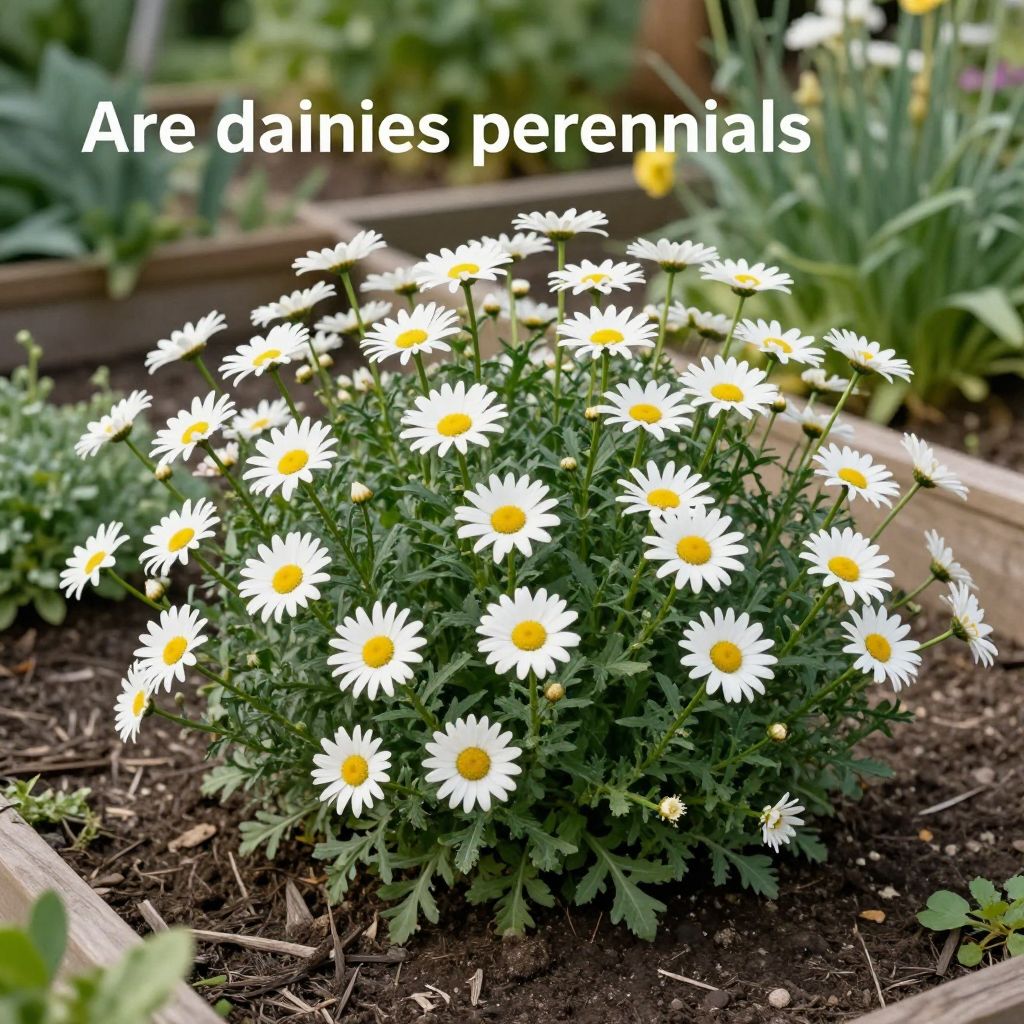
Are daisies perennials? In many gardens, yes—but not all plants called “daisies” behave the same way. Some are true perennials that return for years, while others are annuals or short-lived perennials depending on climate and variety.
If you want daisies that come back reliably, it helps to know which type you’re growing, what conditions they prefer, and how to keep them vigorous. A little plant ID and basic care can make the difference between a one-season display and a long-lasting clump.
Are daisies perennials?
Many daisies are perennials, including common garden types such as Shasta daisy (Leucanthemum × superbum) and oxeye daisy (Leucanthemum vulgare). However, some plants sold as daisies are annuals or tender perennials. Whether yours returns depends on the species, your winter climate, soil drainage, and how well the plant is established.
Which “daisies” come back year after year?
The word “daisy” is used for several different plants, so it’s worth checking the label or botanical name. If you know the exact plant, you can better predict whether it will survive winter and regrow from the crown or roots.
Common perennial daisies
- Shasta daisy (Leucanthemum × superbum) – a classic perennial border plant.
- Oxeye daisy (Leucanthemum vulgare) – a tough perennial in many regions, though it can spread aggressively in some areas.
- English daisy (Bellis perennis) – a perennial in mild climates, often grown as a cool-season plant.
- Gerbera daisy (Gerbera jamesonii) – a perennial in frost-free or very mild climates, often treated as a seasonal plant elsewhere.
Plants often mistaken for perennial daisies
- Marguerite daisy (Argyranthemum frutescens) – usually perennial only in mild climates; often treated as an annual.
- African daisy (Osteospermum spp.) – can be perennial in warm regions but may not survive hard freezes.
- Painted daisy (Tanacetum coccineum) – a true perennial with daisy-like flowers.
How to tell if your daisy will survive winter
Look for signs that the plant is built to return from the base rather than from seed alone. Perennial daisies usually form a crown or clump at the soil line and send up fresh growth each spring. If the plant is labeled “hardy perennial,” it is more likely to survive winter outdoors in your climate.
Check these clues
- Botanical name on the tag or plant label.
- Hardiness information from the nursery, if provided.
- Plant habit: clumping perennials often return from the crown.
- Your winter lows: a plant that is perennial in one region may fail in another.
If you don’t know the exact variety, watch how it behaves. A plant that dies back in winter but reappears from the roots or crown in spring is perennial in your garden, even if it looks dormant for several months.
Best growing conditions for perennial daisies
Most perennial daisies do best in full sun, well-drained soil, and moderate moisture. They are usually easy to grow, but they dislike soggy roots and poor air circulation. Good site selection is one of the simplest ways to improve flowering and winter survival.
Sunlight
Give daisies at least 6 hours of direct sun if possible. In hotter climates, a little afternoon shade can help prevent stress and keep blooms looking fresher.
Soil
Daisies prefer soil that drains well but still holds some moisture. If your soil is heavy clay, mix in compost to improve structure and drainage. In very sandy soil, compost helps retain moisture and nutrients.
Water
Water newly planted daisies regularly until established. After that, most perennial daisies prefer even moisture with the top inch or two of soil drying slightly between waterings. Avoid frequent shallow watering if it leaves the roots sitting in wet soil.
Compost and feeding
A light annual top-dressing of compost is often enough for established perennial daisies. Too much nitrogen can produce lush leaves with fewer flowers, so avoid overfeeding unless your soil test suggests a real need.
How to plant perennial daisies
Planting them correctly gives you the best chance of getting a long-lived clump. The main goals are good root contact with soil, proper spacing, and drainage that keeps the crown from staying wet.
- Choose a sunny site with well-drained soil.
- Loosen the soil and mix in compost if needed.
- Dig a hole as deep as the root ball and slightly wider.
- Set the plant so the crown sits at soil level, not buried deep.
- Backfill, firm gently, and water thoroughly.
- Mulch lightly, keeping mulch a little away from the crown.
Do not bury the crown too deeply. That is a common reason perennial daisies rot or fail to regrow well after winter.
Seasonal care for healthy, blooming plants
Perennial daisies are fairly low-maintenance, but a few timely tasks keep them flowering longer and looking tidy. The exact timing depends on your climate, but the basic pattern is the same: support spring growth, deadhead through summer, and prepare the plant for winter.
Spring
Remove dead stems and old mulch once new growth begins. If the clump is crowded, this is a good time to divide mature plants in cool weather, before they put most of their energy into flowering.
Summer
Deadhead spent blooms to encourage more flowers and prevent the plant from putting energy into seed production. Water during dry spells, especially for younger plants or those in containers.
Fall
In colder regions, let the foliage die back naturally if the plant is healthy. You can cut stems down after frost or leave some structure for winter interest and wildlife, depending on your garden style and local conditions.
Winter
Perennial daisies in the ground usually need little care beyond drainage. In wet winter climates, avoid heavy mulch that traps moisture around the crown. Container-grown daisies are more vulnerable and may need protection from hard freezes.
Pruning, deadheading, and dividing
These three maintenance tasks help perennial daisies stay vigorous. They also reduce flopping, improve air circulation, and keep the plant flowering more evenly.
Deadheading
Snip off faded flowers just above a healthy leaf or side shoot. This can extend the bloom period and keeps the plant looking neat.
Cutting back
If stems become leggy or the plant looks tired after a flush of bloom, trim it lightly to encourage fresh growth. Avoid hard pruning at the wrong time if the plant is already stressed by heat or drought.
Dividing clumps
Many perennial daisies benefit from division every few years, especially when the center becomes woody or flowering declines. Dig up the clump, separate healthy outer sections with roots attached, and replant them in improved soil.
- Divide in cool weather, not during peak heat.
- Replant divisions promptly.
- Water well after transplanting.
- Discard weak, diseased, or dead center sections.
Common pests and diseases
Perennial daisies are usually hardy, but they can still run into trouble. Most issues are easier to prevent than to fix after the plant is already stressed.
Common pests
- Aphids on tender shoots and buds.
- Slugs and snails around moist, shaded plantings.
- Spider mites in hot, dry conditions, especially on stressed plants.
Common diseases
- Powdery mildew in crowded or poorly ventilated plantings.
- Root rot in wet, poorly drained soil.
- Leaf spots during humid weather or when foliage stays wet too long.
To reduce disease pressure, space plants properly, water at the base instead of overhead when possible, and remove infected leaves promptly. If a plant repeatedly struggles in the same spot, drainage is often the real problem.
Propagation: how to make more daisies
If you want more plants, perennial daisies can often be propagated by division, seed, or sometimes cuttings, depending on the type. Division is the most reliable method for maintaining the same plant traits.
Division
This is the easiest way to clone a perennial daisy. It works best on established clumps with multiple crowns.
Seed
Some daisies grow well from seed, but seedlings may not match the parent plant exactly if the variety is a hybrid. Seed is a good option if you want a larger planting and don’t need exact uniformity.
Cuttings
Some daisy types root from soft stem cuttings, but this is less common for home gardeners than division. If you try it, use healthy non-flowering shoots and keep the cuttings evenly moist until rooted.
Growing perennial daisies in containers
Containers can work well, especially for compact varieties or for gardeners with poor soil. The key difference is that pots dry out faster and roots are more exposed to temperature swings.
- Use a pot with drainage holes.
- Choose a high-quality potting mix, not garden soil.
- Water when the top layer of mix feels dry.
- Protect pots from hard freezes if your daisy is marginally hardy.
Container-grown daisies may need more frequent watering and occasional repotting. If flowering declines and roots fill the pot, divide or repot in fresh mix.
Common mistakes to avoid
Most daisy problems come from a few simple mistakes. Avoiding them will help your plants stay healthier and bloom longer.
- Planting in shade when the variety needs full sun.
- Overwatering or planting in soggy soil.
- Burying the crown too deeply.
- Skipping deadheading if you want longer bloom.
- Letting clumps get overcrowded for too many years.
Quick answer: when are daisies not perennials?
Daisies are not perennials when the specific plant is an annual, a tender perennial in a cold climate, or a short-lived plant that cannot survive your winter conditions. Even true perennials may act like annuals if they are planted in poor drainage, deep shade, or exposed to temperatures beyond their tolerance.
Conclusion
So, are daisies perennials? Often yes, but it depends on the exact plant and your growing conditions. Check the botanical name, give the plant sun and good drainage, and keep it tidy with deadheading and occasional division. If you’re unsure what you have, observe whether it returns from the crown next spring.
If you want to keep learning, look for more gardening guidance on daisy care and types and improving soil drainage.