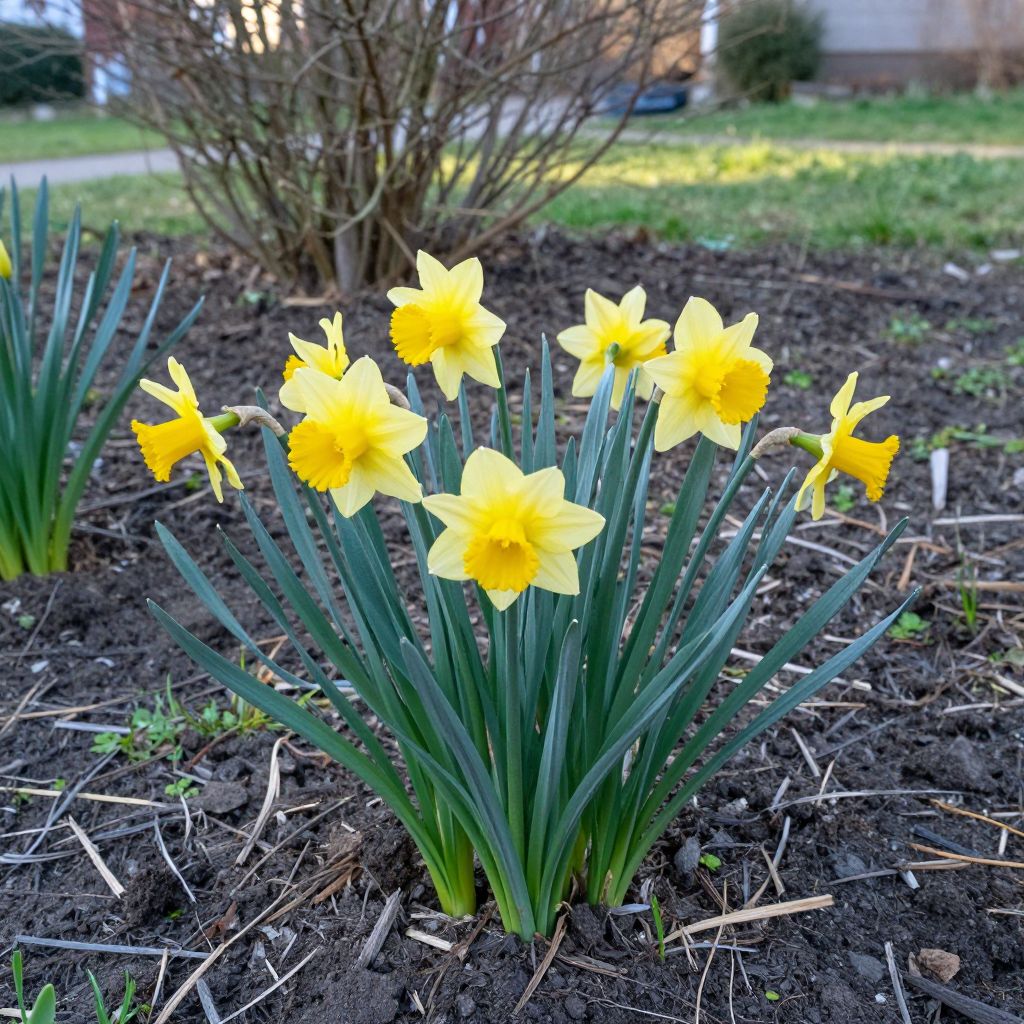
Wondering when do daffodils bloom in your garden? The short answer is: most daffodils flower in spring, but the exact timing depends on the variety, your climate, and how warm or cold the season has been. Some bloom very early, while others wait until mid- or late spring.
If you want reliable flowers, it helps to understand how daffodils respond to temperature, planting depth, sunlight, and soil drainage. With the right conditions, these bulbs can return year after year and give you a long, dependable bloom season.
When do daffodils bloom?
Daffodils usually bloom from late winter through spring, often starting when soil begins to warm but nights are still cool. Early varieties may flower as soon as late winter in mild climates, while later types can bloom into mid-spring. In many gardens, the display lasts about 2 to 6 weeks overall, depending on weather and cultivar.
What affects daffodil bloom time?
Several factors influence when daffodils bloom, and the same variety can open earlier or later from year to year. Temperature is the biggest driver, but planting depth, sunlight, moisture, and bulb health also matter.
Climate and local weather
Cooler spring weather usually stretches the bloom period, while a warm spell can push flowers open quickly and shorten the show. In colder regions, daffodils naturally bloom later than they do in mild coastal or southern gardens.
Variety selection
Different daffodil types bloom at different times. If you plant a mix of early, midseason, and late cultivars, you can extend flowering instead of getting one short burst.
- Early bloomers open first, often in late winter to early spring.
- Midseason daffodils are the most common and bloom in spring.
- Late bloomers follow afterward and can carry the display into later spring.
Sunlight and site conditions
Daffodils bloom best in full sun to light shade. Too much shade can reduce flowering and make stems weak, which may delay bloom time or limit the number of flowers.
Bulb maturity and health
Newly planted bulbs may bloom well the first spring, but weak, overcrowded, or poorly stored bulbs can be slower to flower. Bulbs that have been left in the ground for several years may also bloom less if they become crowded.
How to grow daffodils for dependable spring blooms
Healthy daffodils are easier to time and much more likely to bloom strongly. The goal is simple: give the bulbs a cool dormant period, well-drained soil, and enough sunlight after planting.
Planting basics
- Choose a site with well-drained soil and at least half a day of sun.
- Plant bulbs in fall, before the ground freezes in your area.
- Set bulbs pointy end up, usually about 2 to 3 times as deep as the bulb is tall.
- Space them so they are not crowded, which helps air flow and future division.
- Water after planting if the soil is dry, then let seasonal rainfall do most of the work.
Soil and drainage
Daffodils dislike soggy soil. Heavy clay can work if it drains reasonably well, but bulbs rot more easily in wet ground, especially over winter. If your soil stays wet, improve it with compost and consider raised beds or a better-drained planting area.
Compost and nutrients
A modest amount of compost mixed into the planting area can improve soil structure and drainage. Avoid fresh manure, which can be too strong and may encourage rot. In many gardens, daffodils do not need heavy feeding if the soil is reasonably fertile.
Why daffodils may bloom late or not at all
If your daffodils are not blooming when expected, the issue is often cultural rather than genetic. Most problems come from too much shade, poor drainage, or cutting back foliage too soon after flowering.
Common reasons for poor bloom
- Too much shade from trees, shrubs, or buildings.
- Bulbs planted too shallowly, which can stress them.
- Waterlogged soil causing bulb rot.
- Foliage removed too early, before the bulb has recharged.
- Overcrowding after several years in the ground.
How to fix it
If flowering has declined, wait until the foliage yellows naturally before removing it. Then lift and divide congested clumps if needed, replanting the healthiest bulbs in a sunnier, better-drained spot. If the site is too shady, consider moving bulbs in fall after the leaves have died back.
How long do daffodils bloom?
Individual daffodil flowers usually last about one to two weeks, though cool weather can extend that. A planting with mixed bloom times can keep the garden colorful for several weeks. If you want a longer display, combine early, midseason, and late varieties.
Tips to extend the season
- Plant several daffodil types rather than one variety.
- Choose a site with morning sun and good drainage.
- Avoid planting in a spot that heats up too quickly in spring.
- Deadhead spent flowers, but leave the leaves in place.
What to do after daffodils bloom
After flowering, the leaves are still working. They are storing energy in the bulb for next year’s bloom, so post-bloom care matters just as much as planting care.
Post-bloom care steps
- Remove faded flowers so the plant does not spend energy making seed.
- Leave the foliage standing until it turns yellow and collapses naturally.
- Water lightly only if spring is unusually dry and the soil is not naturally moist.
- Do not braid, tie, or cut green leaves early.
Important: cutting back green leaves too soon is one of the most common reasons daffodils bloom poorly the following year.
Can you grow daffodils in pots?
Yes, daffodils can bloom well in containers if the pot drains freely and the bulbs get the cold period they need. Container-grown bulbs dry out faster than those in the ground, so they need a little more attention.
Container growing tips
- Use a pot with drainage holes.
- Choose a loose, well-draining potting mix.
- Plant bulbs close together but not touching.
- Keep the pot outdoors where it can experience winter chill, unless you are using a forced-blooming method indoors.
- Water when the top layer of mix dries, but never let the pot sit in water.
Common pests and diseases
Daffodils are generally dependable, but they can still run into trouble. Most problems are preventable with good drainage, clean planting material, and sensible garden hygiene.
Problems to watch for
- Bulb rot from wet soil or poor storage.
- Narcissus bulb fly in some regions, which can damage bulbs.
- Slugs and snails nibbling young shoots in damp weather.
- Fungal leaf spotting in crowded or overly wet plantings.
Prevention
Plant only firm, healthy bulbs, and discard any that feel soft or look moldy. Keep the planting area clean, avoid overwatering, and give clumps room to breathe. If you suspect a pest or disease issue, remove badly affected bulbs rather than replanting them in the same spot.
How to use daffodils in the landscape
Daffodils are excellent for borders, lawn edges, under deciduous trees, and naturalized drifts. Because they bloom before many trees leaf out, they can make use of bright spring light in places that become shadier later.
Good companion ideas
- Other spring bulbs for layered bloom
- Perennials that emerge later and hide fading foliage
- Lawns or meadow-style plantings where leaves can die back naturally
For the best results, plant daffodils where their fading leaves will not be in the way of summer plantings or mowing too soon. That makes after-bloom care much easier.
Conclusion
So, when do daffodils bloom? Usually in late winter to spring, with timing shaped by variety, climate, and growing conditions. If you want a longer, stronger display, plant bulbs in well-drained soil, give them sun, and let the foliage finish its job after flowering. For more spring bulb planning, you may also want to read about how to plant spring-flowering bulbs and how to divide overcrowded bulbs.