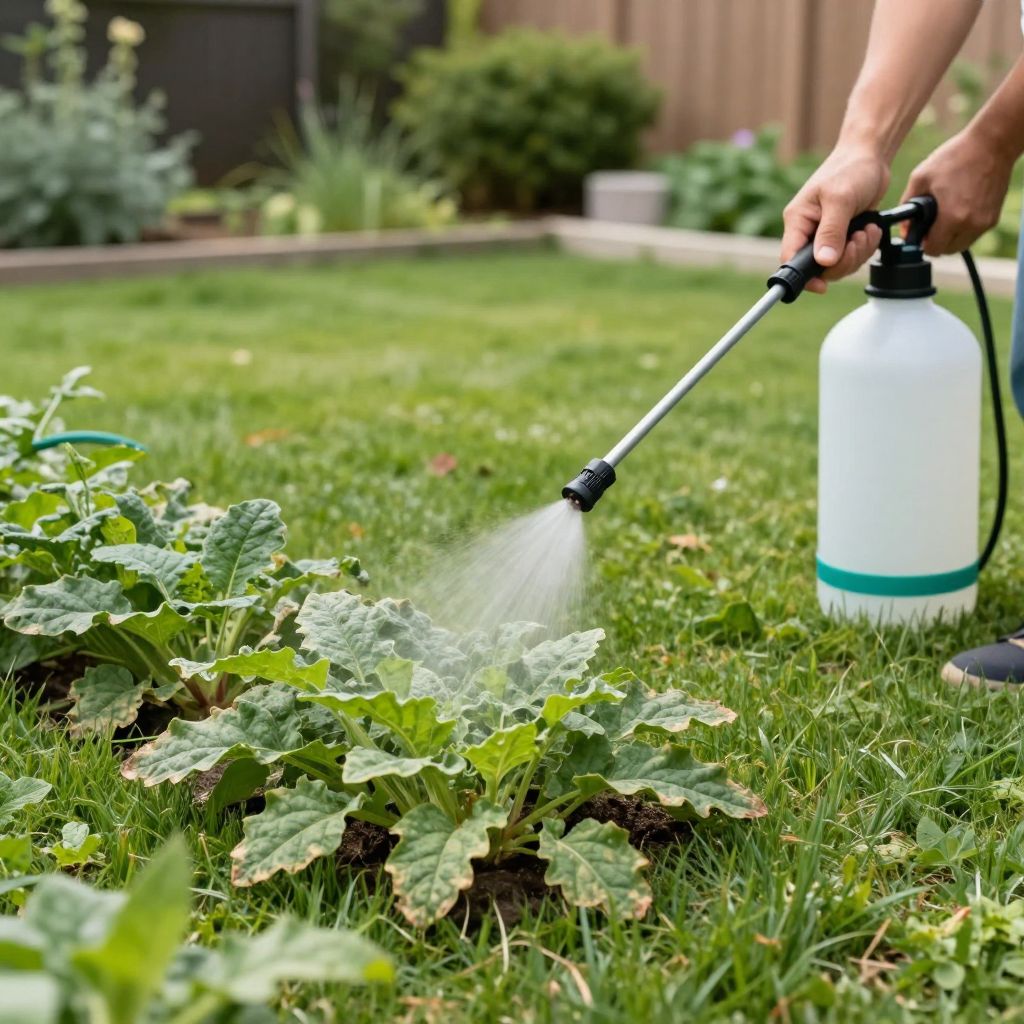
Why is Lescohid herbicide good? If you’re trying to control stubborn weeds, the answer usually comes down to how well it fits your lawn or landscape problem, how consistently it works, and whether you use it correctly. Herbicides can be very effective, but only when matched to the weed type, site conditions, and label directions.
In practical gardening terms, a “good” herbicide is one that helps you manage weeds without harming desirable plants or creating avoidable problems. That means understanding what Lescohid is designed to do, when it works best, and the common mistakes that make any herbicide seem disappointing.
Why is Lescohid herbicide good?
Lescohid herbicide is considered good when it gives reliable weed control, is used on the right target weeds, and fits the area you’re treating. The best results come from correct timing, proper application, and favorable weather. It is not a cure-all; success depends on matching the product to the weed, turf, or landscape situation.
What makes a herbicide “good” in a garden or lawn?
A useful herbicide should do three things well: control the intended weeds, protect the plants you want to keep, and be practical to apply. For home gardeners, that usually means clear label directions, predictable performance, and manageable risk when used carefully.
Key qualities to look for
- Targeted control: It should work on the weed types you actually have, whether broadleaf weeds, grassy weeds, or sedges.
- Plant safety: It should be appropriate for the turfgrass, ornamental bed, or non-crop area where you plan to use it.
- Timing flexibility: It should work best under the conditions you can realistically provide, such as active weed growth and dry weather after application.
- Ease of use: Clear mixing, spraying, or spreading instructions help reduce mistakes.
- Consistency: A good product should perform reliably when used as directed, not only in ideal conditions.
Common causes of poor results with Lescohid herbicide
When a herbicide seems ineffective, the problem is often not the product itself. More often, the issue is weed identification, application timing, weather, or coverage. These are the most common reasons home gardeners get disappointing results.
1. The weed type does not match the product
Herbicides are usually selective. A product that controls broadleaf weeds may do little against crabgrass, nutsedge, or perennial grasses. Before treating, identify the weed correctly and confirm that the label lists it as a target.
2. The weeds are too mature
Young, actively growing weeds are usually easier to control than large, established ones. Mature weeds may have deeper roots, thicker cuticles, or more stored energy, which can reduce herbicide performance.
3. Weather interfered with application
Rain soon after spraying, drought stress, extreme heat, or cold can all reduce results. Many herbicides work best when weeds are actively growing and not under stress. Wind can also cause drift onto desirable plants.
4. Coverage was uneven
Spotty spraying leaves untreated tissue behind. For contact or foliar herbicides, poor leaf coverage is a common reason weeds survive. Overlapping passes or missing the center of a clump can make control look weak.
5. The lawn or soil conditions are stressed
Compacted soil, poor drainage, low fertility, mowing too short, or drought stress can weaken turf and make weeds more visible. A stressed lawn often cannot outcompete weeds, even if herbicide is used correctly.
6. Reinfestation happened after treatment
Sometimes the original weeds were controlled, but new seeds germinated later. If the seed bank is active, one application rarely solves the whole problem. Long-term weed control usually requires follow-up and better cultural care.
How to use Lescohid herbicide more effectively
Good herbicide results depend on careful preparation and application. Work methodically, read the label thoroughly, and treat only the areas and weeds listed on the product. If you are unsure about a plant or weed, identify it before spraying.
Step-by-step application checklist
- Identify the weed. Broadleaf, grassy, and sedge weeds often need different products.
- Check the site. Confirm whether the product is labeled for lawns, ornamentals, driveways, fence lines, or other areas.
- Read the label completely. Follow directions for mixing, application method, protective gear, and re-entry restrictions.
- Choose the right weather. Apply when rain is not expected immediately and when wind is low enough to prevent drift.
- Treat actively growing weeds. Avoid spraying drought-stressed, frost-damaged, or heat-stressed plants when possible.
- Apply evenly. Make sure the target foliage is covered according to label directions.
- Wait before judging results. Some weeds decline quickly; others take longer to show symptoms.
Best conditions for success
- Weeds are young and actively growing.
- Soil moisture is adequate, but the area is not waterlogged.
- Temperatures are moderate for the season and product type.
- There is little wind and no immediate rainfall.
- The treated plants are not already under severe stress.
How to tell whether the herbicide is working
Visible symptoms vary by product and weed species, but you should generally see some change within the label’s expected timeframe. Do not reapply too quickly unless the label allows it. Repeated applications too soon can increase plant stress without improving control.
Signs of progress
- Leaves begin to yellow, curl, or wilt.
- Growth slows noticeably.
- Weeds stop spreading into nearby turf or beds.
- New shoots fail to recover after several days or weeks, depending on the product.
Signs something went wrong
- No visible change after the expected period.
- Only the top growth is damaged, but the weed recovers quickly.
- Desirable plants show injury, spotting, or distortion.
- Weeds return in the same area because the root system was not controlled.
Common mistakes to avoid
Most herbicide failures are preventable. A few simple habits can make a big difference in how well Lescohid herbicide performs and how safe it is for the rest of your garden.
- Do not guess the weed ID. Misidentification leads to the wrong product choice.
- Do not spray stressed plants. Drought, heat, and cold can reduce uptake.
- Do not ignore the label. The label is the legal and practical guide for use.
- Do not overapply. More product is not better and may damage turf or ornamentals.
- Do not treat on windy days. Drift can injure nearby flowers, shrubs, vegetables, or trees.
- Do not mow immediately before or after if the label advises otherwise. Mowing can reduce leaf area and lower uptake.
How to support weed control without relying only on herbicide
Even a good herbicide works best as part of an overall weed management plan. Healthy turf, mulched beds, and good soil care reduce pressure from new weeds and make future treatments more effective.
Helpful long-term practices
- Improve turf density: Overseed thin areas where appropriate for your grass type and climate.
- Mow correctly: Keep turf at the recommended height for the species so it shades out weeds better.
- Water deeply and less often: This encourages stronger roots in established lawns, though local conditions matter.
- Use mulch in beds: A 2- to 3-inch layer can suppress many annual weeds.
- Pull escapes early: Remove weeds before they flower and set seed.
- Fix drainage and compaction: Wet, compacted soil often favors weeds over desirable plants.
Safety and plant protection considerations
Herbicides can be helpful tools, but they must be handled with care. Protect nearby ornamentals, edible crops, pollinator plants, and water sources. If your garden includes mixed plantings, use shields, spot treatment, or non-chemical methods where needed.
Practical safety reminders
- Wear the protective gear listed on the label.
- Keep children and pets away until the treated area is safe to re-enter.
- Store the product in its original container with the label intact.
- Rinse equipment only where runoff will not harm plants or waterways.
- Never use a product on a plant or site not listed on the label.
When to choose another solution
Sometimes the best answer is not a stronger herbicide but a different approach. If weeds are growing among valuable perennials, vegetables, or young shrubs, hand removal, mulch, edging, or a different labeled product may be safer and more effective.
If you are dealing with a recurring weed problem, start by identifying the weed, checking the site conditions, and confirming that the product is actually suited to the job. For more practical lawn and landscape guidance, you may also find it helpful to read about lawn weed control basics and mulching garden beds for fewer weeds.