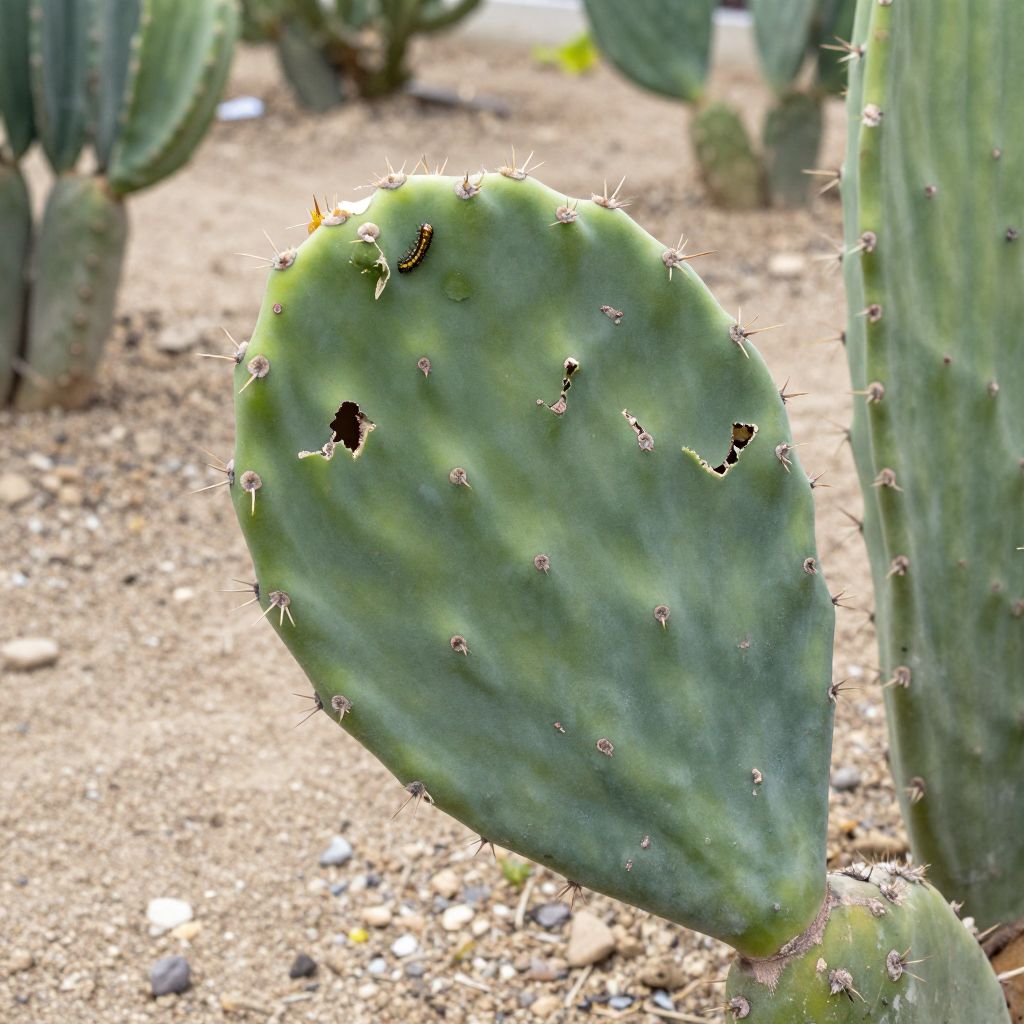
What eats cactus? If your cactus has chewed edges, missing pads, or ragged holes, the culprit is usually not “deer-proof” magic failing—it’s a hungry animal, insect, or sometimes a disease that looks like feeding damage. The good news is that most cactus damage can be identified and managed once you know what to look for.
Start by checking the pattern of damage, the time of day it appears, and whether the problem is indoors or outdoors. That will help you separate true pests from sunburn, rot, or mechanical injury and choose the right fix without harming the plant.
What eats cactus?
Cactus can be eaten by mammals like rabbits, rodents, deer, and javelina; insects such as mealybugs, scale, and cactus moth larvae; and occasionally snails or slugs on soft growth. In many cases, the “eating” is actually chewing, rasping, or sap-sucking damage rather than a plant being fully consumed.
Common animals that eat cactus
Rabbits and rodents
Rabbits, pack rats, mice, and squirrels may nibble tender cactus pads, young stems, or newly planted specimens. They often leave clean bite marks, clipped edges, or scattered debris near the plant.
Rodent damage is more common around irrigation lines, mulch, dense groundcovers, or sheltered corners where animals can hide. Young cacti are especially vulnerable because their tissue is softer and easier to chew.
Deer and larger herbivores
In some areas, deer will browse cactus, especially softer species or new growth. In the Southwest, javelina can cause much more severe damage by tearing into pads and uprooting plants while foraging.
If the damage is high up, widespread, or looks like a large animal pushed through the bed, think beyond insects. Tracks, scat, and trampled soil are strong clues.
Birds and other opportunists
Birds usually do not eat mature cactus tissue, but they may peck at fruit, flowers, or soft tissue on damaged plants. They can also expose wounds that later invite rot or insects.
Insects and pests that damage cactus
Mealybugs and scale
Mealybugs and scale insects do not chew cactus in the usual sense, but they suck sap and weaken the plant. You may see white cottony clusters, brown bumps, sticky residue, or yellowing pads.
Severe infestations can cause distortion, stunting, and decline that gardeners sometimes mistake for feeding damage. On indoor cacti, these pests are especially common because natural predators are absent.
Cactus moth larvae and caterpillars
Some caterpillars bore into pads or stems, leaving holes, tunnels, frass, and soft collapsing tissue. Cactus moth larvae are a serious issue in some regions, particularly where prickly pear is grown.
Look for entry holes, darkened patches, or sections that suddenly soften. If you cut into a damaged pad, you may find larvae inside.
Snails and slugs
Snails and slugs usually target young, tender cactus tissue or seedlings, especially in humid climates or shaded containers. They leave irregular holes and silvery slime trails.
They are more active at night and after rain or irrigation, so daytime inspections may miss them.
How to tell what is eating your cactus
Use the damage pattern to narrow down the cause. A careful inspection often tells you more than the hole itself.
- Clean, clipped edges: often rabbits or rodents.
- Large torn sections or uprooted plants: larger mammals like deer or javelina.
- Small holes, tunnels, or soft collapse: caterpillars or borers.
- Sticky residue, cottony patches, or bumps: mealybugs or scale.
- Irregular holes with slime trails: slugs or snails.
- Bleached, corky, or browned tissue without chewing: often sunburn, cold injury, or rot rather than feeding.
Check the plant at dawn or dusk if you suspect animals. For insects, inspect the joints, undersides, crevices, and the base of pads with a flashlight.
How to protect cactus from being eaten
Use physical barriers first
Exclusion is usually the most reliable solution. For outdoor cactus, a small fence, wire cage, or protective enclosure can stop rabbits, deer, and larger animals better than sprays alone.
For potted cactus, move containers onto a raised stand, porch, or enclosed patio if possible. Indoor plants should be kept away from pet traffic and open windows where pests can enter.
Choose the right planting site
Place cactus where it is less likely to be browsed or disturbed. Avoid low, hidden spots near dense shrubs if rodents are a problem, and do not crowd cactus into areas where animals can hide.
Good air circulation also helps reduce pest pressure and disease after any chewing damage.
Reduce attractants
Do not leave fallen fruit, spent pads, or weeds around the base of the plant. These can attract rodents, insects, and moisture-loving pests.
Keep mulch thin and well away from the crown if rodents are active. Deep mulch can give pests cover and can also hold too much moisture against the cactus.
Monitor and act early
Inspect cactus regularly during warm months and after storms. Early detection makes it much easier to remove pests before they spread or to protect new growth before it is damaged.
If you find a small infestation, isolate the plant if it is potted and treat it immediately rather than waiting for visible decline.
What to do after cactus has been chewed
- Identify the cause by checking the damage pattern, time of activity, and signs nearby.
- Remove loose, rotten, or heavily damaged tissue with a clean knife or pruners if the plant is a type that can be safely cut back.
- Let wounds dry before watering again; wet wounds are more likely to rot.
- Isolate potted plants if insects are present so the problem does not spread.
- Clean up debris around the plant to remove hiding places and food sources.
- Install protection such as fencing, netting, or a cage if animals are responsible.
Do not seal cactus wounds with thick coatings unless a local expert specifically recommends it. In many cases, dry, clean air and careful watering are more helpful than wound dressings.
Indoor cactus: different problems, different fixes
Indoors, the main “eaters” are usually mealybugs, scale, fungus gnats around overly wet soil, or pets. True animal chewing is less common unless cats, dogs, or rodents can reach the plant.
For houseplants, the best prevention is simple: bright light, fast-draining soil, and careful watering. Weak, overwatered cactus is more attractive to pests and more likely to rot after injury.
Indoor troubleshooting checklist
- Inspect leaf joints and the soil line for pests.
- Quarantine new plants before placing them near your collection.
- Use a pot with drainage holes and a gritty cactus mix.
- Keep the plant in the brightest safe light you can provide.
- Wipe off mealybugs with alcohol on a cotton swab if needed.
Growing conditions that help cactus recover
A healthy cactus recovers from minor damage more easily than a stressed one. The most important cultural factors are light, drainage, and careful watering.
- Light: Most cactus need bright light, and many outdoor types need full sun or very bright exposure.
- Soil: Use a sharply draining mix; heavy garden soil holds too much water and encourages rot.
- Water: Water deeply, then let the mix dry appropriately for the species, container size, and weather.
- Drainage: Pots must have drainage holes, and outdoor beds should never stay soggy.
After chewing damage, avoid overwatering “to help it recover.” Extra moisture can turn a minor wound into rot, especially in cool weather or shaded sites.
Common mistakes to avoid
- Assuming every hole is an animal problem. Some damage is disease, rot, or sunscald.
- Watering too soon after injury. Wet tissue is more likely to fail.
- Using heavy mulch against the stem. This invites pests and moisture problems.
- Ignoring night feeders. Many pests are active after dark.
- Leaving a weakened plant unprotected. One bite can become repeated damage if the source is not stopped.
When to remove a cactus
Sometimes the damage is too extensive for the plant to recover. If most of the stem is soft, blackened, collapsing, or repeatedly eaten despite protection, replacement may be the best option.
Before removing it, check whether healthy pads or segments can be propagated. Many cactus types can be started from cuttings if the remaining tissue is firm and disease-free.
Conclusion
If you are asking what eats cactus, start by reading the damage: animals usually leave clean bites or torn sections, while insects leave holes, sap loss, or hidden tunnels. Once you know the culprit, protect the plant with barriers, better site selection, and cleaner care. Inspect your cactus today, and act before the next round of feeding begins.
If you want to keep improving your cactus care, look for more reading on cactus soil and drainage and how to identify common cactus pests.