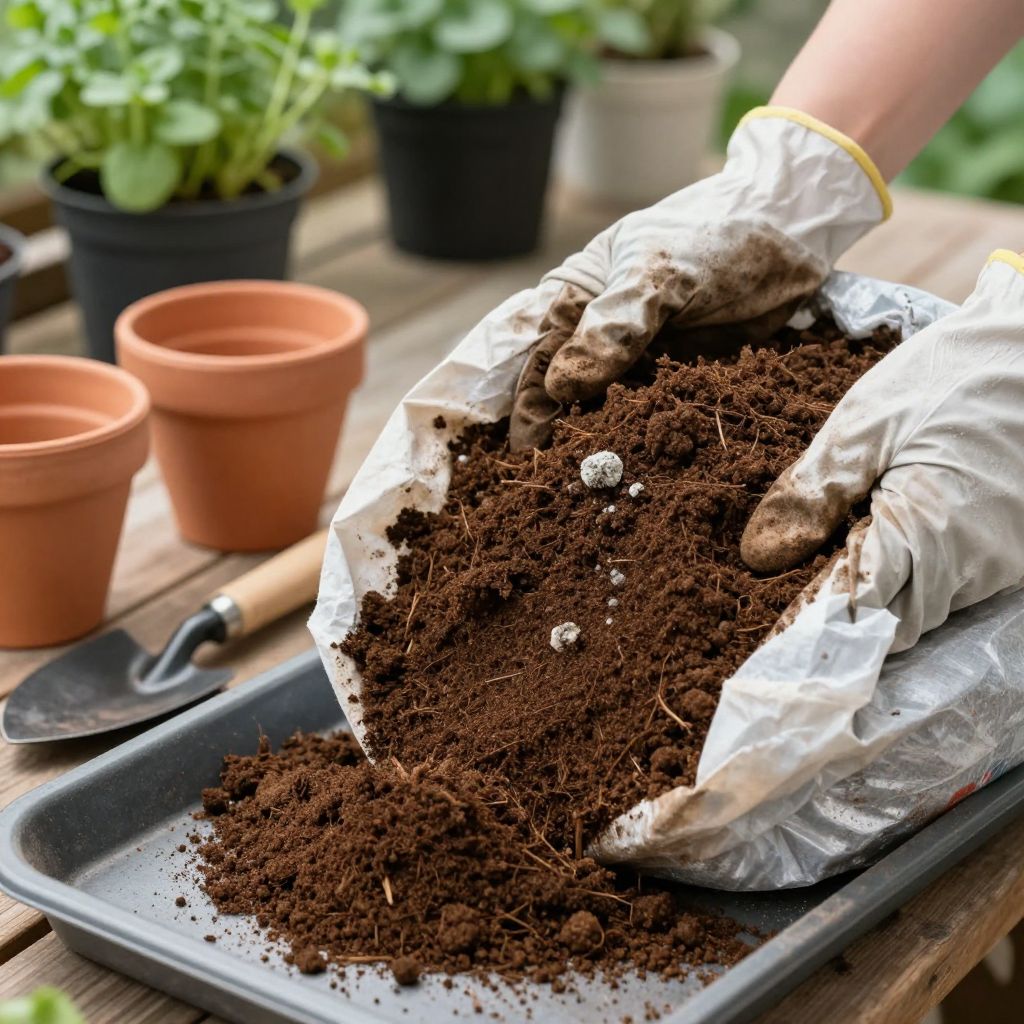
Does potting soil go bad? Yes, it can, but not always in the way gardeners expect. Potting mix may not “spoil” like food, yet it can lose structure, dry out unevenly, develop mold, or become contaminated over time.
If your container plants are struggling, old potting soil could be part of the problem. The good news is that you can often tell whether it is still usable, and in many cases you can refresh it instead of throwing it away.
Does potting soil go bad?
Potting soil can go bad by losing aeration, breaking down, compacting, or developing pests and disease organisms. Unopened bags may stay usable for years if stored dry and sealed, while opened or damp soil can decline much faster. The key question is not just age, but whether the mix still drains well and smells fresh.
How to tell if potting soil is still good
Before planting, check the texture, smell, and moisture level. Good potting mix should feel light and crumbly, not heavy, sour, or muddy. It should also drain and re-wet reasonably well after drying out.
Signs potting soil is still usable
- It has an earthy smell, not a rotten or sour odor.
- The mix feels loose and airy, with visible perlite, bark, or other coarse ingredients.
- Water soaks in and drains without pooling for a long time.
- There are no obvious insects, fungal growth, or slimy patches.
Signs potting soil has gone bad
- Strong sour, musty, or rotten smell
- Hard clumps that do not break apart easily
- Water beads on top or runs straight through without soaking in
- Visible mold, fungus gnats, larvae, or other pests
- White crust from salt buildup, especially in old reused mix
- Collapsed texture with very little air space
What makes potting soil go bad?
Potting soil usually declines because of storage conditions, age, and repeated use. Container mixes are designed to stay loose and well drained, but that structure changes over time.
Common causes
- Moisture exposure: Damp bags can grow mold or attract pests.
- Compaction: Repeated watering and root growth compress the mix.
- Breakdown of organic materials: Peat, compost, bark, and coco coir eventually decompose.
- Salt buildup: Fertilizer residues can accumulate in used potting soil.
- Contamination: Diseased plants can leave pathogens behind in reused mix.
- Heat and sun exposure: Poor storage can dry out or damage the mix structure.
How long does potting soil last?
Unused potting soil often lasts a long time if stored properly, but there is no single expiration date that fits every product. A sealed bag kept cool and dry may remain fine for years. Opened soil can still be usable later, but its quality depends on whether it stayed dry, clean, and pest-free.
General storage expectations
- Sealed and dry: Often usable for a long time
- Opened but well stored: Usually fine for the next season or two
- Wet, moldy, or infested: Best discarded or used only after careful evaluation
For reused potting soil, the useful life is shorter. After one growing cycle, the mix may still be salvageable, but you should expect to refresh it before planting again.
How to store potting soil so it lasts longer
Good storage makes a big difference. Keep potting mix dry, sealed, and out of direct weather to preserve its texture and reduce contamination.
- Close the bag tightly after each use, or transfer the soil to a lidded bin.
- Store it in a cool, dry place such as a shed, garage, or basement.
- Keep it off bare concrete if moisture is a problem.
- Do not leave bags open outdoors where rain can soak them.
- Label reused containers so you know what is fresh and what has already been used.
Avoid storing potting soil where it can get wet repeatedly. Even a little moisture can encourage mold, fungus gnats, and clumping.
Can you reuse old potting soil?
Yes, often you can, especially for non-sensitive plants. Reusing potting soil is common in home gardening, but it works best when the mix is still loose and has not held diseased plants.
Best candidates for reused mix
- Hardy annuals and many seasonal flowers
- Leafy greens in containers
- Established ornamentals that are not disease-prone
- Outdoor container plants where perfect sterility is less critical
When not to reuse it
- After plants with root rot, damping-off, or other soil-borne disease
- After a severe fungus gnat infestation
- When the mix smells sour or is visibly moldy
- When it has become so compacted that drainage is poor
How to refresh old potting soil
If the old mix is only mildly tired, you can often improve it instead of replacing it completely. The goal is to restore drainage, air space, and nutrient support.
Simple refresh method
- Empty the container and remove old roots, stems, and debris.
- Break up the soil and discard any slimy, smelly, or moldy portions.
- Add fresh potting mix to replace what was lost.
- Mix in a small amount of compost only if the plant tolerates richer soil and drainage will still be good.
- Top-dress with fresh mix if you do not want to disturb roots.
For many container gardens, replacing about one-third to one-half of the old mix with fresh potting soil is enough to improve performance. If the old mix is very depleted, start over with a new batch.
What to add back into tired mix
- Fresh potting soil: restores structure and consistency
- Perlite or pumice: improves aeration and drainage
- Compost: adds organic matter, but use sparingly in containers
- Slow-release fertilizer: only if the plant and product call for it
What to do with moldy or smelly potting soil
Mold on the surface is not always a disaster, but a sour smell is a warning sign. Surface mold can sometimes be scraped off and the mix dried, while badly contaminated soil is better discarded.
Minor surface mold
- Remove the moldy top layer.
- Let the mix dry more between waterings.
- Improve airflow around the plant.
- Check that the pot has drainage holes.
Badly contaminated soil
If the soil smells rotten, stays soggy, or has repeated mold growth, do not reuse it for healthy containers. Compost it only if your compost system reaches appropriate conditions and the material is not carrying serious disease.
Never reuse soil from diseased plants for the same type of plant without caution. Some pathogens can linger and reinfect new roots.
Potting soil problems that affect plant growth
Old or poor-quality potting soil can cause symptoms that look like watering mistakes or nutrient problems. Knowing the difference helps you fix the real issue.
Common plant symptoms linked to bad potting soil
- Wilting even when the plant has been watered
- Yellowing leaves from poor root function
- Slow growth because roots cannot breathe
- Algae or fungus on the soil surface from staying too wet
- Water running off the top instead of soaking in
How to troubleshoot
- Lift the pot to judge moisture and drainage.
- Inspect the soil texture with your fingers.
- Check roots if the plant is declining; healthy roots should usually be firm, not mushy.
- Repot if the mix is compacted, sour, or infested.
- Adjust watering to match the plant, pot size, light, and temperature.
Indoor vs. outdoor container soil
Indoor plants and outdoor containers face different conditions, so potting soil can fail in different ways. Indoor pots often stay wetter longer and may develop fungus gnats or mold. Outdoor containers dry faster, but rain can also compact or leach nutrients from the mix.
For indoor plants
- Use a light, well-draining mix suited to the plant type.
- Do not let pots sit in saucers of water.
- Watch for gnats if the soil stays damp for too long.
- Refresh the top layer if it crusts or grows algae.
For outdoor containers
- Protect stored bags from rain and freezing wet conditions.
- Expect faster drying in hot, windy, sunny weather.
- Replace or refresh mix more often if containers are heavily planted.
- Check drainage after storms, especially in decorative pots without large holes.
When to throw potting soil away
Sometimes the safest choice is to discard the mix. That is especially true when disease, pests, or severe breakdown make the soil unreliable.
Discard it if
- It smells rotten or sewage-like
- It is full of fungus gnats, larvae, or other persistent pests
- It came from a plant with root rot or other soil-borne disease
- It has become dense and lifeless, with almost no drainage
- It is contaminated with unknown debris or trash
If you are unsure, err on the side of caution for seedlings, herbs, and indoor plants. These are less forgiving of poor soil than many established outdoor plants.
Practical tips to keep potting soil in good shape
- Choose the right mix for the plant, such as cactus mix, seed-starting mix, or general potting mix.
- Use containers with drainage holes.
- Water only when the plant and weather conditions call for it.
- Empty and clean pots before reusing them.
- Store leftover mix in sealed containers away from moisture.
- Refresh old soil before planting heavy feeders or delicate seedlings.
In other words, potting soil does go bad, but often it can be revived if it is only tired, not contaminated. Check the smell, texture, and drainage first, then decide whether to refresh, reuse, or replace it before your next planting.
For more container gardening help, you may also want to read about how to choose the right potting mix and how to repot houseplants without damaging roots.