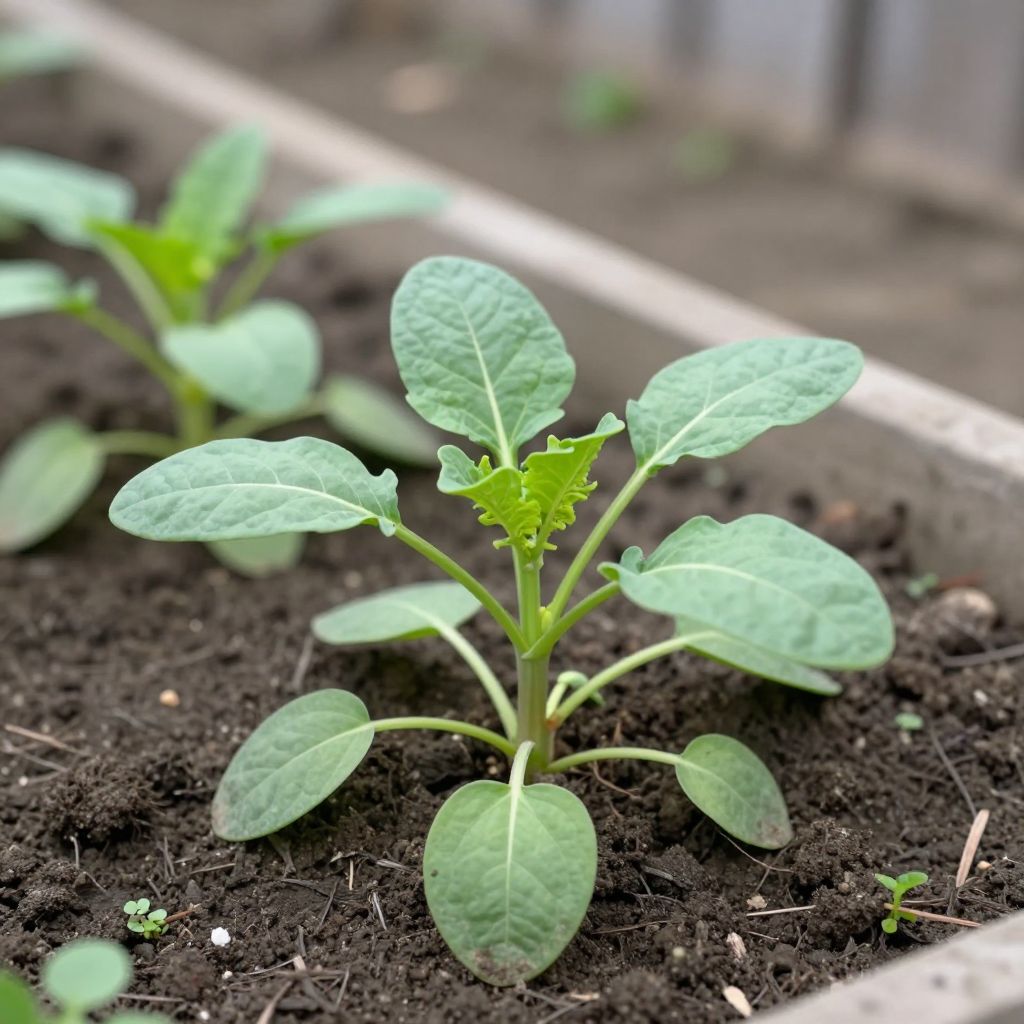
What does a mustard seed grow into? In the garden, it grows into a mustard plant: a fast-growing leafy annual in the Brassica family, usually grown for its tender greens, edible flowers, or seed harvest. Depending on the species and how long you let it grow, it can stay compact and leafy or become taller and start flowering and setting seed.
If you’re trying to identify a mustard seedling or decide how to grow one successfully, the key is to understand that “mustard” is not one single plant. Different mustard species and cultivars vary in leaf shape, flavor, and size, but they all prefer cool conditions, moisture, and reasonably fertile soil.
What Does a Mustard Seed Grow Into?
A mustard seed grows into a mustard plant, which is usually a quick-maturing annual with broad or frilled green leaves, small yellow flowers, and seed pods if allowed to mature. Garden mustard is commonly grown as a leafy vegetable, but some types are also grown as cover crops or for seed production.
How to Identify Mustard Seedlings and Young Plants
Mustard seedlings are often mistaken for other brassicas at first. Early leaves are usually smooth to slightly scalloped, soft green, and arranged in a rosette close to the soil before the plant begins to elongate.
What to look for
- Cotyledons are small, rounded seed leaves that appear first.
- True leaves often become slightly lobed, toothed, or wavy.
- Stems are tender and green when young.
- The plant grows quickly in cool weather and may bolt in heat.
If you are unsure whether a seedling is mustard, gently crush a leaf. Mustard family plants often have a distinctive sharp, peppery scent, especially once the true leaves develop.
Common mustard types you may grow
- Leaf mustard for greens
- Brown mustard and white/yellow mustard for seed
- Asian mustard greens such as mizuna or mustard spinach, which are grown similarly
Growing Conditions Mustard Plants Prefer
Mustard grows best in cool weather, full sun to partial shade, and soil that holds moisture without staying soggy. Rich, loose soil helps the roots establish quickly and supports fast leaf growth. In warmer climates, some afternoon shade can slow bolting and keep leaves tender longer.
Soil and drainage
Mustard prefers soil that drains well but does not dry out too fast. A loamy garden bed with added compost is ideal. Heavy clay can work if improved with organic matter and not walked on when wet.
Before planting, work in a few inches of compost if your soil is poor. A fertile, evenly moist bed usually produces the best leaves.
Sunlight and temperature
- Best growth usually happens in cool spring or fall weather.
- Full sun is fine in mild climates.
- In hot regions, partial shade can improve leaf quality.
- Heat stress often causes early flowering, called bolting.
How to Plant Mustard Seed
Mustard is one of the easiest vegetables to start from seed. You can sow it directly in the garden or start it in containers, as long as the roots have room and the soil stays lightly moist during germination.
- Prepare a bed with fine, crumbly soil and compost mixed in.
- Sow seeds about 1/4 to 1/2 inch deep.
- Space seeds or thin seedlings so plants have room to develop leafy growth.
- Water gently after sowing to settle the soil.
- Keep the surface evenly moist until seedlings emerge.
For baby greens, you can sow more densely and harvest young. For larger plants, give them more space so leaves can size up without crowding.
Indoor vs. outdoor starting
Outdoors is usually simplest because mustard germinates and grows quickly. Indoors can work if you want an early start, but seedlings need bright light and careful transplanting to avoid weak, leggy growth.
- Direct sowing is best for most home gardeners.
- Transplants should be moved carefully before roots become crowded.
- Use clean trays and sterile seed-starting mix indoors to reduce disease risk.
Watering, Feeding, and Ongoing Care
Mustard grows fast, so consistent moisture matters. Dry spells can make leaves tough and bitter, while waterlogged soil can stunt growth or encourage root problems. The goal is steady, even moisture rather than extremes.
Watering tips
- Water at the soil level when possible.
- Keep the top few inches of soil from drying out completely.
- Mulch lightly around plants to help retain moisture and reduce weeds.
If your soil is already rich, mustard may not need much feeding. Excess fertilizer, especially nitrogen-heavy feeding, can make plants lush but more prone to soft growth and pest problems. Compost at planting time is often enough for many gardens.
Pruning and harvesting leaves
You do not usually prune mustard in the traditional sense. Instead, you harvest outer leaves or cut the plant for baby greens. Regular picking encourages continued leaf production, as long as the weather remains cool enough.
- Harvest outer leaves when they are young and tender.
- Leave the center growing point intact if you want repeated harvests.
- Cut whole plants at the base for a one-time harvest of baby greens.
When Does Mustard Flower and Set Seed?
If left in the ground long enough, mustard grows taller, sends up a flowering stalk, and produces small yellow flowers followed by seed pods. This stage is useful if you want to save seed, but it usually means the leaves become stronger in flavor and less tender.
Bolting and what causes it
Bolting happens when mustard shifts from leaf growth to flowering, often because of heat, long days, or stress from drought. Once bolting starts, leaf quality declines quickly.
To delay bolting:
- Plant in cooler seasons.
- Keep soil evenly moist.
- Provide afternoon shade in hot weather.
- Harvest often while plants are young.
Common Pests and Diseases
Like other brassicas, mustard can attract a few familiar garden pests. Most problems are easier to manage when you catch them early and keep plants growing steadily rather than stressed.
Pests to watch for
- Flea beetles, which make tiny holes in leaves
- Aphids, especially on tender new growth
- Cabbage worms or loopers, which chew irregular holes
Practical controls include row covers, hand-picking, strong water sprays for aphids, and removing badly damaged leaves. Healthy, vigorous plants usually recover better than stressed ones.
Diseases and growing problems
- Downy mildew can appear in cool, damp conditions with poor airflow.
- Root rot may occur in waterlogged soil.
- Leaf spot can spread if foliage stays wet too long.
To reduce disease pressure, avoid overcrowding, water early in the day, and rotate mustard away from other brassicas if possible. Good airflow is especially important in humid climates.
Harvesting Mustard for Greens or Seed
You can harvest mustard at several stages depending on your goal. Young leaves are mildest, mature leaves are stronger, and seed harvest requires patience until the pods dry on the plant.
For greens
Pick leaves when they are large enough to use but still tender. Smaller leaves are usually milder, while older leaves can become more pungent and fibrous.
For seed
Allow the plant to flower and form pods. Harvest when pods begin to dry, but before they split open and scatter seed. Dry the pods further in a paper bag or on a tray in a well-ventilated place.
Important: If you want tender leaves, harvest before flowering. If you want seed, let the plant mature fully and accept that the foliage will become less useful for eating.
Can You Grow Mustard in Containers?
Yes. Mustard does well in pots, window boxes, and other containers as long as the container is deep enough for roots and the mix stays evenly moist. Container growing is a good option if your garden soil is poor or if you want easy access to fresh greens.
- Choose a container with drainage holes.
- Use a high-quality potting mix with compost blended in.
- Water more often than in-ground plants, since containers dry faster.
- Give the pot enough sun, but protect it from intense heat if needed.
Common Mistakes to Avoid
Most mustard-growing problems come from rushing the plant or letting it become stressed. A few simple adjustments can make a big difference in leaf quality and harvest length.
- Do not let seedlings dry out right after sowing.
- Do not overcrowd plants if you want full-sized leaves.
- Do not ignore heat stress, which speeds bolting.
- Do not over-fertilize, especially with strong nitrogen feeds.
- Do not leave mature plants too long if you want tender greens.
Conclusion
So, what does a mustard seed grow into? It grows into a quick, useful mustard plant that can give you leafy greens, flowers, and seed if you let it mature. For the best results, grow it in cool weather, keep the soil evenly moist, and harvest early for the most tender leaves. If you want to grow your own, start a small patch or container this season and watch how fast it develops.
If you’d like to keep learning about brassicas and leafy crops, consider reading more about how to grow lettuce and growing kale in containers.