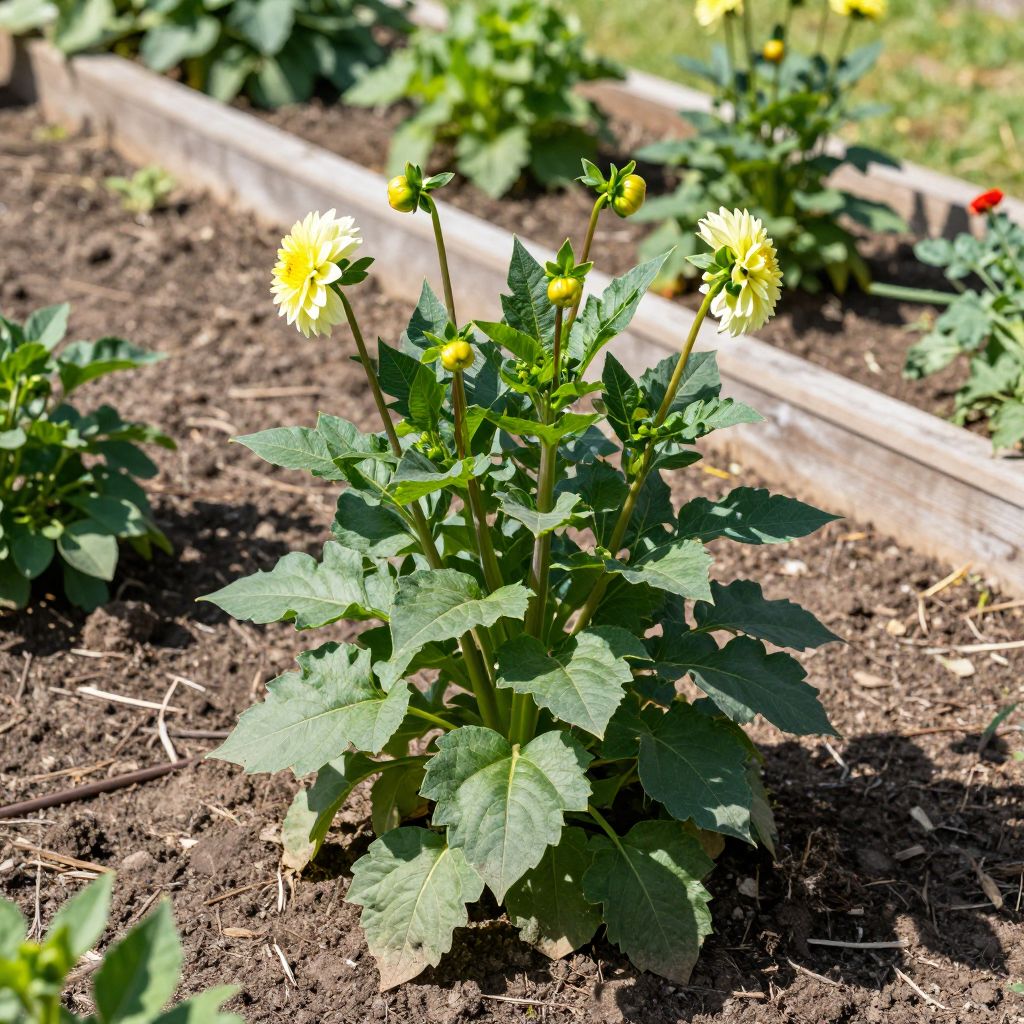
Do dahlias need full sun? In most gardens, yes—dahlias bloom best with plenty of direct light. They can tolerate a little light shade, especially in very hot climates, but too much shade usually means fewer flowers, lankier stems, and weaker growth.
If you want strong plants and lots of blooms, the key is balancing sunlight with good soil, steady moisture, and support. Here’s how much sun dahlias really need, what happens in partial shade, and how to help them perform well in your garden.
Do dahlias need full sun?
Dahlias grow and flower best in full sun, ideally 6 to 8 hours of direct light per day. In cooler regions, more sun usually means more blooms. In very hot climates, dahlias may benefit from light afternoon shade to reduce stress and flower scorch.
How much sun dahlias need for the best blooms
Sunlight is one of the biggest factors affecting dahlia performance. The more direct sun they get, the more energy they have for producing buds, sturdy stems, and larger flowers.
Ideal light conditions
- 6 to 8 hours of direct sun is the sweet spot for most dahlias.
- Morning sun is especially helpful because it dries dew quickly and reduces disease pressure.
- In hot inland or desert-like climates, some afternoon shade can prevent heat stress.
What happens in too little sun?
When dahlias get less than about 5 hours of direct light, they often become tall and floppy, with fewer buds and smaller blooms. You may still get flowers, but the plant usually looks less full and needs more staking.
What happens in too much heat and sun?
Full sun is usually fine, but extreme heat can cause wilting, leaf scorch, and shorter bloom periods. In those conditions, dahlias often do better with bright morning sun and filtered shade during the hottest part of the afternoon.
Choosing the right planting spot
Selecting the right site matters as much as sunlight. Dahlias need a place that is bright, open, and sheltered from strong wind.
- Pick an open bed away from trees, hedges, or tall shrubs that cast shade.
- Avoid spots where water pools after rain.
- Choose a location with good air movement to help prevent mildew and rot.
- If possible, plant where you can easily reach the stems for staking, pinching, and deadheading.
If your garden has mixed light, observe the bed at different times of day before planting. A site that looks sunny in the morning may be shaded by midday if nearby structures or plants block the light.
Can dahlias grow in partial shade?
Yes, but with limits. Dahlias can survive in partial shade, especially in warm climates, but flowering is usually reduced. If you only have a partly shaded space, aim for the brightest location available and expect fewer blooms than in full sun.
When partial shade can help
- In very hot summer regions, afternoon shade can protect flowers and foliage.
- Young transplants may appreciate a little shelter while establishing.
- Containers can be moved to follow the sun if needed.
When partial shade is a problem
Too much shade often causes weak stems, delayed flowering, and more susceptibility to powdery mildew because leaves stay damp longer. If your dahlias are in shade for most of the day, consider moving them or thinning nearby plants.
Sunlight, soil, and water all work together
Even perfect sunlight won’t make up for poor soil or bad drainage. Dahlias need rich, well-drained soil and consistent moisture to make the most of the light they receive.
Soil conditions dahlias prefer
- Loose, fertile soil that drains well
- Organic matter such as compost worked into the bed
- Neutral to slightly acidic soil is generally suitable
Heavy clay can hold too much water around the tubers, while very sandy soil may dry out too fast. Improving the bed with compost helps both drainage and moisture retention.
Watering in sunny sites
Dahlias in full sun usually need more careful watering than those in shade, especially during hot spells. Water deeply so moisture reaches the root zone, then let the top layer of soil dry slightly before watering again.
Try to water at the base of the plant rather than overhead. Wet foliage can encourage fungal problems, especially when warm days are followed by humid nights.
How to tell if your dahlias are getting enough sun
Your plants will give you clues. Healthy dahlias in good light usually grow compactly, set buds steadily, and produce strong stems that can support blooms.
Signs of too little sun
- Long, weak stems that lean toward the light
- Few buds or delayed flowering
- Smaller blooms than expected
- Thin foliage and sparse growth
Signs of too much heat stress
- Leaves drooping in the afternoon, even when soil is moist
- Scorched leaf edges
- Flowers fading quickly in extreme heat
- Plants stopping bloom production during heat waves
If the plant looks stressed, check more than the sun exposure. Compacted soil, underwatering, overcrowding, or poor airflow can all mimic sunlight problems.
Growing dahlias in containers
Containers can work very well for dahlias, especially if your garden light changes through the season. Pots make it easier to place plants in the sunniest spot and move them if summer heat becomes intense.
Container light tips
- Place pots where they receive at least 6 hours of direct sun.
- Use a large container so roots have room and the soil does not dry out too fast.
- Rotate pots every week or so if one side receives more light than the other.
Container-grown dahlias dry out faster than in-ground plants, so sun exposure and watering need to be balanced carefully. In very hot weather, a pot in full sun may need extra attention to prevent wilting.
How to help dahlias bloom better in full sun
Sunlight is only part of the bloom equation. A few simple care habits can make a big difference in flower production.
1. Pinch young plants
When plants are young and about 12 to 16 inches tall, pinching the growing tip can encourage branching. More branches often mean more flowering stems later in the season.
2. Stake tall varieties early
Many dahlias need support, especially in windy or very sunny sites where stems can grow quickly. Install stakes or cages early so roots are not disturbed later.
3. Deadhead regularly
Remove spent blooms to encourage more flowers. Cut back to a strong side shoot or leaf node rather than just pulling off the flower head.
4. Feed lightly and wisely
Too much nitrogen can produce lush leaves but fewer flowers. Use compost at planting time and, if needed, a balanced approach later in the season based on your soil and plant growth.
Common mistakes when growing dahlias in sun
Many dahlia problems come from either too little light or assuming full sun alone is enough.
- Planting in shade from nearby trees or fences and expecting full bloom.
- Overcrowding plants, which reduces airflow and light penetration.
- Watering too lightly, so roots stay near the surface and plants wilt in heat.
- Using heavy, poorly drained soil, which can rot tubers.
- Letting tall varieties flop because they were not staked early.
If your dahlias are underperforming, first check the amount of direct sun they receive. Then look at drainage, spacing, and watering before assuming the plant itself is the problem.
Pests and diseases that can be worse in the wrong light
Light levels affect plant health, which in turn affects pest and disease pressure. Weak, shaded dahlias often have more trouble with fungal issues because the foliage dries slowly.
Watch for these common issues
- Powdery mildew, especially in crowded or shaded plantings
- Slugs and snails, which may be more active in damp, shady beds
- Aphids on soft new growth
- Botrytis and other rots in overly wet conditions
Good spacing, morning sun, and watering at soil level all help reduce these problems. Remove damaged leaves promptly and keep the planting area tidy.
Should you move dahlias if they are not getting enough sun?
If your dahlias are clearly struggling in shade, moving them is often worth it. Dahlias respond well when given a brighter, better-drained spot, especially if you catch the issue early in the season.
Before moving them
- Choose a sunnier site with at least 6 hours of direct light.
- Prepare the new bed with compost and loose soil.
- Water the plant well before digging.
- Lift carefully and replant at the same depth.
- Water again after transplanting and monitor closely for a week or two.
In very hot weather, transplanting can be stressful, so move plants during cooler conditions if possible and keep them evenly moist while they settle in.
Conclusion: the best sun strategy for dahlias
So, do dahlias need full sun? Yes—most dahlias do best with 6 to 8 hours of direct sunlight, but a little afternoon shade can help in very hot climates. Give them bright light, rich well-drained soil, and steady care, and they will reward you with far better flowering.
If you are planning a dahlia bed, start by watching your garden light through the day and choosing the brightest open spot you have. For more practical flower-growing advice, look for related guides on staking tall garden flowers and improving clay soil with compost.