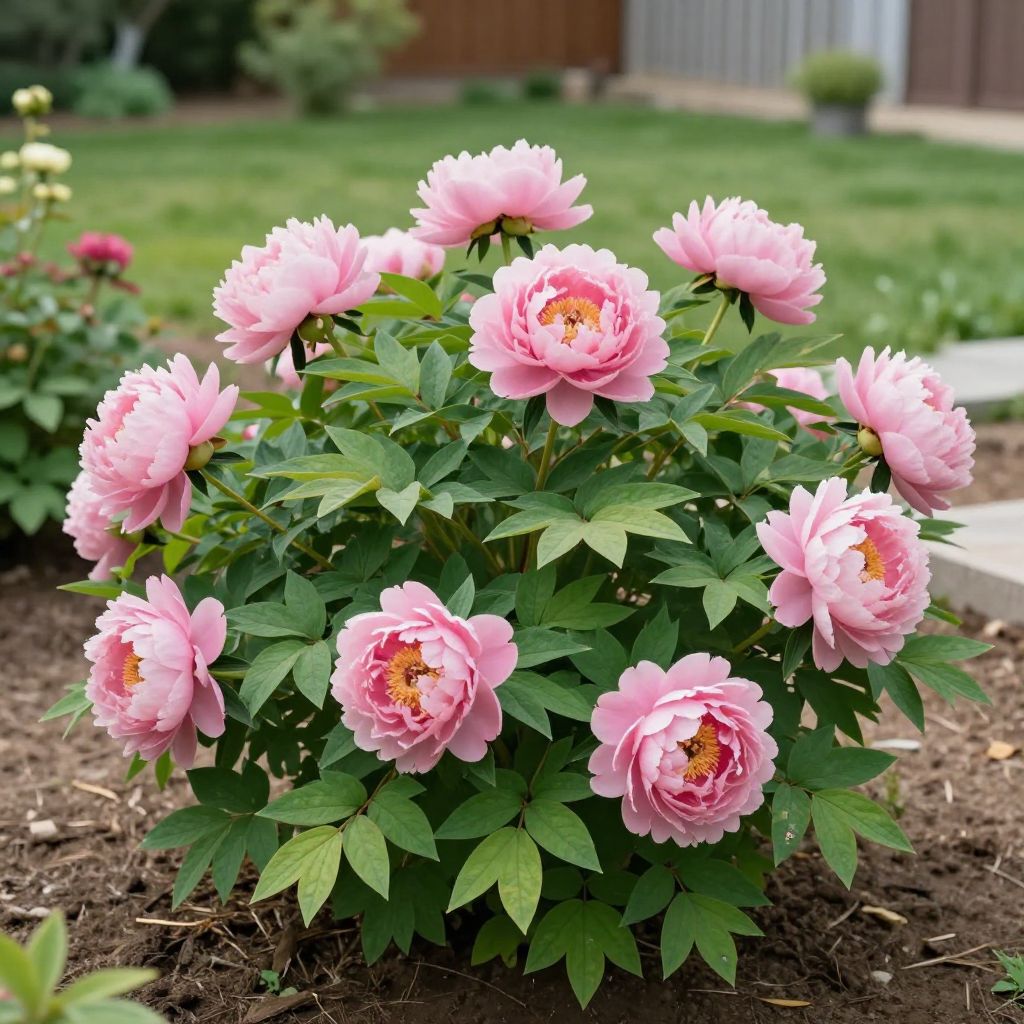
Are peonies deer resistant? In many gardens, yes—peonies are among the more deer-resistant perennials, especially once established. Their tough stems, thick foliage, and bitter-tasting compounds make them less appealing than many other ornamentals.
That said, “deer resistant” does not mean “deer proof.” Hungry deer, young shoots, or gardens under heavy browsing pressure can still suffer damage, so it helps to know when peonies are most vulnerable and how to protect them.
Are peonies deer resistant?
Yes, peonies are generally considered deer resistant, not deer proof. Deer usually avoid mature peonies because the foliage and buds are less palatable than many other plants, but they may still nibble tender spring growth or flowers if food is scarce. In high-pressure areas, protection is still wise.
Why deer usually leave peonies alone
Peonies are not a favorite deer food because they have a texture and flavor deer tend to dislike. The plants are also sturdy and upright, which makes them less tempting than soft, lush, low-growing plants.
What makes peonies less attractive
- Thick, leathery foliage that is less tender than many ornamentals.
- Strong stems that are not as easy to browse as soft shoots.
- Less appealing taste compared with highly favored plants like hostas or tulips.
- Early-season growth that becomes less vulnerable as stems mature.
Even so, deer feeding habits change with the season, weather, and local food supply. In drought, winter, or overbrowsed landscapes, deer may sample plants they normally ignore.
When peonies are most at risk from deer
Peonies are most likely to be damaged when they are young, newly planted, or just emerging in spring. Tender shoots are easier for deer to browse, and flower buds can be clipped off before bloom if deer are hungry enough.
Watch these vulnerable stages
- New spring shoots as they first break the soil.
- Young plants that have not built up strong root systems.
- Bud stage if deer are feeding heavily in your area.
- Late season in gardens with limited natural forage.
If deer pressure is light, mature peonies may go untouched for years. If pressure is heavy, you may need physical protection every season, especially in spring.
How to grow peonies so they stay healthy and resilient
Healthy peonies recover better from minor browsing and are less likely to struggle after stress. Give them the right site from the start, and they will reward you with long-lived growth and reliable blooms.
Best growing conditions
- Sunlight: Full sun is best in most climates, though light afternoon shade can help in very hot regions.
- Soil: Fertile, well-drained soil is ideal.
- Drainage: Avoid soggy sites, which can rot the roots.
- Air circulation: Good spacing helps reduce disease problems.
Peonies dislike being planted too deeply. If the eyes are buried too far below the soil surface, flowering can be poor. In general, shallow planting is one of the most important peony care details to get right.
Planting tips that support strong growth
- Choose a site with at least 6 hours of sun if possible.
- Work compost into the soil to improve structure, especially in heavy clay or sandy ground.
- Set the peony so the eyes are only about 1 to 2 inches below the soil surface in many gardens.
- Water well after planting to settle the soil.
- Mulch lightly, but keep mulch away from the crown.
If your soil drains poorly, raise the planting area or improve drainage before planting. Peonies do not like sitting in wet soil, and stressed plants are more likely to decline over time.
How to protect peonies from deer
Because deer resistance varies by location, the safest approach is to combine plant choice with protection. A single tactic may help, but a layered strategy usually works best.
Practical deer protection methods
- Fencing: The most reliable option, especially in high-deer areas.
- Row covers or netting: Useful for young plants or during spring browse pressure.
- Repellents: Can help, but must be reapplied and rotated as directed by the product label.
- Motion-activated deterrents: May reduce browsing in some gardens.
- Companion planting: Can help visually, but should not be your only defense.
For small gardens, a low fence around a bed may be enough. In areas with heavy deer traffic, taller fencing is usually more dependable than sprays alone.
Tips for using repellents effectively
- Apply before deer start browsing, not after damage appears.
- Reapply after heavy rain if the label says to do so.
- Alternate repellents occasionally so deer do not get used to one scent.
- Focus on new growth, buds, and the outer edge of the planting.
Repellents work best as part of a routine, not as a one-time fix. If deer are very hungry, even strong repellents may only reduce damage rather than stop it completely.
Common peony problems that are not deer damage
Sometimes gardeners blame deer when another issue is actually responsible. Knowing the difference helps you fix the real problem faster.
Signs of deer browsing
- Stems or shoots are cleanly clipped or torn.
- Leaves are removed unevenly from the top or outer edges.
- Flower buds disappear overnight.
- Tracks or droppings are present nearby.
Other issues that can mimic browsing
- Peony botrytis can cause blackened, collapsed stems or buds.
- Spring frost may blacken tender shoots.
- Slug or insect feeding usually leaves holes or ragged damage rather than clipped stems.
- Mechanical damage from pets, mowers, or garden tools can break stems.
If you are unsure, inspect the plant closely. Deer damage tends to be cleaner and higher up, while disease often starts with spotting, soft tissue, or rot.
Seasonal peony care that supports bloom and longevity
Good seasonal care helps peonies stay vigorous, which matters if deer browse them occasionally. Strong plants bounce back better and are less likely to skip bloom after stress.
Spring care
- Watch for deer as shoots emerge.
- Remove winter mulch gradually once growth begins.
- Stake tall varieties if needed before stems flop.
- Check for botrytis in cool, wet weather.
Summer care
- Water deeply during dry spells, especially for newly planted peonies.
- Avoid overwatering, which can weaken roots.
- Deadhead spent flowers if you do not want seed formation.
Fall care
- Cut back foliage after frost if disease has been an issue.
- Clean up fallen leaves to reduce overwintering disease problems.
- Top-dress lightly with compost if the soil needs improvement.
Do not cut peonies back too early just because the flowers are finished. The foliage feeds the roots for next year’s bloom, so let it stay in place until it naturally declines or disease makes cleanup necessary.
Can you propagate peonies if deer have damaged them?
Yes, but only healthy, established clumps are worth dividing. Peonies are long-lived and dislike frequent disturbance, so propagation is usually done sparingly and with care.
Simple propagation guidance
- Divide only mature plants that have become crowded or need moving.
- Use a sharp, clean spade or knife.
- Make sure each division has several eyes and healthy roots.
- Replant at the correct shallow depth.
If deer have only nibbled the top growth, the plant will often recover on its own. If a plant is repeatedly browsed and weakened, improving protection is usually more effective than trying to replace it right away.
Best companion planting and landscape placement
Placement can make peonies easier to protect and enjoy. Put them where you can see early deer activity and where the plants receive the sunlight they need.
Helpful placement ideas
- Plant peonies near the house, patio, or a visible walkway.
- Use them in mixed borders with other deer-resistant plants.
- Avoid planting them at the edge of wooded areas if deer pressure is high.
- Keep them away from dense cover that deer use for shelter.
Good visibility helps you notice browsing early, which makes protection more effective. It also makes it easier to catch disease, drought stress, or bud damage before the plant declines.
What to do if deer are already eating your peonies
If deer have started browsing your peonies, act quickly. The sooner you protect new growth, the more likely the plant is to recover and bloom normally later in the season.
Quick response checklist
- Remove broken stems cleanly with clean pruners.
- Check whether the crown is still intact and firm.
- Apply a deer repellent according to label directions.
- Add temporary fencing or netting around the plant.
- Monitor new growth for repeat damage.
If the plant has lost most of its foliage, avoid overfertilizing in an attempt to force recovery. Give it steady care, adequate moisture, and protection from further browsing instead.
Bottom line: are peonies deer resistant?
Peonies are generally deer resistant, but not immune to browsing. In many landscapes they are a smart choice, especially if you want a long-lived perennial that deer usually ignore.
For the best results, plant peonies in full sun, give them well-drained soil, and protect young spring growth if deer are common in your area. If you want to plan a broader deer-smart garden, you may also find it helpful to read more about what to feed deer so you can better understand their feeding habits and pressure on landscape plants.