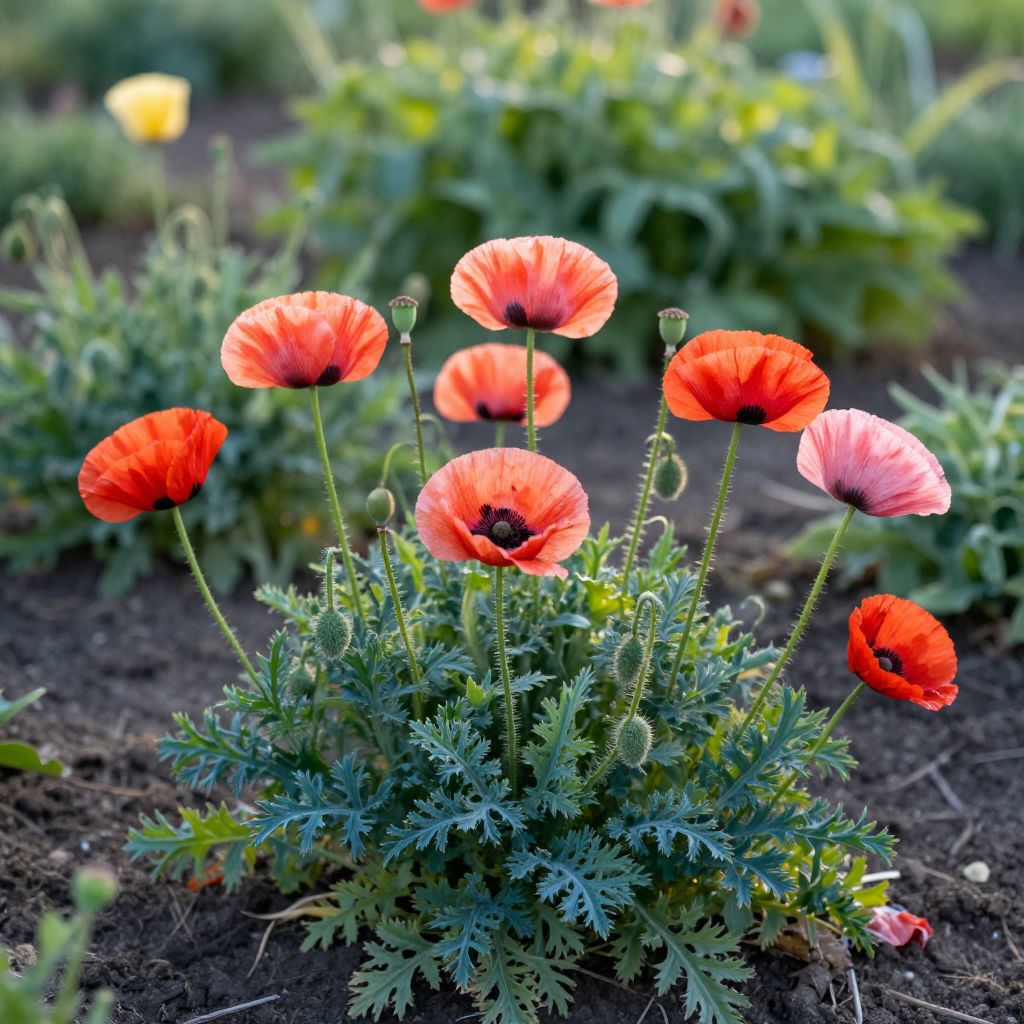
Wondering when do poppies bloom in your garden? The short answer is that most poppies flower in late spring to early summer, but the exact timing depends on the type of poppy, your climate, and when you sowed the seed. Some annual poppies bloom quickly from seed, while perennial types may wait until their second season.
If you want a longer display, the key is choosing the right poppy and planting it at the right time. With good sun, well-drained soil, and careful watering, you can enjoy those papery blooms for weeks rather than days.
When do poppies bloom?
Poppies usually bloom in late spring through early summer, though some types flower earlier or later depending on the variety and local weather. Annual poppies often bloom within 6 to 10 weeks of sowing, while perennial poppies may bloom in their established season each year, often after spring growth has matured.
What affects poppy bloom time?
Several factors influence when poppies bloom, and the most important one is the type of poppy you are growing. Climate, sowing time, temperature, and sunlight all affect how quickly plants move from leafy growth to flowering.
1. The type of poppy
- Annual poppies, such as corn poppy (Papaver rhoeas) and Shirley poppy, often bloom the same season they are sown.
- Perennial poppies, such as Oriental poppy (Papaver orientale), usually bloom in late spring and may die back after flowering.
- California poppy (Eschscholzia californica) often blooms from spring into summer and may repeat bloom in mild weather.
2. Your climate and season
Cool spring weather often delays flowering a little, while warm, bright conditions can speed it up. In hot climates, some poppies finish blooming sooner, and in cooler regions they may hold flowers longer into summer.
3. When you sow the seed
Poppies generally dislike transplanting, so direct sowing is usually best. Seeds sown in fall may overwinter and bloom earlier the next spring, while spring-sown seeds bloom later in the season if temperatures are suitable.
How to grow poppies for the best bloom
Poppies are not difficult, but they need the right conditions. If you give them full sun, lean soil, and good drainage, you are much more likely to get strong plants and timely flowers.
Choose the right site
- Sunlight: Full sun is best for most poppies, meaning at least 6 hours of direct light daily.
- Drainage: Soil should drain well. Poppies struggle in soggy ground.
- Airflow: Good spacing helps reduce fungal problems.
Prepare the soil lightly
Poppies prefer soil that is not overly rich. Too much compost or fertilizer can produce lots of leaves and fewer blooms. If your soil is heavy clay, improve drainage with grit, sand, or organic matter worked in lightly, but avoid making the soil too fertile.
Sow seeds correctly
- Sow seeds directly where you want them to grow.
- Scatter them on the surface or cover very lightly, since many poppy seeds need light to germinate.
- Keep the area evenly moist until seedlings emerge, but do not soak the soil.
- Thin seedlings gently so plants have room to mature.
Because poppy seedlings are delicate, thinning is often better than transplanting. If you must move them, do it very young and handle the roots carefully.
Seasonal bloom timing by poppy type
Knowing the likely bloom season helps you plan your garden and avoid disappointment. Here is a practical overview of common poppies and when they usually flower.
Annual poppies
Annual poppies often bloom in late spring or early summer when sown in cool weather. In mild climates, fall-sown annuals may bloom earlier in spring and produce a longer display.
Perennial poppies
Perennial poppies typically bloom in late spring. After flowering, many go dormant or die back in summer heat, so do not be alarmed if the foliage fades after the bloom period.
California poppies
California poppies often begin blooming in spring and can continue into summer. In cooler or coastal gardens, they may keep flowering for a long stretch if spent blooms are removed and conditions stay favorable.
How to encourage more flowers
If your poppies are leafy but not blooming, the issue is usually too much shade, too much fertilizer, or crowded plants. A few simple adjustments can make a big difference.
- Give them more sun if possible.
- Reduce rich feeding if the soil is very fertile.
- Thin crowded seedlings so each plant has space.
- Water deeply but infrequently once plants are established.
- Remove spent flowers on repeat-blooming types to encourage more buds.
For many poppies, especially annuals, a little stress from lean soil and moderate watering actually supports flowering better than pampering them.
Watering and feeding during bud and bloom
Poppies do best with moderate care. Overwatering is a common reason for weak growth, root problems, and fewer flowers.
Watering tips
- Water new seedlings gently to keep the soil lightly moist.
- Once established, water only when the top layer of soil dries out.
- Avoid frequent shallow watering, which encourages weak roots.
- Do not let containers sit in water, since poppies hate wet feet.
Fertilizer advice
Most poppies need little or no fertilizer. If your soil is poor, a light application of balanced compost at planting time may be enough. Avoid high-nitrogen feeding, which can delay blooming and encourage floppy growth.
Common problems that delay poppy bloom
If your poppies are not blooming when expected, check the growing conditions first. Most issues are cultural rather than serious diseases.
Too much shade
Poppies grown in partial shade may survive, but they often bloom poorly. Move them to a brighter spot next season if flowering is weak.
Rich or wet soil
Excess fertility and poor drainage can lead to lush foliage and few flowers. Improve drainage and avoid heavy feeding.
Transplant shock
Many poppies resent root disturbance. If seedlings were moved late, they may pause or stall before blooming.
Heat stress
Some poppies finish blooming quickly in hot weather. Mulch lightly around the base to keep roots cooler, but keep mulch away from the crown and avoid smothering seedlings.
Pruning, deadheading, and maintenance
Maintenance depends on the type of poppy you grow. Some benefit from deadheading, while others are best left alone.
Deadheading
- Remove faded flowers on repeat-blooming poppies to encourage more buds.
- Leave some seedheads if you want self-sowing or seed collection.
- On many annual poppies, allowing some seed to ripen helps them return naturally the next year.
Cutting back
Perennial poppies may be cut back after flowering once the foliage begins to decline. This keeps the bed tidier, but do not remove healthy leaves too early, since they help feed the roots for next year.
Pests and diseases to watch for
Poppies are usually fairly trouble-free, but a few problems can affect bloom quality or plant health.
- Aphids may cluster on buds and new growth. A strong spray of water can often knock them off.
- Powdery mildew can appear in crowded, humid conditions. Improve spacing and airflow.
- Root rot is more likely in wet soil. Better drainage is the main fix.
- Slugs and snails may damage young seedlings. Use barriers or hand-pick them in damp weather.
Healthy, well-spaced plants in full sun are much less likely to suffer serious pest or disease issues.
Can you grow poppies in containers?
Yes, but container-grown poppies need excellent drainage and a pot deep enough for their roots. Choose a container with drainage holes and use a free-draining potting mix. Keep the pot in full sun and water carefully, since containers dry out faster than garden beds.
Container poppies may bloom a little sooner or later than in-ground plants depending on temperature and root space. If the pot stays too wet, flowering can suffer.
Harvesting seeds and saving self-sown plants
If you want poppies to return, let some flowers form seedheads. Once the pods dry and rattle, harvest them carefully or allow them to open and scatter seed naturally. This is especially useful for annual poppies that self-sow readily in suitable conditions.
For seed saving, wait until the pods are dry and brown, then collect them before they split. Store seeds in a cool, dry place.
Quick bloom checklist
- Choose a sunny site.
- Use well-drained, not overly rich soil.
- Direct sow when conditions are cool enough for germination.
- Thin seedlings so they are not crowded.
- Water lightly and avoid soggy soil.
- Deadhead if your poppy type reblooms.
Conclusion
So, when do poppies bloom? Most flower in late spring to early summer, but the exact timing depends on the variety and your local growing conditions. If you want the best display, give them sun, drainage, and a light touch with watering and feeding.
Next, check the type of poppy you are growing and adjust your sowing time to your climate. For more seasonal planting help, you may also want to read about growing poppies in the garden and choosing the right planting time for flowers.