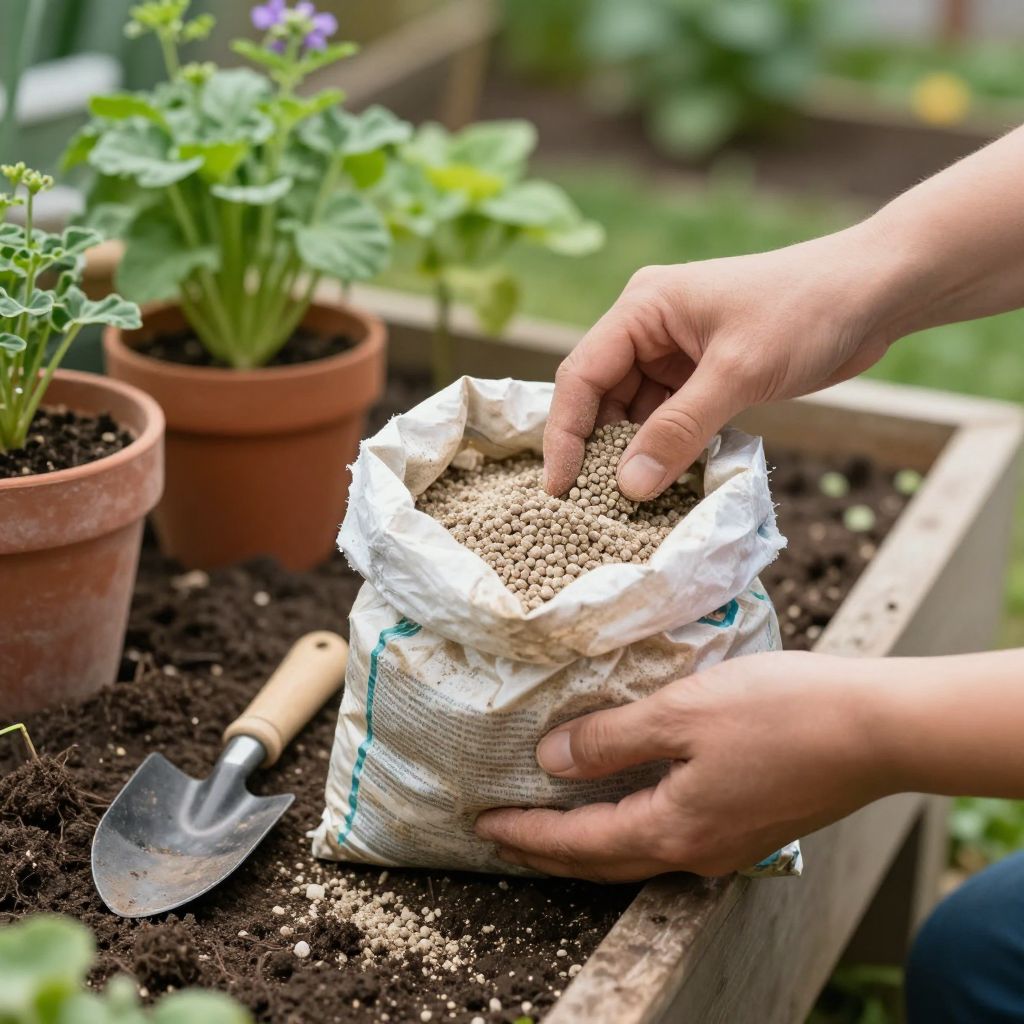
Does fertilizer go bad? Yes, it can. Most fertilizers stay usable for a long time if they’re stored correctly, but moisture, heat, air, and contamination can make them clump, weaken, or lose effectiveness.
The good news is that many fertilizers are still safe to use even when they’re old. The key is knowing how to tell the difference between fertilizer that’s simply aged and fertilizer that’s damaged, unsafe, or no longer worth applying.
Does fertilizer go bad?
Fertilizer can degrade over time, but it usually doesn’t “spoil” the way food does. Dry fertilizers often remain effective for years if kept sealed, cool, and dry, while liquid fertilizers are more likely to separate, crystallize, or lose strength. The biggest risks are moisture, contamination, and poor storage.
How long different fertilizers last
Different fertilizer types age in different ways, so the answer depends on what you have. Check the product label first, then inspect the material itself.
Granular and dry fertilizers
Granular fertilizers, pelleted products, and many powdered blends usually have the longest shelf life. If they stay dry, they may remain usable for several seasons.
- Best stored: in the original bag or a tightly sealed container
- Main enemy: humidity and water intrusion
- Common issue: clumping or hardening
Liquid fertilizers
Liquid fertilizers and concentrates tend to have a shorter useful life than dry products. They can separate, thicken, or form crystals, especially if stored in freezing or very hot conditions.
- Best stored: upright, tightly closed, and away from temperature swings
- Main enemy: freezing, overheating, and evaporation
- Common issue: sediment or layered separation
Organic fertilizers
Organic fertilizers such as composted meals, manures, or blends with natural ingredients can also age well if kept dry, but they may lose aroma, attract pests, or develop mold if stored poorly. Their nutrient content can be less uniform than synthetic products, so condition matters.
Signs fertilizer has gone bad
If you’re wondering whether fertilizer is still usable, look for changes in texture, smell, and appearance. Some changes are harmless; others mean the product should be discarded.
- Hard clumps: often caused by moisture exposure in dry fertilizer
- Musty or sour odor: may indicate moisture damage or contamination
- Visible mold: a sign the product has absorbed water and should be handled cautiously
- Separated liquid layers: may mean the product needs thorough mixing or may no longer be stable
- Rusty container or torn bag: can point to poor storage conditions
- Changed color or texture: not always a problem, but it deserves a closer look
When clumping is okay
Some granular fertilizers clump slightly and still work fine once broken up. If the product is otherwise dry, free-flowing after crumbling, and has no odd smell, it may still be usable.
When to throw it out
Discard fertilizer if it has been soaked, is heavily moldy, smells strongly rancid, or has turned into a solid mass that won’t break apart. If a liquid fertilizer has changed dramatically in texture or smells off, it’s safer to replace it.
How to store fertilizer so it lasts longer
Good storage is the best way to prevent fertilizer from going bad. The goal is to keep out moisture, sunlight, and extreme temperatures.
- Keep it sealed. Close bags, lids, and caps tightly after each use.
- Store it dry. Use a shed, garage, or indoor storage area that stays dry and ventilated.
- Avoid temperature extremes. Don’t leave liquid fertilizer in a hot car, freezing shed, or uninsulated space.
- Use a secondary container. For opened dry fertilizer, place the original bag inside a lidded plastic bin.
- Label the purchase date. This helps you use older products first and track how long they’ve been stored.
- Keep it away from water sources. Don’t store fertilizer where leaks, sprinklers, or damp floors can reach it.
If you garden in a humid climate, storage matters even more. Moist air can slowly work into paper bags and weak seals, causing fertilizer to cake or degrade before you expect it.
Can old fertilizer still help plants?
Yes, if it’s still in good condition. Old fertilizer that remains dry, evenly mixed, and free of contamination can still feed plants normally. The main concern is not age alone, but whether the product has been damaged or changed in a way that affects application.
What can happen if it’s weak or uneven
Older fertilizer may not spread evenly, especially if granules have clumped or liquid concentrate has separated. That can lead to patchy feeding, which is frustrating in vegetable beds, lawns, and containers.
If you’re using an older product, mix or shake it thoroughly if the label allows it, and apply it carefully to avoid overfeeding one area while underfeeding another.
How to test fertilizer before using it
Before applying old fertilizer to valuable plants, do a quick check. This is especially useful for houseplants, seedlings, ornamentals, and container crops, where mistakes show up quickly.
- Inspect the package: look for water damage, punctures, or broken seals
- Check the smell: neutral or mild is usually fine; harsh or rotten is not
- Feel the texture: dry fertilizer should crumble, not stay rock-hard
- Mix the product: if it’s a liquid and the label permits shaking, see whether it recombines smoothly
- Test on one plant first: use a small amount on a less valuable plant before treating a whole bed
If the fertilizer seems questionable, don’t guess with sensitive plants. Replace it rather than risk nutrient imbalance or root damage.
Common mistakes that make fertilizer go bad faster
Many fertilizer problems come from storage mistakes, not from the product itself. Avoid these habits if you want your fertilizer to last.
- Leaving bags open: even a small opening can pull in moisture
- Storing on a concrete floor: dampness can wick upward into bags and containers
- Using wet tools: moisture from a scoop or shovel can contaminate dry fertilizer
- Transferring to unlabeled containers: you may forget the product type or age
- Mixing old and new fertilizer: this can make it harder to judge quality and consistency
- Ignoring the label: some products have storage limits or special handling instructions
Using old fertilizer safely in the garden
When fertilizer is still in decent shape, use it with the same care you’d use for a new product. Apply it according to the plant’s needs, the season, and your soil conditions.
For outdoor beds and lawns
Outdoor plants should be fertilized based on growth stage and weather. Active growth, warm soil, and adequate moisture help plants use nutrients more efficiently. Avoid fertilizing stressed plants during drought, heat waves, or frozen ground.
For containers and houseplants
Potted plants are more sensitive to fertilizer issues because nutrients build up faster in limited soil volume. If you’re using old fertilizer indoors, start with a lighter application and monitor for leaf burn, salt crust on the soil surface, or wilting after feeding.
For seedlings and young plants
Seedlings need gentle feeding. If you’re unsure about the strength of an older liquid fertilizer, dilute conservatively or wait until the product is replaced. Young roots are easier to injure than established ones.
What to do with fertilizer you shouldn’t use
If fertilizer has gone bad, don’t pour it into drains, storm sewers, or natural waterways. Handle it as a garden chemical or soil amendment according to local waste rules.
- Dry fertilizer: seal it and follow local disposal guidance
- Liquid fertilizer: keep it in the original container if possible and check local hazardous waste instructions
- Contaminated product: do not spread it in the garden if it smells rotten, has mold, or is water-damaged
If you’re unsure, contact your local extension office or municipal waste program for disposal advice. Rules vary by location.
Practical troubleshooting: is it old or just stored badly?
Sometimes a fertilizer looks bad but is still usable. Use this quick guide to decide.
- Dry and clumpy: often still usable if it breaks apart easily
- Wet and hardened: usually a storage failure; use caution
- Liquid with sediment: may be normal if it mixes back together completely
- Strong smell or mold: likely not worth using
- Unknown age and damaged packaging: safest to replace
When in doubt, compare the product to how it looked when new. A little settling is common; major changes in texture, smell, or performance are not.
Conclusion: check before you feed
Yes, fertilizer can go bad, but age alone doesn’t always mean it’s useless. Inspect the product, store it properly, and use caution with anything that has been exposed to moisture, heat, or contamination. If you want to avoid waste, label your fertilizer and use older products first.
For more practical garden care, you may also want to read about general soil and plant care advice and extension-based fertilizer and storage guidance.