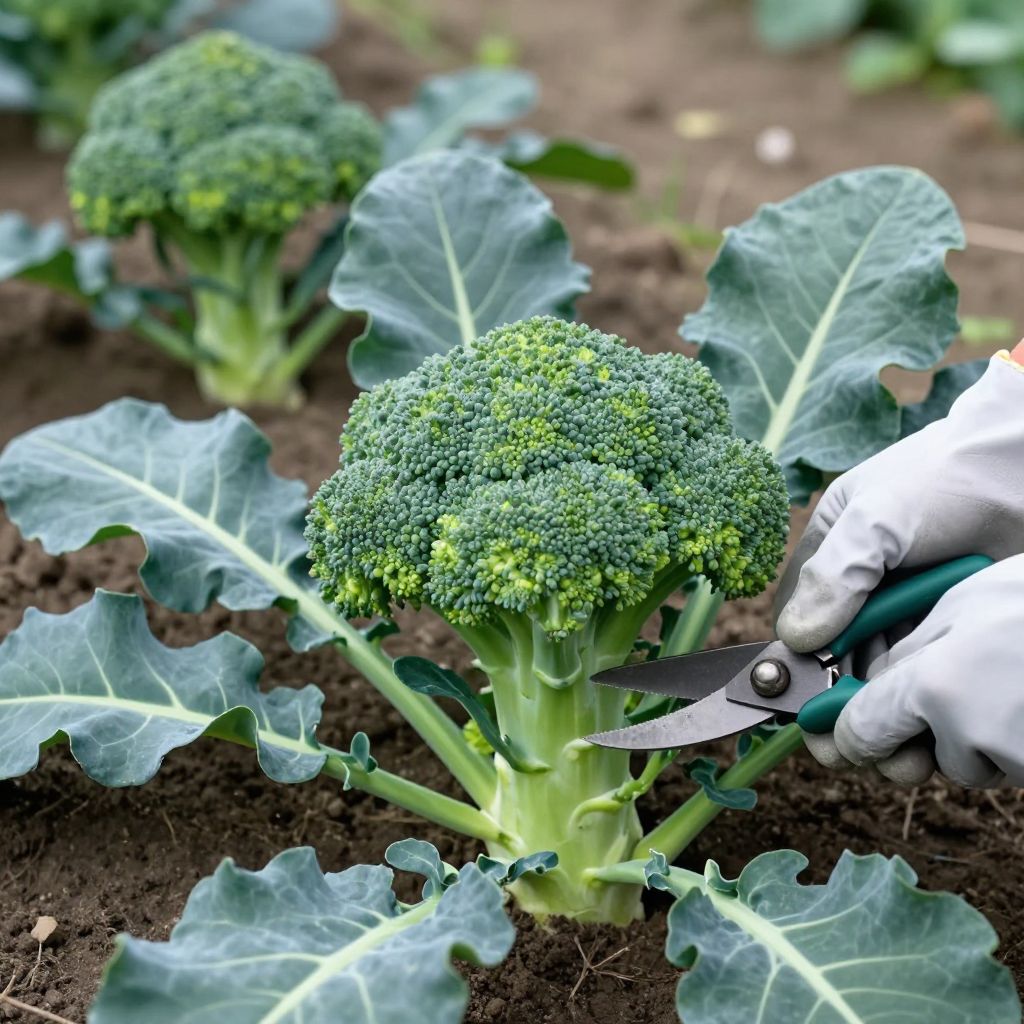
Wondering when to pick broccoli so it tastes sweet instead of bitter or tough? The answer depends on the head’s size, tightness, and the weather, not just the calendar. Broccoli is best harvested when the central head is firm, compact, and fully formed but before the buds begin to loosen or flower.
Pick it too early and you lose yield; wait too long and the florets open, the texture turns coarse, and flavor declines. With a little practice, you can harvest at the right moment and often encourage smaller side shoots for a longer picking season.
When to Pick Broccoli?
Harvest broccoli when the main head is dark green, tight, and about 4 to 8 inches across for many home gardens, though size varies by variety. Cut it as soon as the buds look plump and compact, before any yellow petals show or the head starts to loosen. Morning harvest usually gives the best quality.
How to Tell Broccoli Is Ready
Broccoli does not ripen much after harvest, so visual cues matter more than waiting for a specific date. Check the plant every day or two once the head begins to fill out.
Signs the main head is ready
- Compact buds: The florets are tightly packed and still closed.
- Firm texture: The head feels dense, not airy or soft.
- Even color: Deep green is ideal for most types.
- No yellowing: Yellow flower petals mean you waited too long.
- Appropriate size: The head has reached the size typical for the variety, but size alone is not enough.
What overmature broccoli looks like
If the buds separate and the head looks fuzzy or loose, harvest immediately. Once yellow flowers begin opening, the stems often become woody and the flavor becomes stronger and less pleasant.
Seasonal Timing: What to Expect in Different Weather
Broccoli is a cool-season crop, and temperature strongly affects harvest timing. In mild weather, heads develop steadily; in heat, they may mature quickly or bolt. In cold snaps, growth slows, so the calendar can shift by days or even weeks.
Cool weather
Cool conditions usually produce the best-quality heads. Growth is slower, but the buds stay tight longer, giving you a wider harvest window.
Warm weather
When temperatures rise, broccoli can rush toward flowering. Check plants more often during warm spells, because a head that looked perfect yesterday may be overmature today.
Frost and light cold
Light frost can improve flavor in many gardens, but hard freezes may damage the head or slow growth. If a cold spell is coming and the head is nearly ready, it is often safer to harvest a little early than risk damage.
How to Harvest Broccoli the Right Way
Use a clean, sharp knife or garden snips. Cut the main stem 5 to 8 inches below the head, leaving enough stem and several healthy leaves on the plant.
- Inspect the head closely for tight buds and any yellowing.
- Choose a cool part of the day if possible, especially morning.
- Hold the plant steady and make a clean cut through the stem.
- Leave the root system and lower leaves in place if you want side shoots.
- Bring the harvest indoors promptly and cool it soon after picking.
Do not yank the head off by hand. A clean cut reduces damage to the plant and helps the remaining side shoots develop better.
Can You Harvest Broccoli More Than Once?
Yes, many broccoli plants produce smaller side shoots after the main head is removed. These side shoots are usually thinner, but they can extend your harvest for several weeks if the plant stays healthy and weather remains favorable.
Encouraging side shoots
- Leave the plant in the ground after cutting the main head.
- Keep watering evenly so the plant does not stall.
- Maintain good sunlight and airflow.
- Harvest side shoots while the florets are still tight.
Side shoots are smaller and may develop unevenly, so check plants regularly. If the weather turns hot, production often drops quickly.
Growing Conditions That Affect Harvest Timing
Broccoli grows best in fertile, well-drained soil with steady moisture and full sun. Stress from poor soil, drought, or crowding can delay heading or produce small, loose heads.
Soil and compost
Work in compost before planting to improve soil structure and nutrient availability. Broccoli prefers soil that holds moisture without staying soggy, because waterlogged roots can weaken growth and reduce head quality.
Sunlight
Give broccoli full sun for the strongest growth. In very hot climates, a little afternoon shade can help reduce stress and slow bolting, but too much shade often leads to smaller heads.
Watering
Keep the soil evenly moist, especially while heads are forming. Irregular watering can cause stress, uneven development, or a bitter taste. Mulch can help moderate moisture and soil temperature.
Common Mistakes When Deciding When to Pick Broccoli
Most harvesting problems come from waiting too long or checking too infrequently. Broccoli changes quickly once the head reaches maturity.
- Waiting for a huge head: Bigger is not always better; overgrown heads often become loose and coarse.
- Ignoring yellow buds: Even a few yellow petals mean the head is past peak quality.
- Harvesting too early every time: Very small heads reduce your total yield.
- Letting heat stress build: Warm weather can speed bolting and shorten the harvest window.
- Forgetting side shoots: Cutting the main head does not always end the crop.
Troubleshooting Poor-Quality Heads
If your broccoli heads are small, loose, or bitter, the issue is often linked to growing conditions rather than harvest timing alone. Fixing the cause can improve the next planting.
Small heads
Small heads may result from insufficient spacing, low fertility, shallow soil, drought, or transplant shock. Give plants enough room and steady care so they can build strong foliage before heading.
Loose or airy heads
Loose heads are often caused by heat, inconsistent moisture, or picking too late. Harvest promptly once the buds are tight and full.
Bitter flavor
Stress from heat, drought, or overmaturity can make broccoli taste stronger and less sweet. Harvesting at the right stage and keeping the plant evenly watered helps preserve better flavor.
How Often Should You Check Broccoli Near Harvest?
Once the center head starts to form, check plants every day or every other day. In warm weather, daily inspection is best because the harvest window can be very short.
If you are growing several plants, label them by planting date or variety so you know which ones are likely to mature first. That makes it easier to catch the ideal harvest stage.
Storing Broccoli After Picking
Broccoli keeps best when cooled quickly after harvest. If you leave it warm in the sun or in a hot car, quality drops fast.
- Rinse only if needed, then dry well.
- Store unwashed or lightly dried broccoli in the refrigerator.
- Use it sooner rather than later for the best texture and flavor.
Freshly cut stems and heads are most tender in the first few days after harvest, so plan to use or process them promptly.
Quick Harvest Checklist
- The head is tight and compact.
- The buds are still closed.
- No yellow flowers are showing.
- The head has reached a useful size for the variety.
- The weather is warming, and you do not want to miss the window.
When you are unsure, err on the side of harvesting a little early rather than too late. Broccoli is best when the buds are tight and the flavor is fresh, and picking at the right moment can also keep the plant producing side shoots. For more seasonal vegetable-growing guidance, you may also want to read about cool-season crop care and how to harvest vegetables at peak quality.