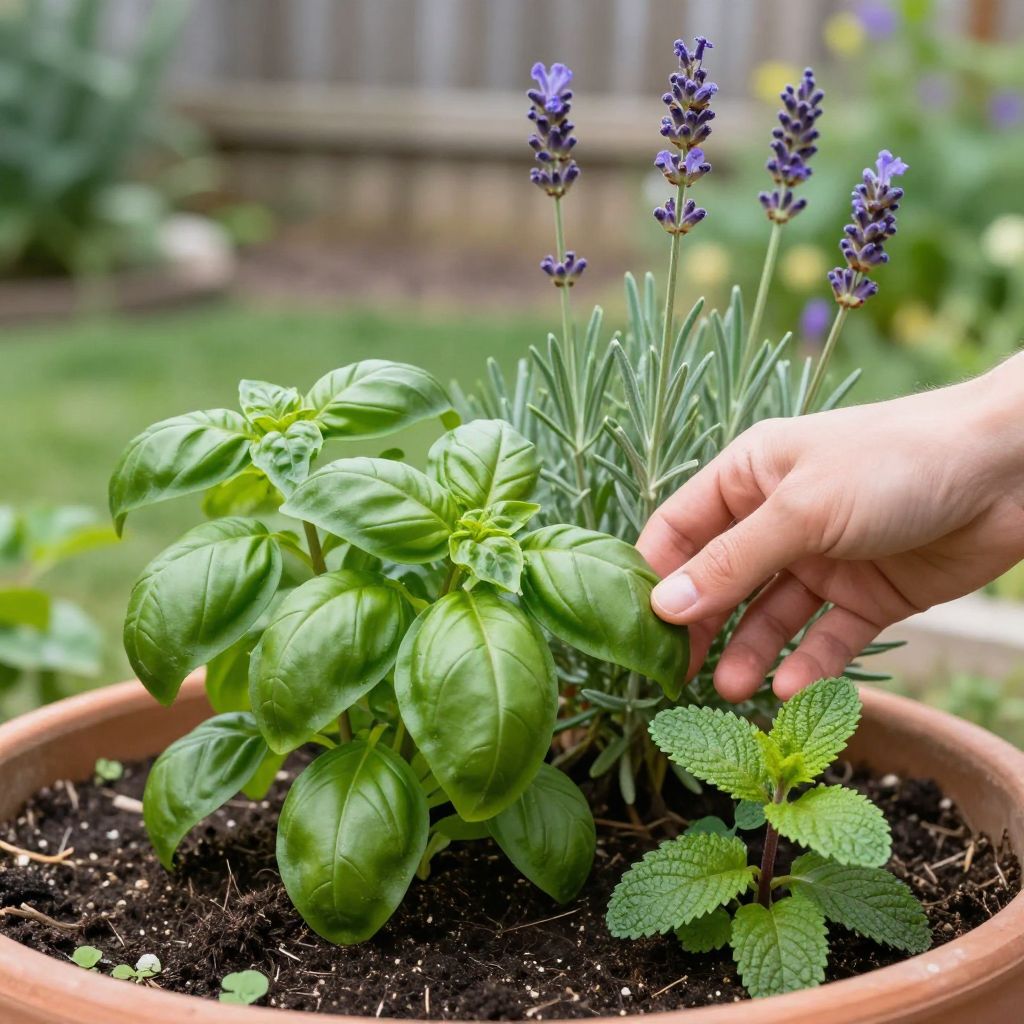
Trying to figure out what plants repel flies around patios, doors, and outdoor seating? The right aromatic herbs and flowering plants can help make your garden less appealing to flies, especially when you place them where people gather and where air moves through the foliage.
They are not a magic cure, but they can be a useful part of a broader fly-control plan. For the best results, choose healthy, strongly scented plants, grow them in the right conditions, and combine them with good sanitation and drainage.
What plants repel flies?
Plants that may help repel flies include basil, mint, lavender, rosemary, thyme, lemon balm, marigolds, and scented geraniums. Their foliage or flowers release strong natural aromas that can discourage flies from lingering nearby, especially when the leaves are brushed or warmed by the sun.
Best fly-repelling plants for home gardens
Herbs with strong scent
- Basil (Ocimum basilicum) — useful in pots near doors, kitchens, and outdoor tables.
- Mint (Mentha species) — very aromatic, but best kept in containers because it spreads aggressively.
- Rosemary (Salvia rosmarinus) — woody, drought-tolerant once established, and strongly scented.
- Thyme (Thymus species) — low-growing and fragrant, ideal for edging and sunny beds.
- Lemon balm (Melissa officinalis) — lemon-scented and easy to grow, though it can also spread.
Flowers and foliage plants
- Marigolds (Tagetes species) — popular bedding plants with a pungent scent that some gardeners use near seating areas.
- Lavender (Lavandula species) — thrives in sun and well-drained soil, with aromatic flowers and foliage.
- Scented geraniums (Pelargonium species) — especially useful in containers where you can brush the leaves and release fragrance.
These plants work best when their scent is noticeable. If they are crowded, under-watered, shaded too heavily, or neglected, they usually produce less fragrance and have less effect.
How to use fly-repelling plants effectively
Place these plants where flies are most annoying: near patios, trash bins, compost areas, outdoor dining spaces, and entryways. The goal is not to create a barrier, but to build pockets of scent where flies are likely to land or hover.
- Group several scented plants together instead of planting only one.
- Put pots at nose level on tables, stands, steps, or window boxes when possible.
- Choose sunny spots for most herbs and lavender so the foliage stays aromatic.
- Brush the leaves lightly when you pass by to release more scent.
- Keep the area clean so flies are not attracted by food scraps, standing water, or overripe fruit.
Important: plants alone will rarely solve a fly problem if there is a breeding source nearby. If you have flies around compost, pet waste, drains, or garbage, address that first.
Planting conditions that help these plants perform well
Sunlight
Most of the best fly-repelling plants prefer full sun, meaning at least 6 hours of direct light a day. Lavender, rosemary, thyme, marigolds, and basil all tend to be more fragrant and compact in bright conditions.
Mint and lemon balm tolerate partial shade, but they still need enough light to grow vigorously. In deep shade, many of these plants become leggy and less aromatic.
Soil and drainage
Good drainage matters more than rich soil for many of these plants. Lavender, rosemary, and thyme especially dislike soggy roots, so plant them in loose soil that drains freely.
If your garden soil is heavy clay, improve it with compost and plant on a slight mound or in raised beds. For containers, use a high-quality potting mix rather than garden soil, and make sure pots have drainage holes.
Compost and fertility
A modest amount of compost helps most herbs and flowers establish well. Too much fertilizer, especially nitrogen, can produce soft, leafy growth with weaker scent and fewer flowers.
For container plants, refresh the top layer of mix with compost or repot as needed rather than feeding heavily. A balanced, light approach usually works better than pushing fast growth.
How to care for fly-repelling herbs and flowers
Watering
Water newly planted herbs and flowers regularly until they establish, then adjust based on weather, soil, and container size. The top inch or two of soil should dry slightly between waterings for many of these plants.
Lavender, rosemary, and thyme prefer to dry out more between waterings. Basil, mint, and lemon balm usually need more consistent moisture, especially in pots or hot weather.
Common mistake: overwatering fragrant plants in containers. Wet roots can weaken growth and reduce the plant’s scent, while also inviting root rot.
Pruning and harvesting
Regular trimming helps many of these plants stay bushy and fragrant. Snip basil tips often, pinch mint and lemon balm to prevent legginess, and lightly shear lavender after flowering if needed.
For rosemary and thyme, remove only the soft tips or lightly shape the plant. Avoid cutting too far into old woody stems, because recovery can be slow.
Harvesting leaves for cooking can also help keep herbs compact. The more actively the plant grows, the more fresh foliage it produces.
Container care
Containers are often the easiest way to use what plants repel flies around outdoor living spaces. They let you move plants to the sunniest spot and place them exactly where you need them.
- Use pots at least 10–12 inches wide for basil, rosemary, thyme, or marigolds.
- Choose larger containers for mint and lemon balm so they do not dry out too quickly.
- Rotate pots occasionally so all sides get even light.
- Check drainage holes often so water does not collect at the bottom.
Indoor and outdoor use: what works best
Outdoor beds and patios
Outdoor plantings work best when flies are drawn in by nearby food or waste. Put scented plants around the perimeter of seating areas, along paths, and near doors rather than hiding them in the back of a bed.
Marigolds, lavender, rosemary, thyme, and basil are especially useful in sunny borders and containers. If your climate is cool or wet, choose plants that suit those conditions rather than forcing heat-loving herbs to struggle.
Indoor windowsills and kitchen spaces
Indoors, basil, mint, and scented geraniums can help near windows or kitchen sinks, but they still need strong light and good air circulation. A bright south- or west-facing window is often best.
Keep indoor pots away from constantly wet saucers. If flies are gathering indoors, also check for overripe fruit, damp trash, houseplant fungus gnats, and wet potting mix.
Common problems and how to fix them
Weak scent
If the plant smells faint or has little effect, it may not be getting enough sun, or it may be overfed and growing too lush. Move it to a brighter site and reduce heavy fertilizing.
Leggy growth
Leggy basil, mint, or lemon balm usually needs more light and more frequent pinching. Trim the stems back above a leaf node to encourage branching.
Root rot or yellowing leaves
This often points to poor drainage or overwatering. Improve the soil, reduce watering frequency, and make sure containers drain freely.
Invasive spread
Mint and lemon balm can spread quickly in beds. Keep them in pots or use a root barrier if you plant them in the ground, and divide or cut them back before they take over.
Pests and diseases
Even fly-repelling plants can get aphids, spider mites, powdery mildew, or leaf spots. Good spacing, air circulation, and prompt removal of damaged leaves help prevent most problems.
If you grow basil, watch for cold nights and fungal issues in humid weather. If you grow lavender or rosemary, avoid dense, wet soil and overcrowding.
Seasonal tips for better results
In warm seasons, these plants usually grow fastest and release the most fragrance. That makes spring through late summer the best time to establish and use them around outdoor living spaces.
In cooler climates, treat basil as a warm-season annual and bring tender container plants indoors before frost if you want to keep them going. Lavender, rosemary, and thyme may survive winter outdoors in milder regions if drainage is excellent and the plant is suited to your climate.
In very hot weather, container plants may need more frequent watering and afternoon shade if leaves scorch. In rainy periods, focus on drainage, because soggy roots can quickly weaken scent and growth.
What to expect realistically
Fly-repelling plants can help reduce the number of flies nearby, but they will not eliminate a serious infestation on their own. Their value is strongest when you use them as part of a layered approach: scented plants, clean surfaces, covered waste, dry drainage, and healthy garden maintenance.
If you want the easiest starting point, plant basil and marigolds in sunny containers near your seating area, add a pot of mint or rosemary nearby, and keep the area clean. That simple setup gives you fragrance, useful herbs, and a more pleasant garden space.
For more practical garden planning, you may also want to read about herbs for containers and how to improve garden drainage.