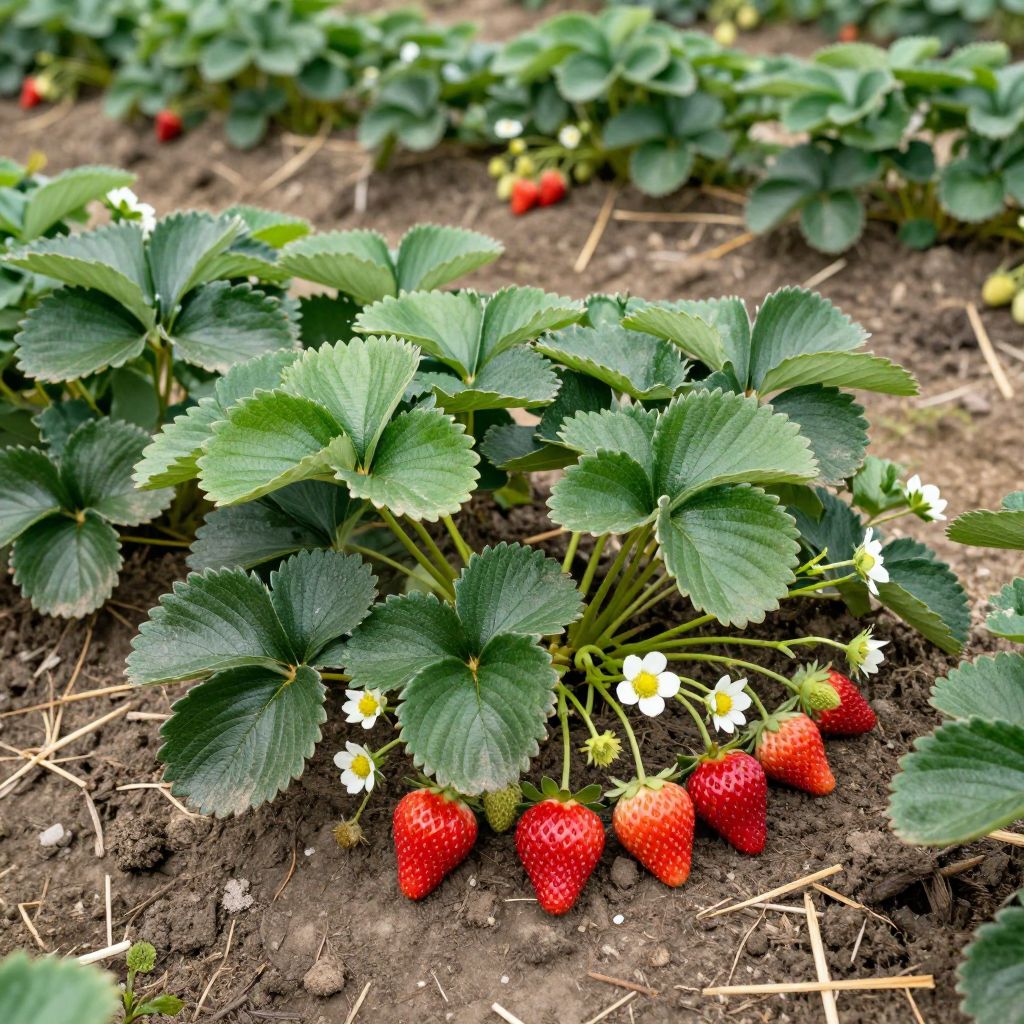
Are strawberries perennial? Yes—strawberry plants are perennial in many gardens, which means they can live and produce fruit for more than one year. The catch is that their productivity usually declines after a few seasons, so good care, renewal, and variety choice matter.
If you want a strawberry patch that keeps coming back, it helps to understand how the plants grow, when they fruit best, and how to maintain them for healthy harvests. With the right soil, sun, and simple maintenance, strawberries can be a rewarding long-term crop.
Are strawberries perennial?
Strawberries are generally perennial plants, especially in outdoor gardens where winters are not too harsh for the crown and roots. They regrow each spring from the crown, then flower and fruit again, but many home gardeners replace or renovate plants every 2 to 4 years for the best harvests.
How strawberry plants behave year after year
Strawberries do not act like shrubs or trees that steadily get larger for decades. Instead, the crown stays low to the ground, sends out leaves and runners, and can survive through dormant periods if conditions are suitable.
What “perennial” means for strawberries
- They survive multiple growing seasons when planted in the right climate and soil.
- They often go dormant in cold weather and resume growth in spring.
- Older plants usually produce fewer or smaller berries over time.
Why some gardeners think strawberries are annuals
In some regions, strawberries are grown as short-lived crops because heat, disease, or winter damage reduces plant vigor. Also, many gardeners replant frequently to keep yields high, which can make strawberries seem annual even though they are not.
Best growing conditions for perennial strawberry plants
To keep strawberries productive, give them conditions that support strong crowns, healthy roots, and reliable flowering. They are not difficult, but they do need the basics done well.
Sunlight
Strawberries grow best in full sun, usually at least 6 to 8 hours daily. In cooler climates, more sun helps ripen fruit well. In very hot climates, light afternoon shade can reduce stress and sunscald.
Soil
Use fertile, well-drained soil with plenty of organic matter. Strawberries dislike soggy ground, which can encourage root and crown rot.
- Loamy soil is ideal.
- Heavy clay should be amended with compost and improved drainage.
- Raised beds work well where drainage is poor.
Soil pH and compost
Strawberries prefer slightly acidic soil, typically around pH 5.5 to 6.5. Mix in compost before planting to improve structure and moisture retention, but avoid overdoing nitrogen-rich amendments that can push leafy growth at the expense of fruit.
Water
Consistent moisture is important, especially while plants are establishing and during flowering and fruiting. The soil should be evenly moist, not waterlogged. Drip irrigation or a soaker hose helps keep foliage drier and lowers disease risk.
How to plant strawberries so they return well
Good planting technique matters because the crown is sensitive. If it is buried too deep, it can rot; if it is too high, roots may dry out.
- Choose a sunny site with well-drained soil.
- Work in compost before planting.
- Set plants so the crown sits level with the soil surface.
- Space plants to allow airflow and room for runners, based on the type you grow.
- Water thoroughly after planting and mulch lightly to conserve moisture.
Common planting mistakes to avoid
- Planting too deep, which can smother the crown.
- Letting roots dry out before planting.
- Using poorly drained soil without improvement.
- Overcrowding plants, which increases disease and reduces fruit quality.
Do strawberries come back every spring?
In many gardens, yes. Healthy strawberry crowns usually survive winter and resume growth when temperatures warm. In colder climates, snow cover or mulch can help protect them, while in warmer climates they may stay semi-evergreen or continue growing with less dormancy.
Winter care for outdoor strawberries
Winter protection depends on your climate. In areas with freezing temperatures, a light mulch of straw or similar material can help protect crowns after the ground has cooled. Remove or pull back excess mulch in spring so new leaves can emerge and air can circulate.
When winter damage is more likely
- Plants are in exposed, windy sites.
- The soil drains poorly and stays wet into cold weather.
- Crowns are not mulched in regions with hard freezes.
- Plants are weak from disease, drought, or overcrowding.
How long do strawberry plants live?
Most strawberry plants remain productive for a few years, but the exact lifespan depends on variety, climate, disease pressure, and care. A healthy patch can persist longer, yet many gardeners notice best yields in the first two to three fruiting seasons.
Why productivity declines
As plants age, crowns can become crowded, runners spread the patch too densely, and soil-borne diseases build up. Fruit size may shrink, and the number of berries may drop. This is why renovation or replanting is part of normal strawberry maintenance.
Renovating an established strawberry bed
Renovation helps perennial strawberry beds stay productive. It is especially useful after the main harvest in established plantings, though the exact timing should match your local climate and the type of strawberry you grow.
- Remove dead leaves, old mulch, and diseased plant material.
- Thin crowded plants if the bed has become too dense.
- Keep the strongest young crowns and remove weak, damaged ones.
- Refresh the soil surface with compost if needed.
- Water well and restore mulch after the plants recover.
Runner management
Strawberries spread by runners, which form new plantlets. This is useful for propagation, but too many runners can drain energy from fruit production. If you want bigger harvests, trim extra runners. If you want new plants, root a few healthy runner plantlets in place or in small pots.
Propagation: making new plants from perennial strawberries
Because strawberries are perennial, you can often renew your patch by propagating from runners. This is one of the easiest ways to keep a strawberry bed going without buying new plants every year.
How to root runners
- Choose a healthy runner with a strong young plantlet.
- Pin the plantlet onto moist soil or a small pot filled with potting mix.
- Keep it watered until roots form.
- Cut the runner from the mother plant once the new plant is established.
Use only vigorous, disease-free parent plants. If the mother plant shows leaf spots, stunting, or crown rot, do not propagate from it.
Common pests and diseases that shorten strawberry life
Perennial strawberries can be long-lived, but pests and diseases often determine how long they stay productive. Good airflow, clean beds, and crop rotation help a lot.
Common problems
- Gray mold, which can affect blossoms and fruit in damp conditions.
- Leaf spot diseases that reduce vigor.
- Crown rot, often linked to wet soil and poor drainage.
- Slugs, birds, and other fruit pests.
- Spider mites or aphids in stressed plantings.
Practical prevention
- Water at the base instead of overhead when possible.
- Remove old, diseased leaves promptly.
- Keep rows or beds from becoming too crowded.
- Use mulch to keep fruit off the soil.
- Rotate strawberry beds if disease pressure is high.
Container growing and indoor considerations
Strawberries can be perennial in containers too, but pots dry out faster and roots are more exposed to temperature swings. Choose a large container with drainage holes and use a quality potting mix rather than garden soil.
Container care basics
- Place pots in full sun when outdoors.
- Check moisture often, especially in warm weather.
- Protect containers from hard freezes if your climate is cold.
- Refresh old potting mix and divide or replace crowded plants as needed.
If you are growing strawberries indoors or moving them in for winter, light is the main challenge. They need very bright light to stay healthy and productive, so indoor growing is usually better for overwintering or small harvests than for full-season fruit production.
When to replace strawberry plants
Even though strawberries are perennial, replacement is sometimes the smartest choice. If your plants are repeatedly diseased, weak, or poorly producing despite good care, starting fresh can save time and improve harvest quality.
Signs it may be time to replant
- Fruit size has noticeably declined.
- Plants are crowded with too many old crowns.
- Disease symptoms keep returning.
- The bed has poor drainage that is hard to correct.
- Yields are low even after renovation and feeding with compost.
Simple care checklist for perennial strawberries
Use this quick routine to keep your strawberry patch healthy year after year:
- Give plants full sun and well-drained soil.
- Keep the crown at soil level when planting.
- Water consistently, especially during flowering and fruiting.
- Mulch to reduce weeds and keep berries clean.
- Remove diseased leaves and excess runners.
- Renovate crowded beds after harvest when appropriate.
- Replace tired or diseased plants when needed.
Conclusion
So, are strawberries perennial? Yes, and that is what makes them such a useful home garden crop. They can return for several seasons if you give them sun, drainage, moisture, and regular renewal.
Start by checking your strawberry bed for crowding, poor drainage, or old runners, then decide whether it needs simple renovation or a fresh planting. If you want to keep learning, you may also find it helpful to read about growing strawberries indoors.