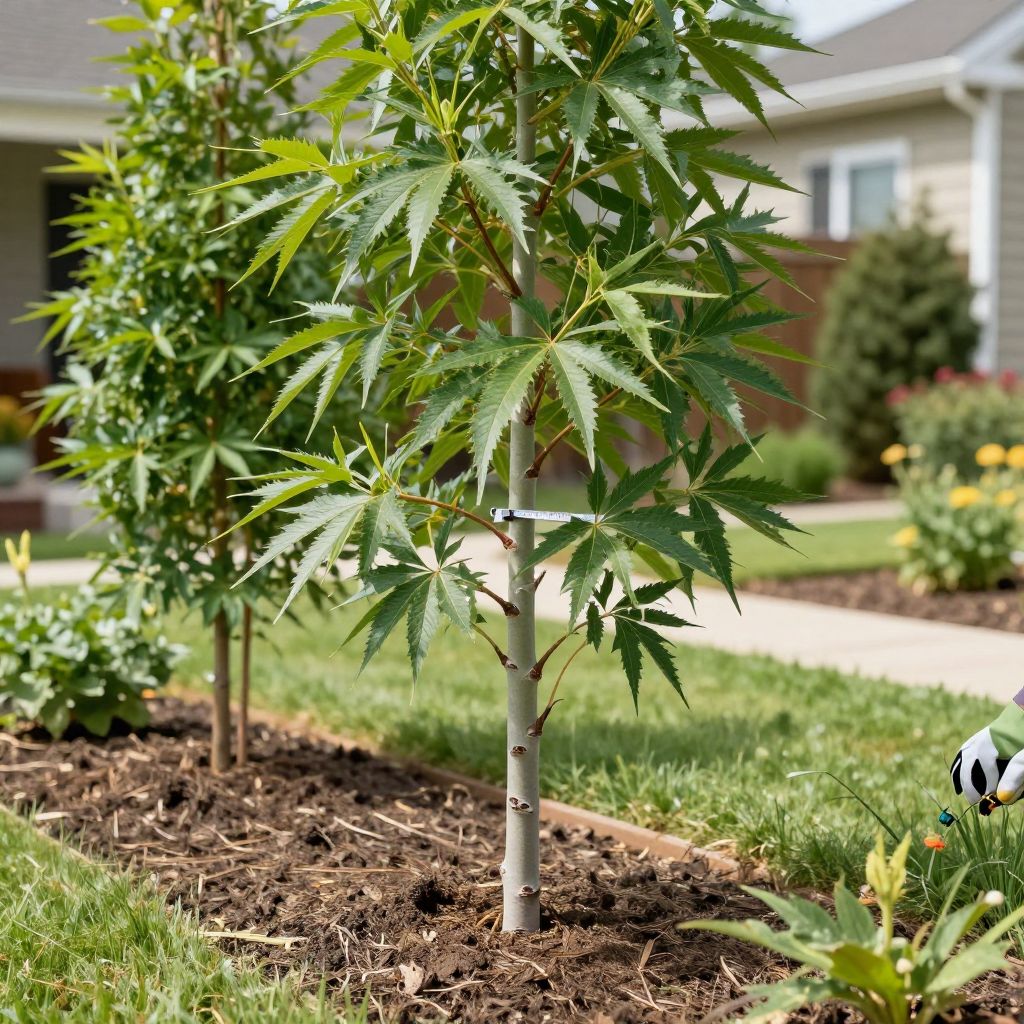
Wondering what is the fastest growing tree for your yard? The short answer is that several trees can grow very quickly, but the “fastest” choice depends on your climate, soil, space, and what you want the tree to do. Some species add several feet a year when young, especially in full sun and moist, well-drained soil.
If you want quick shade, privacy, wind protection, or a fast screen, the best tree is the one that grows rapidly and fits your site. A fast grower that struggles in your conditions will often disappoint, while a slightly slower tree in the right place will establish better and live longer.
What is the fastest growing tree?
Among commonly planted landscape trees, hybrid poplars are often among the fastest growing, with some types adding 5 feet or more per year in ideal conditions. Other quick growers include willows, silver maple, river birch, and some eucalyptus species in warm climates. Fast growth usually comes with trade-offs in roots, breakage, or shorter lifespan.
How to identify a fast-growing tree
Fast-growing trees are not identified by one single trait. Instead, look for a combination of vigorous annual extension growth, broad leaves, flexible young stems, and a strong response to sun and moisture. Many fast growers are pioneer species, meaning they colonize open areas quickly after disturbance.
Common signs of rapid growth
- Long new shoots each season
- Large leaves that capture a lot of light
- Fast trunk thickening in young trees
- Quick canopy spread after planting
- Strong growth in full sun and fertile soil
Fast growth does not always mean best choice
A tree that grows quickly may also have weak wood, aggressive roots, messy litter, or a shorter life span. For example, a tree can be excellent for temporary shade but poor near foundations, patios, or sewer lines. Always match the tree to the space before you buy.
Best fast-growing trees for home gardens
The best tree depends on your climate and planting goal. Here are some of the most common fast-growing options gardeners consider, along with the situations where they make sense.
Hybrid poplar
Hybrid poplars are often chosen for very fast shade or screening. They can grow extremely quickly in moist, sunny sites, but they are not ideal for every yard because they may be short-lived and can have brittle branches in storms.
Willow
Willows grow quickly and like moist soil. They are useful near water or in damp areas, but their roots can be invasive, so keep them away from drains, septic systems, and small foundations.
River birch
River birch is a good fast-growing ornamental tree for many gardens. It handles moisture well and offers attractive bark, though it still needs enough space and consistent watering while establishing.
Silver maple
Silver maple grows fast and provides quick shade, but its wood can be weak and its roots can be troublesome in tight urban spaces. It is better for larger properties than small residential lots.
Tulip tree
Tulip tree, Liriodendron tulipifera, can grow quickly in the right conditions and develops a tall, elegant form. It prefers deep, well-drained soil and room to mature.
Some eucalyptus species
In mild, frost-free climates, certain eucalyptus trees are very fast growers. They are not suitable everywhere, so check local climate compatibility before planting.
What makes a tree grow fast?
Growth rate is driven by genetics and growing conditions. Even a naturally fast tree will slow down if the site is too dry, compacted, shaded, or nutrient-poor. The best results come from giving the tree what it needs during the first few years after planting.
- Sunlight: Most fast growers need full sun for strong, upright growth.
- Water: Young trees need regular moisture while roots establish.
- Soil: Loose, fertile, well-drained soil supports faster root and shoot growth.
- Space: Crowding slows canopy development and can weaken form.
- Climate match: A tree outside its preferred climate will grow slowly or fail.
How to plant a fast-growing tree correctly
Planting matters as much as species selection. A tree planted too deep, too close to hardscape, or in poor soil may never reach its potential. Good planting gives the roots oxygen, moisture, and room to spread.
- Choose a site with enough mature width and height clearance.
- Dig a hole only as deep as the root ball, but 2 to 3 times as wide.
- Set the tree so the root flare sits at or slightly above soil level.
- Backfill with the native soil unless it is severely damaged or compacted.
- Water thoroughly to settle the soil around the roots.
- Mulch with 2 to 4 inches of wood chips, keeping mulch away from the trunk.
Why planting depth matters
Burying the trunk flare can lead to rot, poor root development, and slow decline. If you cannot see the flare, remove soil or excess nursery media until the top roots are visible.
Watering and feeding for faster establishment
Fast-growing trees usually need steady moisture during establishment, especially in the first one to three growing seasons. The goal is deep, infrequent watering rather than light daily sprinkling, which encourages shallow roots.
Watering tips
- Water deeply when the top few inches of soil begin to dry.
- Check soil moisture with your finger or a small trowel.
- Water more often in sandy soil and during hot, windy weather.
- Reduce watering in cool, rainy periods to avoid soggy roots.
For feeding, use compost or a light, balanced organic amendment only if your soil needs it. Many trees do not need heavy fertilizing, and too much nitrogen can push soft, weak growth that breaks easily.
Pruning fast-growing trees the right way
Fast-growing trees often need early training pruning to build strong structure. If you wait too long, branches can become crowded, narrow crotch angles can form, and the tree may be more likely to split later.
What to remove early
- Dead, damaged, or crossing branches
- Competing leaders on young trees
- Low branches that interfere with paths or mowing
- Weakly attached limbs with narrow angles
Prune lightly and regularly rather than removing too much at once. Avoid topping, which creates weak regrowth and shortens the tree’s useful life.
Common problems with fast-growing trees
Rapid growth can create maintenance issues. Knowing the common downsides helps you choose wisely and avoid expensive mistakes later.
Weak wood and storm damage
Some fast growers break more easily in wind or ice. If your area gets storms, choose a species known for stronger branching and give it proper structural pruning when young.
Aggressive roots
Willows, poplars, and some maples can send roots into wet or compacted areas. Keep these trees well away from septic systems, pipes, retaining walls, and paved surfaces.
Short life span
Many very fast trees are temporary landscape solutions rather than long-term anchors. If you want a tree that will last for decades, consider whether moderate growth and better structure may be the smarter trade-off.
Pests and diseases
Fast-growing trees can be vulnerable to borers, leaf spots, cankers, and root problems if stressed. Healthy soil, proper spacing, and correct watering reduce risk more effectively than routine spraying.
How to choose the right fast-growing tree for your yard
Start with your goal. A tree for privacy has different needs than a tree for shade, ornament, or windbreak. Then check mature size, root behavior, and climate suitability before you buy.
- For quick shade: choose a large-canopy tree with strong branching.
- For privacy: choose an upright tree or narrow evergreen suited to your region.
- For small yards: avoid giant species, even if they grow fast.
- For wet sites: pick a moisture-tolerant species.
- For dry sites: choose drought-tolerant trees once established.
Practical mistakes to avoid
Many problems happen before the tree is even planted. Avoid these common errors if you want fast, healthy growth.
- Buying a tree only because it grows quickly
- Planting too deep
- Overwatering in heavy soil
- Using too much fertilizer
- Putting a large tree too close to buildings or utilities
- Skipping mulch or piling mulch against the trunk
- Ignoring mature size and root spread
When fast growth is the right choice
A fast-growing tree makes sense when you need quick shade, a temporary screen, erosion control, or a starter landscape that will be replaced later. It is especially useful on larger properties where root spread and mature size are not major constraints.
If you want a long-term specimen tree in a small yard, a slightly slower species with better structure and fewer problems may be the better investment. The fastest tree is not always the best tree.
Conclusion
If you are asking what is the fastest growing tree, hybrid poplar is one of the quickest, but the best choice depends on your site and goals. Before planting, check mature size, root behavior, and climate fit, then give the tree full sun, good drainage, and steady early care for the strongest results.
For more practical planting advice, see related reading on tree selection and care and planting and growing guides.